English
- English
- Español
- Português
- русский
- Français
- 日本語
- Deutsch
- tiếng Việt
- Italiano
- Nederlands
- ภาษาไทย
- Polski
- 한국어
- Svenska
- magyar
- Malay
- বাংলা ভাষার
- Dansk
- Suomi
- हिन्दी
- Pilipino
- Türkçe
- Gaeilge
- العربية
- Indonesia
- Norsk
- تمل
- český
- ελληνικά
- український
- Javanese
- فارسی
- தமிழ்
- తెలుగు
- नेपाली
- Burmese
- български
- ລາວ
- Latine
- Қазақша
- Euskal
- Azərbaycan
- Slovenský jazyk
- Македонски
- Lietuvos
- Eesti Keel
- Română
- Slovenski
- मराठी
- Srpski језик

How Single Door Wall Mounted Electrical Enclosure Supports Smart Building Growth
Smart buildings are changing how electrical distribution, lighting, heating, ventilation, access control, and energy monitoring systems are organized. As these functions become increasingly interconnected, the physical infrastructure supporting them must accommodate more control devices, communication interfaces, and electrical circuits within increasingly constrained building spaces. Electrical enclosures therefore remain an important part of smart building design, providing a defined location for electrical components while supporting equipment protection, maintenance access, and system organization.
Smart Building Development Is Reshaping Electrical Infrastructure
Modern building automation depends on coordination between systems that were traditionally designed and operated separately. Lighting controls, HVAC equipment, access control devices, fire safety interfaces, and energy management systems may exchange information through building management platforms. This integration increases the importance of clearly structured electrical installations, particularly in commercial buildings, offices, residential complexes, hospitals, and industrial facilities.
The transition does not simply involve adding more digital devices. It also requires careful consideration of power distribution, control wiring, equipment separation, heat dissipation, and access for inspection. Electrical components must be arranged so that installation teams can identify circuits, trace connections, and carry out maintenance without unnecessarily disrupting adjacent systems.

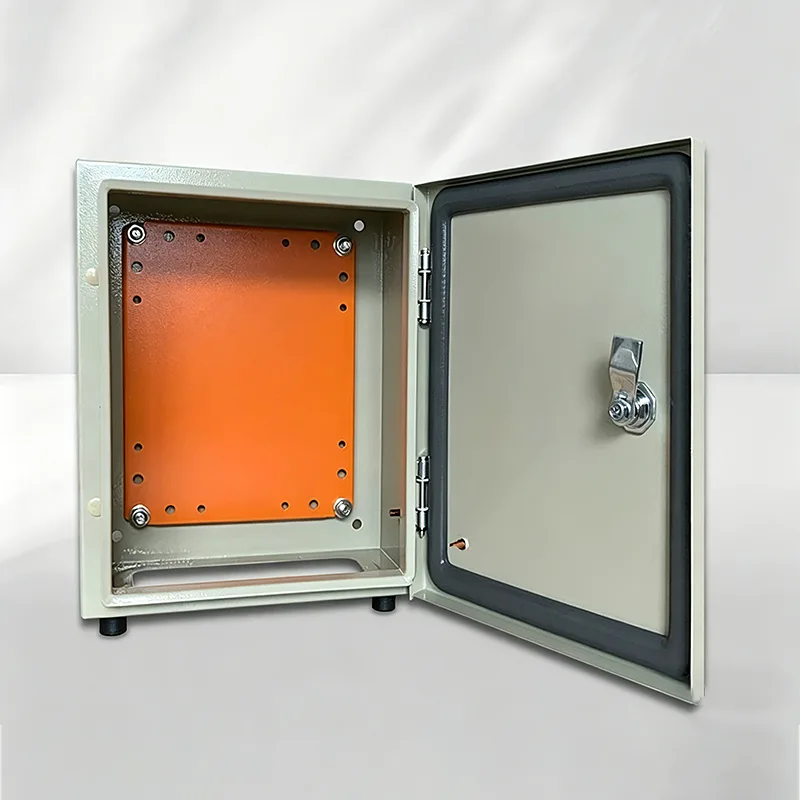
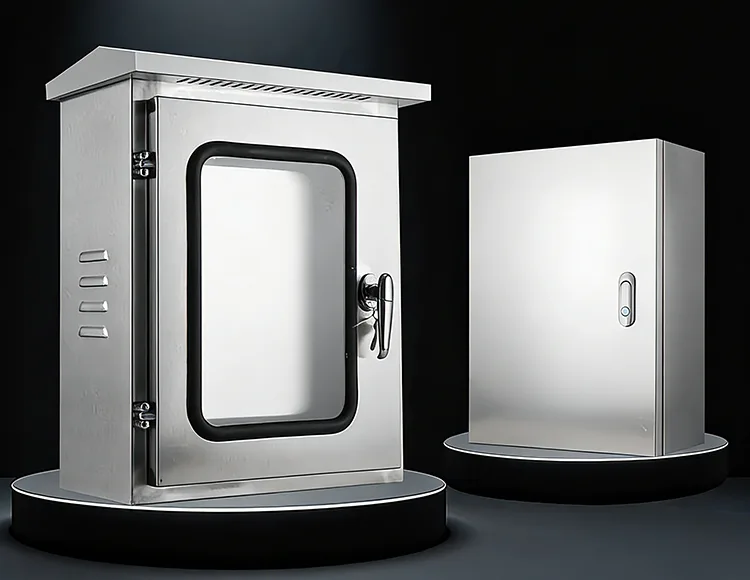
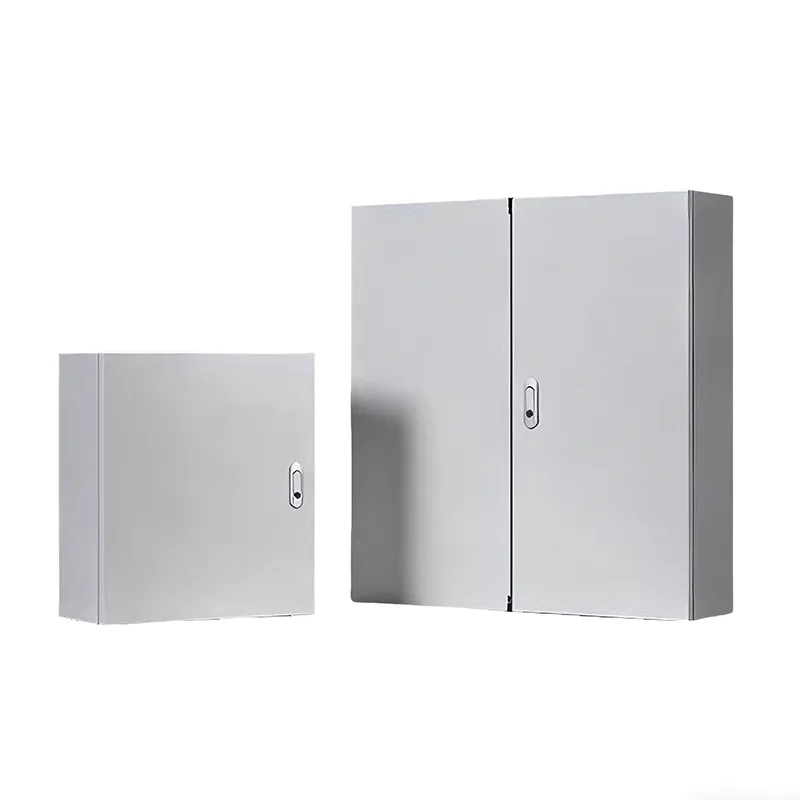
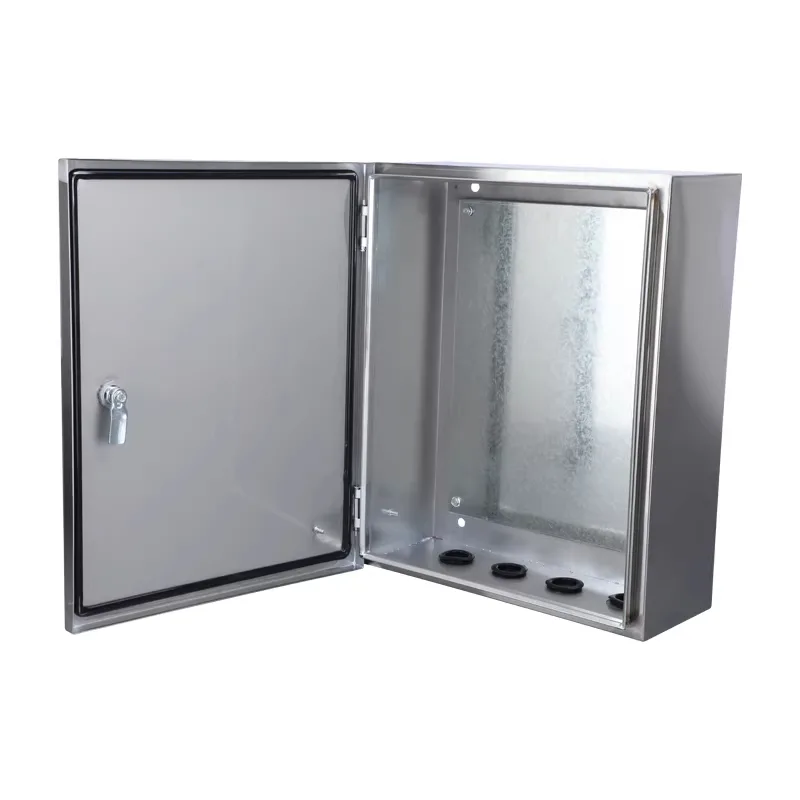
Within this context, the Single Door Wall Mounted Electrical Enclosure represents one practical enclosure format for installations where electrical or control equipment needs a dedicated, accessible housing without occupying valuable floor space. Its suitability depends on the equipment dimensions, installation environment, protection requirements, and planned system expansion.
Wall-Mounted Installation Addresses Space Constraints
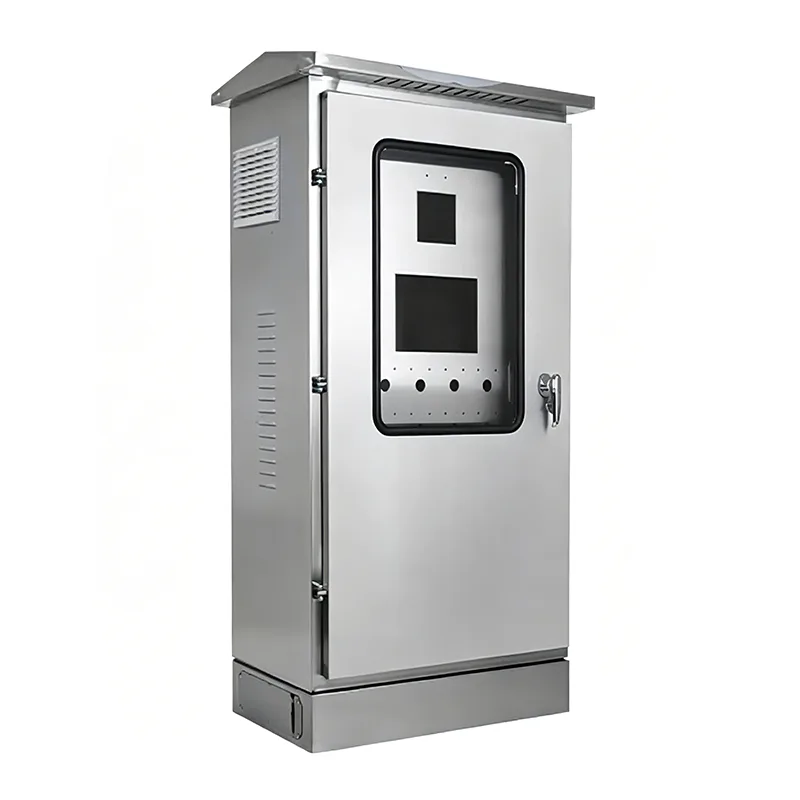
Space utilization is a recurring consideration in smart building projects. Electrical equipment may need to be installed in service corridors, equipment rooms, utility areas, plant rooms, and designated wall spaces near the systems it controls. Floor-standing cabinets can be appropriate for larger installations, but smaller distribution and control arrangements may benefit from wall-mounted construction.
Mounting an enclosure on a suitable wall can preserve floor space and establish a consistent location for electrical equipment. In buildings with multiple control zones, a distributed arrangement may also shorten certain wiring routes and make local inspection more convenient. These advantages are not automatic: cable routing, access clearances, structural support, and the need to reach internal components must be evaluated for each installation.
A single-door configuration provides a straightforward access point to the enclosed equipment. The opening direction, available working clearance, hinge arrangement, and door retention mechanism can influence how easily technicians inspect terminals, replace components, or verify circuit identification. These practical details become especially relevant where enclosures are installed in narrow service areas or alongside other building systems.
Equipment Protection Remains Central to Connected Buildings
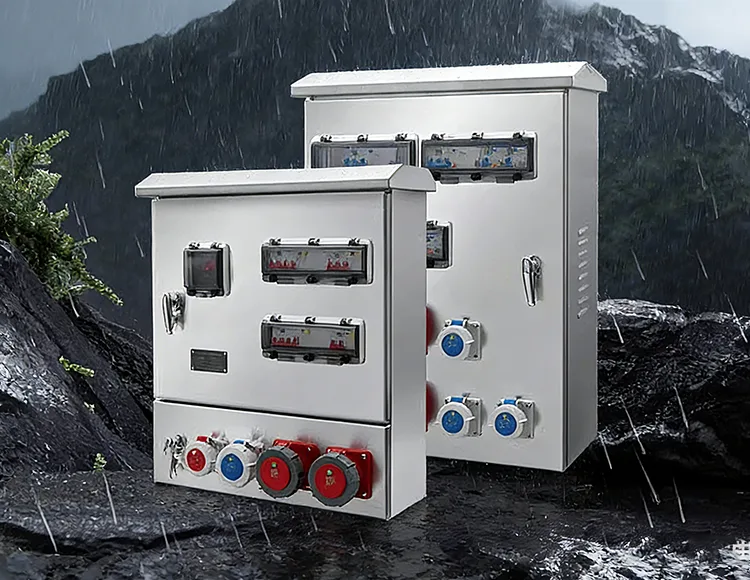
Connectivity does not reduce the need for physical protection. Controllers, relays, circuit protection devices, terminal blocks, power supplies, and communication components may be affected by dust, moisture, accidental contact, vibration, or temperature changes. An enclosure helps establish a physical boundary around these components, but the level of protection depends on its construction and verified environmental rating.
The enclosure material, door seal, cable-entry arrangement, mounting method, and ventilation design all influence suitability for a particular location. An installation in a clean indoor electrical room presents different conditions from one in a damp utility space, a dusty plant room, or an exposed outdoor area. The specified ingress protection rating should therefore correspond to actual site conditions rather than being assumed from the enclosure's appearance.
Thermal management is another important consideration. Smart building controls may combine several power supplies, switching devices, communication modules, and other heat-generating components in a limited volume. If heat cannot dissipate adequately, internal temperatures can rise and affect component performance or service life. Equipment loading, enclosure dimensions, ambient temperature, spacing, and ventilation provisions should be assessed together during design.
Integration Requires More Than Physical Housing
A smart building enclosure must accommodate the physical and electrical requirements of the devices installed inside it. Networked controllers may require communication cables, while switching equipment and power supplies need appropriately sized conductors and suitable terminal arrangements. Designers must account for cable bend radius, wiring ducts, conductor segregation, grounding, identification labels, and safe access to connection points.
The Single Door Wall Mounted Electrical Enclosure can provide a defined structure for organizing these elements, but the enclosure alone does not make an installation intelligent or compliant. Automation capability comes from the selected control devices, communication architecture, software, sensors, and integration with the wider building management system. The housing supports this arrangement by protecting and organizing its physical components.
Planning for future changes is equally important. Building systems may later incorporate additional occupancy sensors, energy meters, lighting circuits, or communication interfaces. Leaving appropriate internal space and providing a clear wiring layout can make modifications easier. However, expansion must remain within the enclosure's physical capacity, electrical ratings, thermal limits, and applicable safety requirements.
Standards and Verification Guide Enclosure Selection
Electrical safety and assembly verification should be considered alongside installation convenience. The IEC 61439 series addresses low-voltage switchgear and controlgear assemblies, including construction, technical characteristics, and verification requirements. IEC 61439-3:2024 specifically addresses distribution boards intended to be operated by ordinary persons within its defined scope. Whether a particular installation falls under these requirements depends on the equipment configuration and intended application.
An enclosure should not be described as compliant with an assembly standard solely because it is used to house electrical components. The complete assembly, its intended use, and the relevant verification requirements must be evaluated. Designers should also consider applicable local electrical codes, grounding arrangements, overcurrent protection, working clearances, and installation instructions.
For smart buildings, documentation is particularly useful because multiple systems may be installed, modified, and maintained by different technical teams. Clear circuit schedules, component labels, wiring diagrams, and maintenance records can reduce ambiguity during troubleshooting. Consistent documentation also helps distinguish electrical power circuits from low-voltage control and communication connections.
Maintenance and Lifecycle Planning Influence Design
Building automation equipment is expected to remain accessible throughout the operational life of a facility. Sensors may be added, controllers replaced, communication modules updated, and electrical connections inspected as systems evolve. An enclosure layout that supports clear identification and safe access can simplify these tasks, although maintenance outcomes also depend on installation quality and documentation.
The location of the enclosure should reflect both operational access and environmental exposure. Technicians need sufficient clearance to open the door and perform authorized work, while the installation must avoid obstructing emergency routes, equipment movement, or other building services. Cable entries should be arranged to limit unnecessary strain and preserve the intended level of environmental protection.
Lifecycle planning also involves selecting materials and finishes appropriate to the installation environment. Corrosion exposure, cleaning procedures, humidity, and potential mechanical impact can affect long-term suitability. For buildings with changing occupancy or control requirements, the ability to inspect and modify the internal arrangement may be as important as the initial installation footprint.
Compact Enclosures Have a Defined Role in Smart Building Growth
The expansion of building automation is increasing the importance of coordinated electrical infrastructure, from central distribution equipment to smaller control points serving individual zones. Wall-mounted enclosures can support this architecture where local equipment needs organized housing and convenient access, provided that the installation conditions and component requirements are suitable.
The Single Door Wall Mounted Electrical Enclosure is best understood as one element within a broader electrical design rather than a standalone smart building technology. Its practical value depends on appropriate sizing, protection ratings, thermal considerations, wiring organization, and compatibility with the installed equipment. As connected buildings continue to integrate power, control, and monitoring functions, these fundamental enclosure requirements remain closely linked to system safety, maintainability, and long-term operational flexibility.
Related News
- How Does a Single Door Wall Mounted Electrical Enclosure Improve Safety?
- Why Single Door Wall Mounted Electrical Enclosure Matters in Modern Power Distribution
- What Makes a Carbon Steel Distribution Box Enclosure Reliable for Modern Power Systems?
- How Does a Wall Mounted Metal Electrical Distribution Box Improve Electrical Safety?
- How Does a Stainless Steel Distribution Cabinet Improve Electrical Safety and System Performance?
- Why Stainless Steel Distribution Box Enclosure Is Essential for Reliable Power Distribution Systems?
Leave me a message
New Products
News Recommendations