English
- English
- Español
- Português
- русский
- Français
- 日本語
- Deutsch
- tiếng Việt
- Italiano
- Nederlands
- ภาษาไทย
- Polski
- 한국어
- Svenska
- magyar
- Malay
- বাংলা ভাষার
- Dansk
- Suomi
- हिन्दी
- Pilipino
- Türkçe
- Gaeilge
- العربية
- Indonesia
- Norsk
- تمل
- český
- ελληνικά
- український
- Javanese
- فارسی
- தமிழ்
- తెలుగు
- नेपाली
- Burmese
- български
- ລາວ
- Latine
- Қазақша
- Euskal
- Azərbaycan
- Slovenský jazyk
- Македонски
- Lietuvos
- Eesti Keel
- Română
- Slovenski
- मराठी
- Srpski језик

High and Low Voltage Switchgear Factory Direct
Still searching for a reliable manufacturer and supplier of High and Low Voltage Switchgear? Choose Shangming Electric from China. We provide professional products and services, support various non-standard customization requests, and offer tailored solutions for your specific project needs.
Product Categories
1. High-Voltage Switchgear
This category comprises equipment with a rated voltage ranging from 3 kV to 35 kV and above. Its primary function is to receive and distribute electrical energy; furthermore, in the event of a fault on a power line, it works in conjunction with relay protection devices to rapidly interrupt short-circuit currents reaching thousands of amperes.
Key Components:
High-voltage circuit breakers (vacuum or SF6 type): Serving as the core arc-extinguishing elements.
Disconnectors (Isolating switches): Providing a visible physical air gap to ensure safety during maintenance.
Current/Voltage Transformers: Stepping down high-voltage signals into low-voltage signals for instrumentation and measurement purposes.
Typical Models: KYN28 (Metal-clad withdrawable type), XGN (Fixed-type ring main unit).
2. Low-Voltage Switchgear
This category comprises equipment with a rated voltage of 1000 V or less. Its primary function is to manage the final-stage distribution within a power system. It distributes electrical energy—stepped down by transformers—to various floors, production lines, or power-driven equipment.
Key Components:
Air Circuit Breakers (ACBs): Used for main incoming lines or high-capacity outgoing lines.
Molded Case Circuit Breakers (MCCBs): Used for the protection of branch circuits.
Capacitor Compensation Cabinets: Used to improve the system's power factor and reduce electricity costs.
Typical Models: GGD (Fixed type), GCK/GCS/MNS (Withdrawable/Drawer type).
High-Voltage and Low-Voltage Series: A Comparison
|
Features |
High-Voltage (HV) Switchgear |
Low-Voltage (LV) Switchgear |
|
Voltage Range |
3 kV, 10 kV, 35 kV, etc. |
220V, 380V, 660V, etc. |
|
Insulation Requirements |
Extremely high voltage; requires careful consideration of air gaps and creepage distances for insulating components. |
Relatively low; primarily relies on air and molded-case insulation |
|
Operational Safety |
Enforced "Five-Prevention" Interlocking |
Equipped with mechanical and electrical interlocking |
|
Arc-extinguishing Medium |
Vacuum, SF6, and Insulating Oil |
Air |
|
Dimensions |
Massive Structure, Thicker Steel Plates |
Moderate size; highly modular structure |
Application Scenarios
Our High and Low Voltage Switchgear finds widespread application and may often be deployed simultaneously within a single setting to fulfill distinct functions. You can customize a complete solution tailored to your specific requirements.
|
Scenarios |
Functions of High-Voltage Switchgear |
Functions of Low-Voltage Switchgear |
|
PV/Wind Power Plants |
Collection Box → Step-up Substation → Grid Connection (10kV/35kV) |
Inverter AC Output Distribution; Station Service Power Distribution |
|
Data Centers |
10kV Incoming Feeder Panel, Transformer Protection |
UPS Input/Output Cabinets; IT Load PDU Distribution |
|
Factory Substations |
High-Voltage Incoming Feeder → Transformer → Bus Coupler |
Workshop Power Cabinets; Lighting Distribution Boxes; HVAC Control Cabinets |
|
Commercial Complexes |
Municipal 10kV Connection |
Floor-Level Main Power Distribution; Dedicated Circuits for Elevators and Water Pumps |
Common Faults and Troubleshooting Solutions
Shangming is a professional manufacturer providing comprehensive after-sales technical support services. Furthermore, accompanying the delivery of our products, we provide a complete set of inspection documentation as well as operation and maintenance guidelines. We have compiled a list of common issues below for your reference.
1. Common Issues with High-Voltage Switchgear
Symptom 1: Partial Discharge and Hissing Noises
Causes: Moisture ingress in insulation components; surface dust accumulation leading to creepage discharge; or corona discharge caused by burrs at busbar connection points.
Solutions:
1. Environmental Control: Verify that the heating and dehumidification units inside the cabinet are functioning correctly.
2. De-energized Cleaning: Wipe down insulators and bushings using anhydrous alcohol.
3. Ultrasonic Detection: Use a partial discharge detector during operation to pinpoint the exact location of the discharge source.
Symptom 2: High-Voltage Circuit Breaker Fails to Close or Open
Causes: Damaged energy-storage motor; burnt-out control circuit (closing/opening coils); or mechanical linkage seizure due to dried-out lubricant.
Solutions:
Secondary Circuit Inspection: Measure the resistance of the closing and opening coils, and ensure that the auxiliary power supply voltage is within the normal range.
Mechanical Lubrication: Reapply specialized low-temperature lubricant to the mechanical transmission components.
2. Common Issues with Low-Voltage Switchgear
Symptom 1: Abnormal Temperature Rise in Air Circuit Breakers (ACBs)
Causes: Insufficient contact pressure or oxidation at the primary plug-in contacts; loose busbar bolts.
Solutions:
Temperature Monitoring: Use an infrared thermal imager to scan the contacts and connection points.
Contact Maintenance: De-energize the system, withdraw the ACB, clean off any oxidation layers on the contacts, and apply electrical contact grease.
Symptom 2: Bulging or Ruptured Capacitors in Reactive Power Compensation Cabinets
Causes: Excessive harmonic content within the system; or overheating caused by frequent switching operations of the capacitors.
Solutions:
Capacitor Replacement: Promptly replace any bulging capacitors to prevent electrolyte leakage, which could lead to short circuits.
Installation of Series Reactors: Install series reactors within the compensation circuit to suppress harmonics.
3. General Faults
Symptom: Condensation—characterized by water droplets forming on the inner walls of the cabinet and flashover traces visible on the surfaces of insulation components.
Solution:
Sealing: The cable entry openings at the bottom of the cabinet must be completely sealed using fire-retardant putty to block moisture ingress from the cable trench.
Intelligent Upgrade: Install an automated temperature and humidity monitoring system paired with a condensation dehumidifier to replace traditional heating panels.
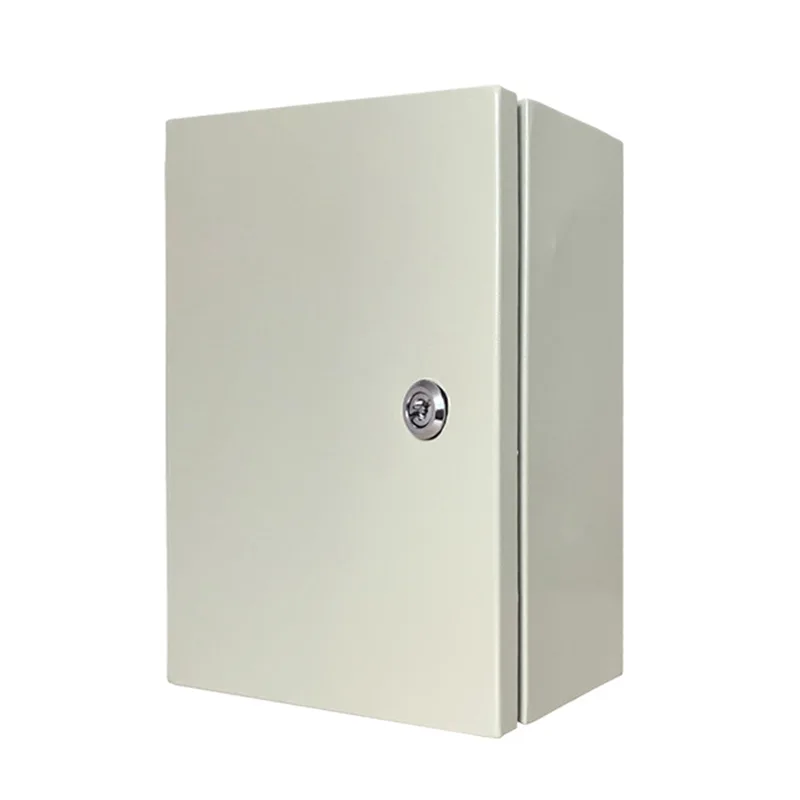
- View as
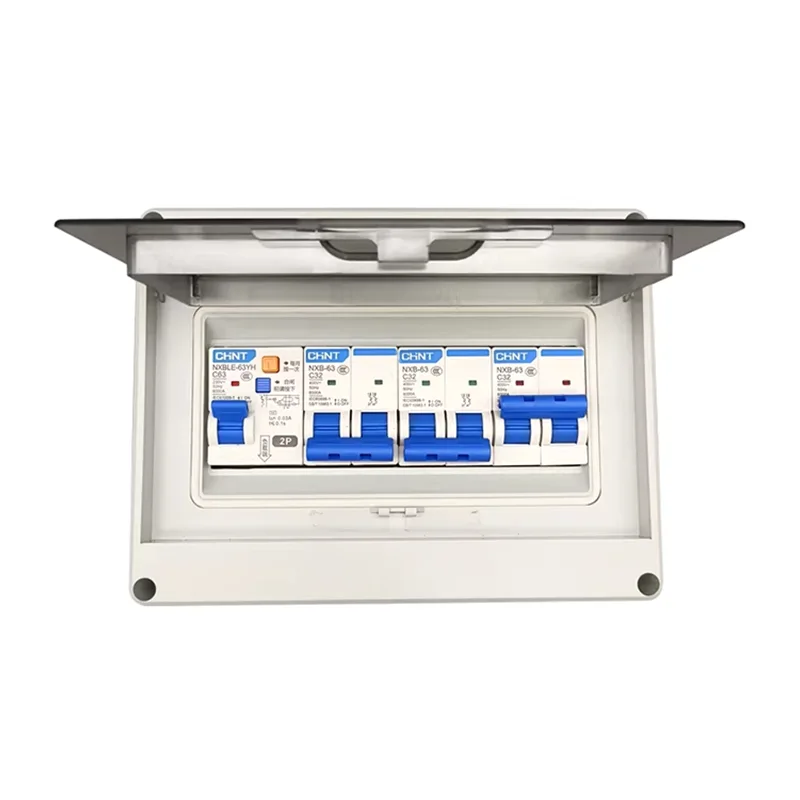
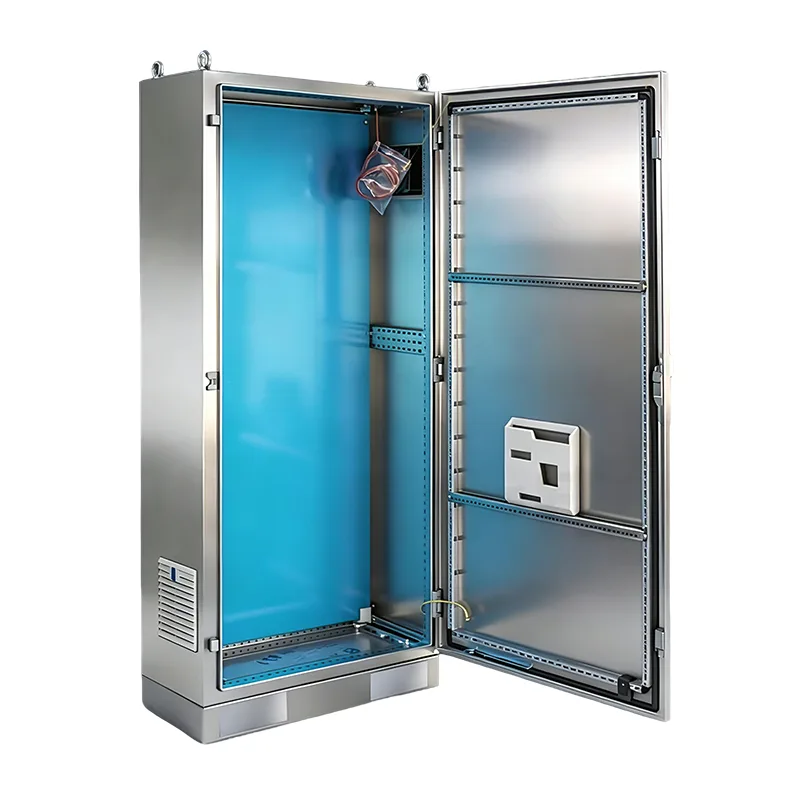
Air Circuit Breaker Distribution Box
Shangming is a trustworthy manufacturer of air circuit breaker distribution boxes from China. We have our own factory and can provide one-stop service and product solutions. This product centrally distributes, controls, and protects electrical energy, has strong system scalability, and is suitable for high current and main circuit applications.
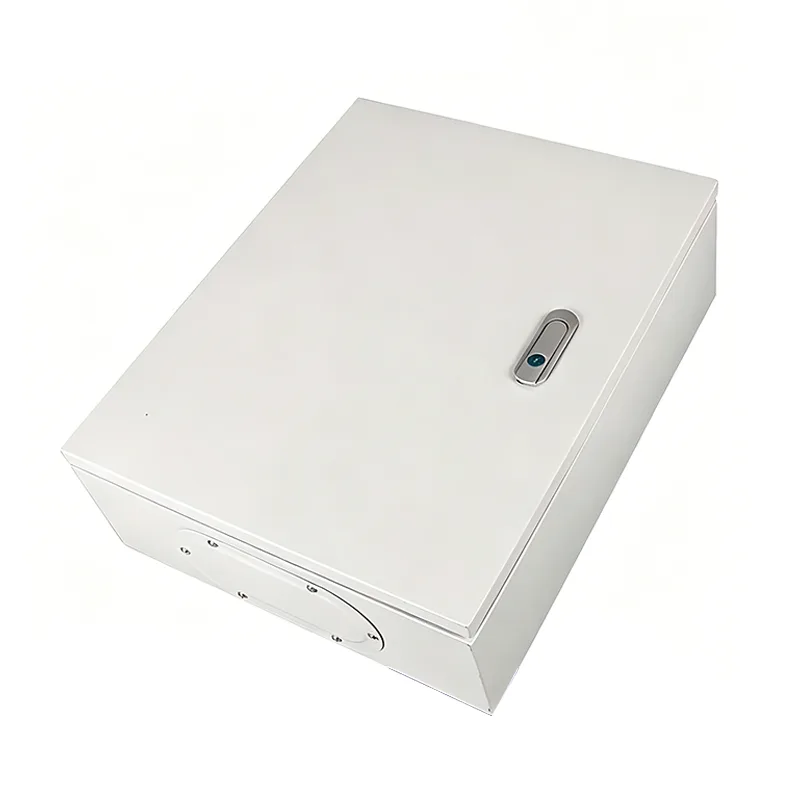
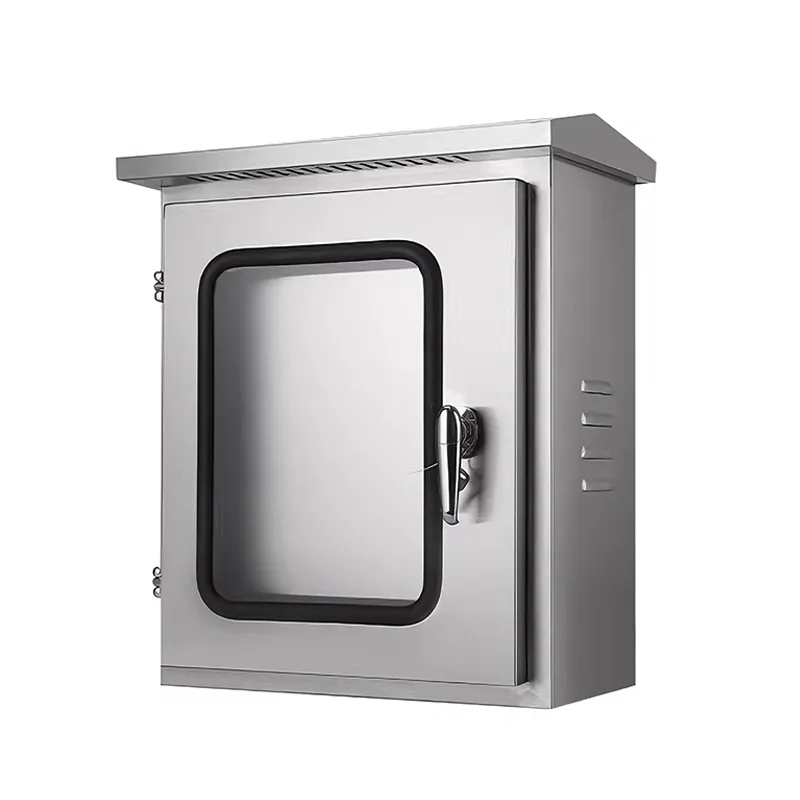
JXF Low-voltage Integrated Distribution Box
JXF low-voltage integrated distribution boxes are made of cold-rolled steel plate, bent and welded, with an epoxy resin electrostatic spraying treatment on the surface, making them aesthetically pleasing and durable. This is one of the product types that Shangming, as a manufacturer and supplier of distribution boxes, can offer to both new and existing customers. We have comprehensive R&D and customization capabilities; please feel free to send us your requirements.
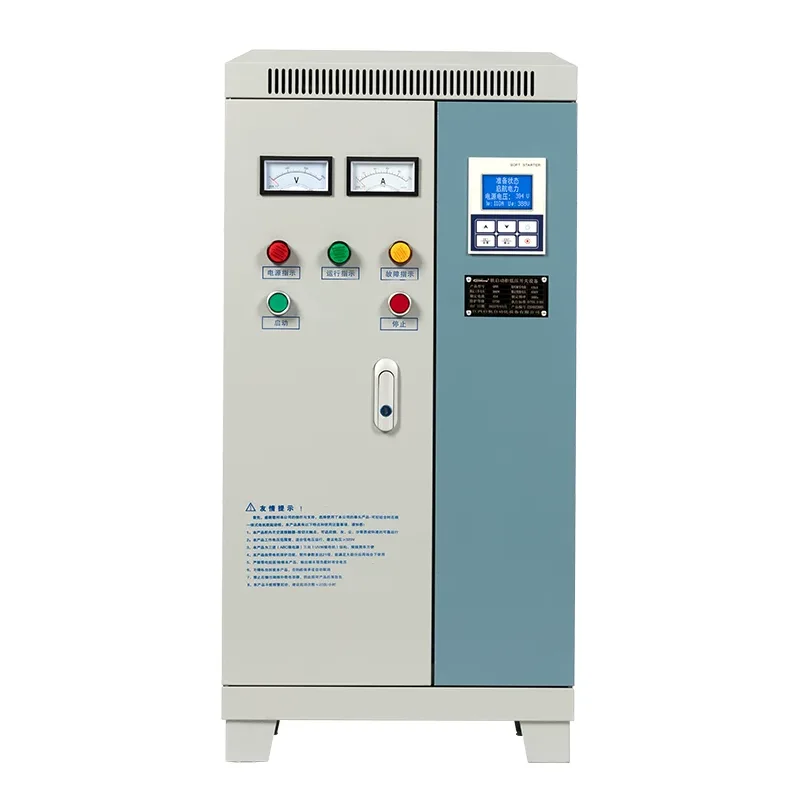
Low-Voltage Soft Starter Power Distribution Cabinet
Choosing Shangming means choosing a reliable manufacturer of Low-Voltage Soft Starter Power Distribution Cabinet. Our products are used to control the smooth start and stop of three-phase AC motors, while providing complete power distribution, protection, and monitoring functions. Contact us now for customized solutions and enjoy free technical consultation and quotations.
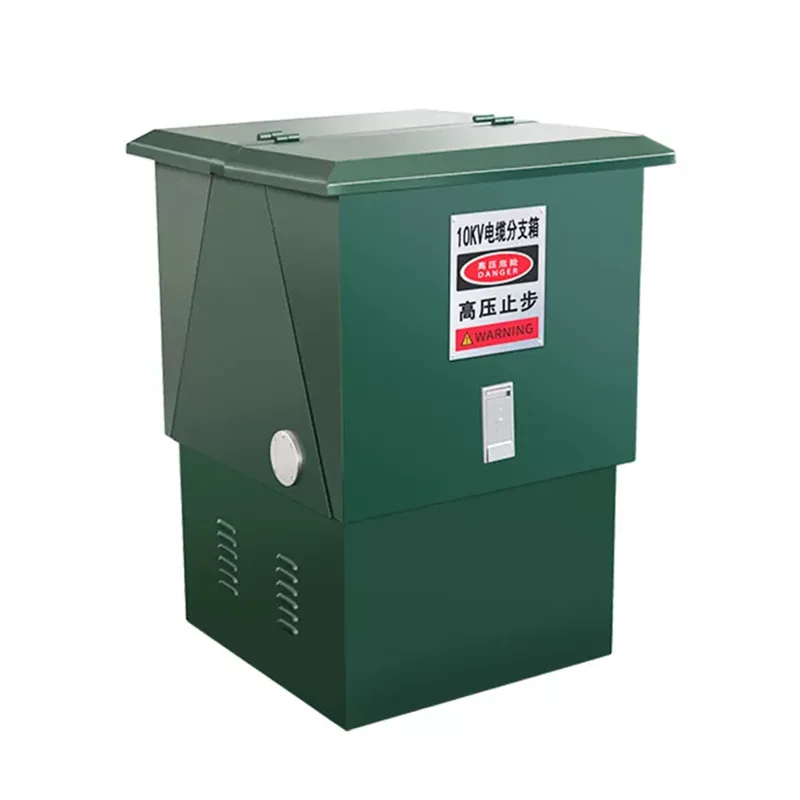
High Voltage Cable Branch Box
Welcome to purchase High Voltage Cable Branch Boxes from Shangming Electric. We have our own factory with a monthly production capacity of over 3,000 units. Our products are CE certified, and we provide one-stop services including technical consultation, customized solution design, on-site installation guidance, and lifetime technical support.
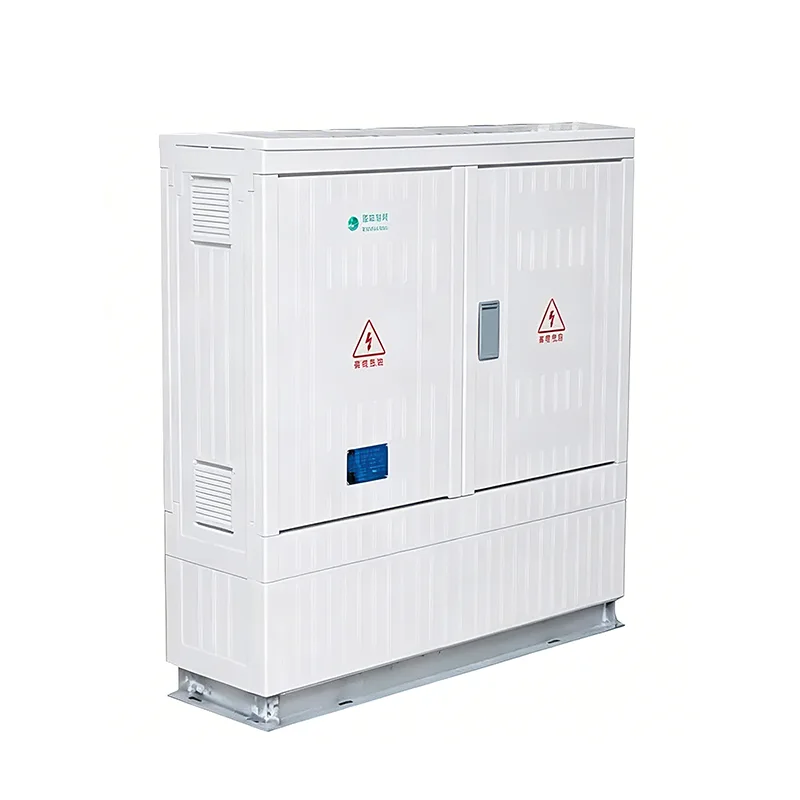
Low Voltage Cable Branch Box
Shangming, as a manufacturer and supplier of Low Voltage Cable Branch Boxes, can provide this power distribution auxiliary equipment to both new and existing customers, enabling safe and reliable electrical connections and distribution between main cables and multiple branch cables. We can provide samples, offer fast delivery, and are competitively priced.
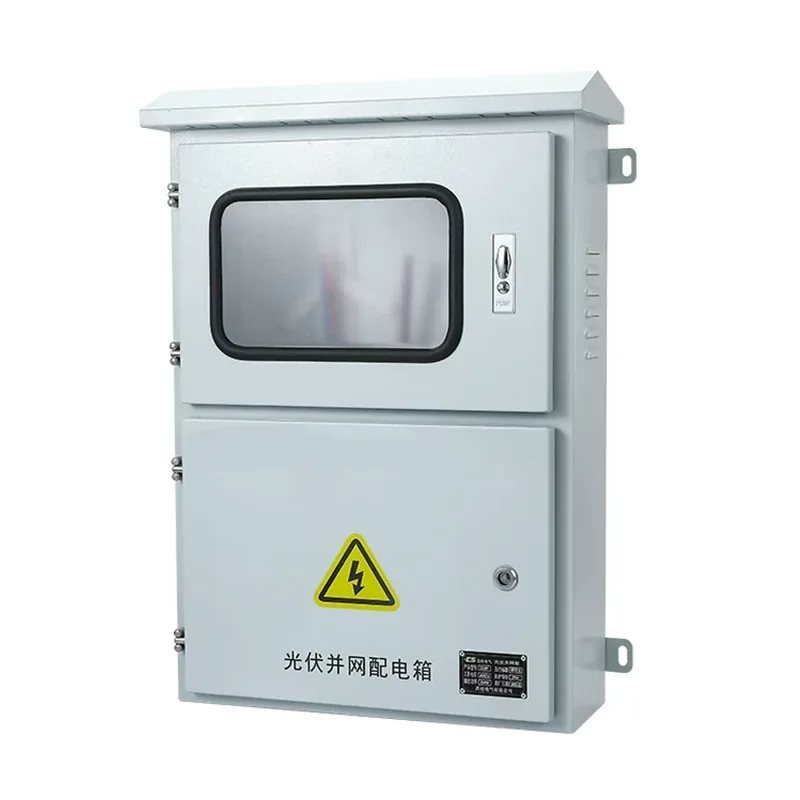
Outdoor Photovoltaic Grid-Connected Junction Box
Shangming's factory can design and manufacture outdoor photovoltaic grid-connected junction boxes, supporting bulk supply and providing samples upon request. This product is designed for the special needs of photovoltaic DC high voltage, high insulation, reverse connection protection, and surge protection, which are crucial for photovoltaic power plants. Choosing us means choosing high quality and high safety.
As a reliable High and Low Voltage Switchgear manufacturer and supplier in China, we have our factory. If you want to buy quality and durable products, please contact us.