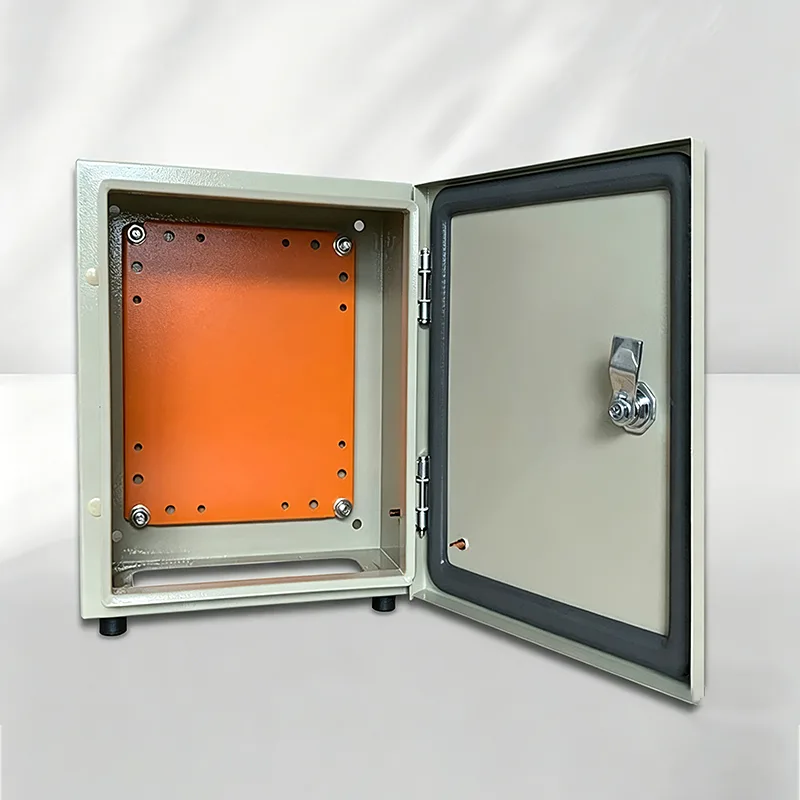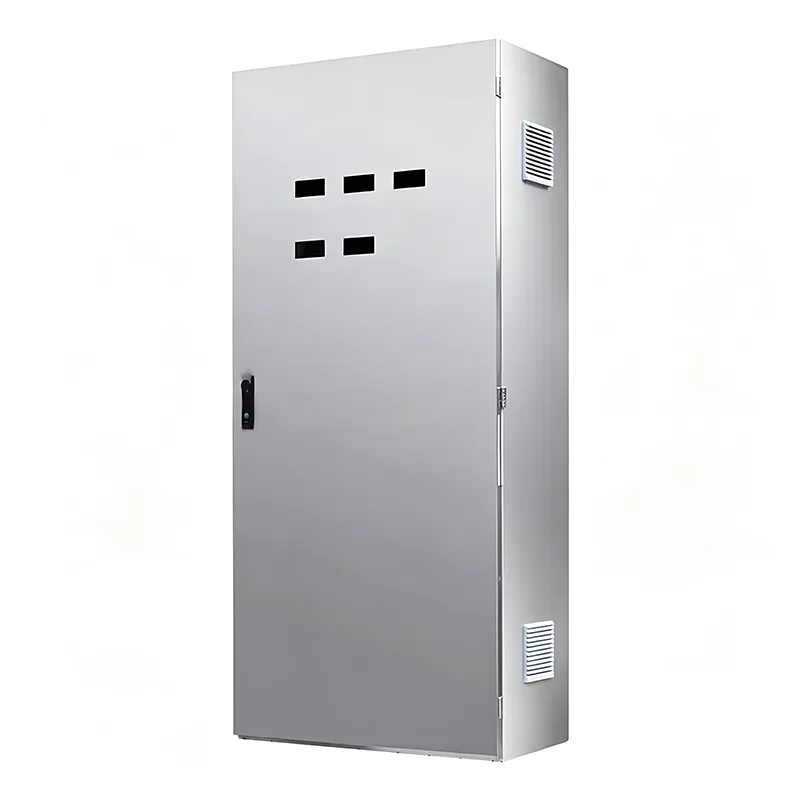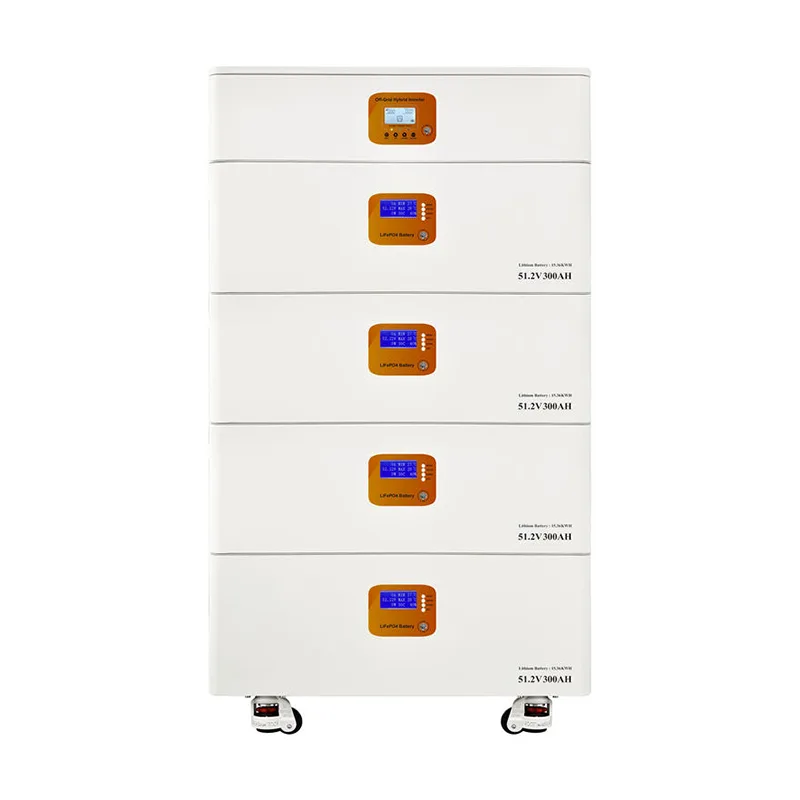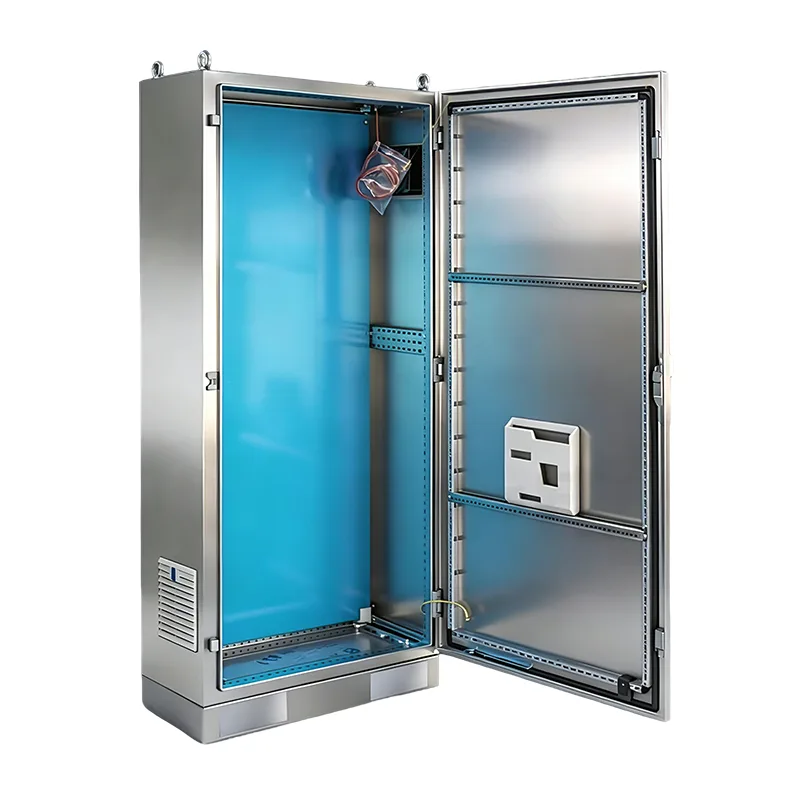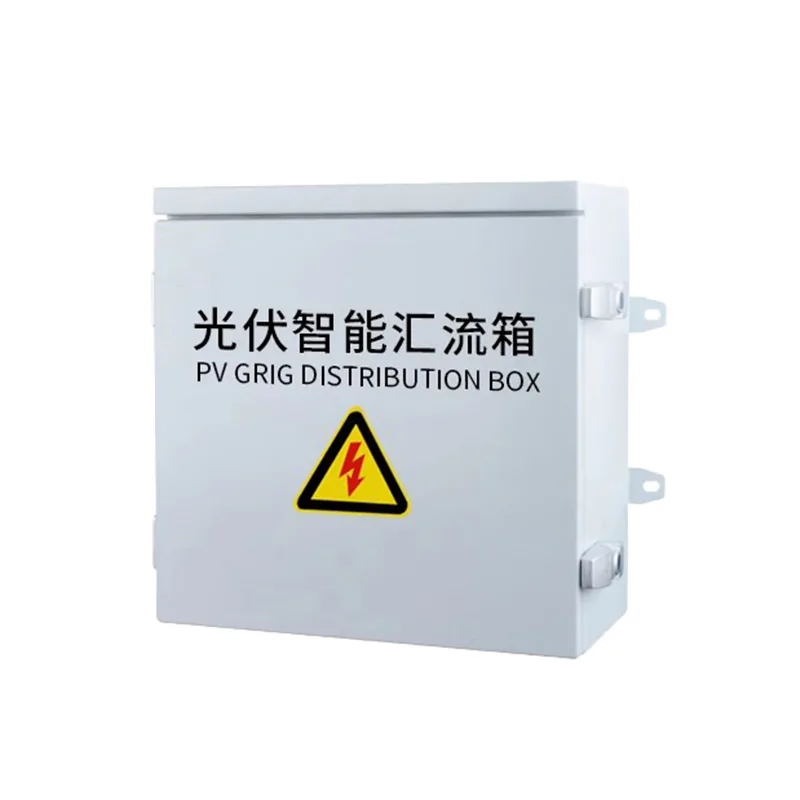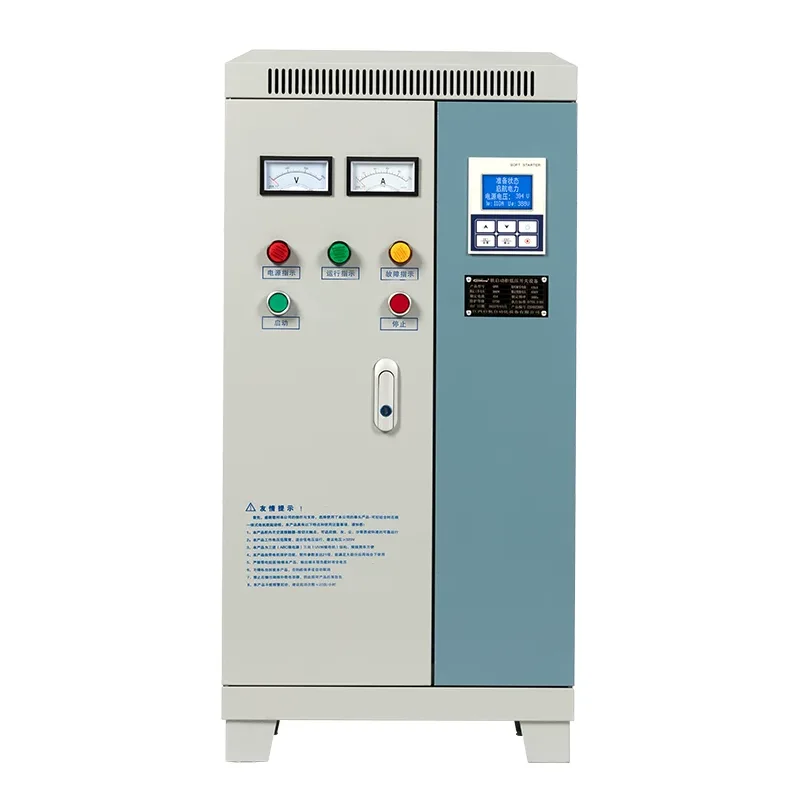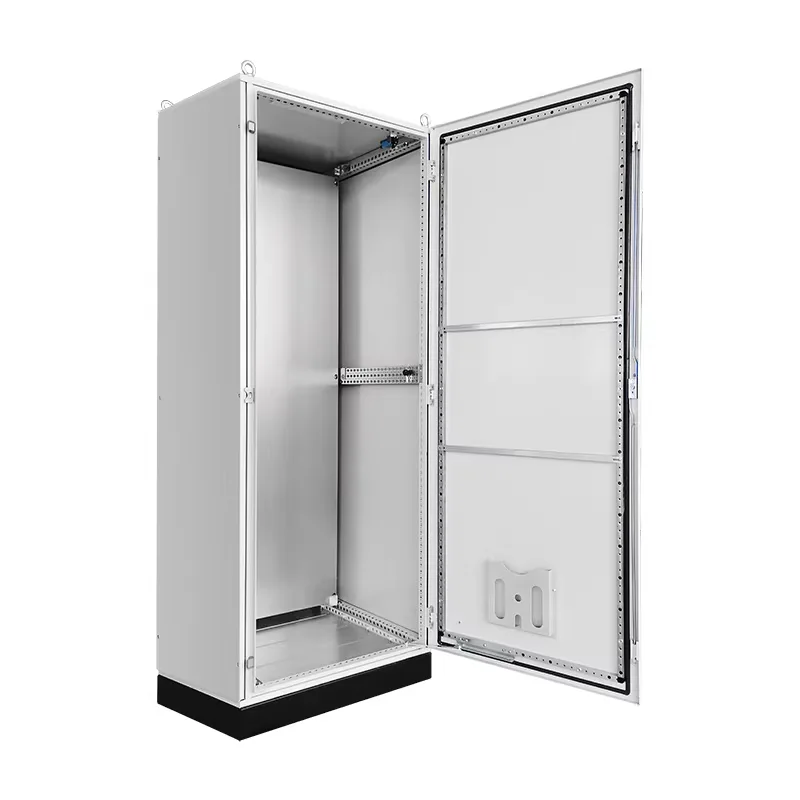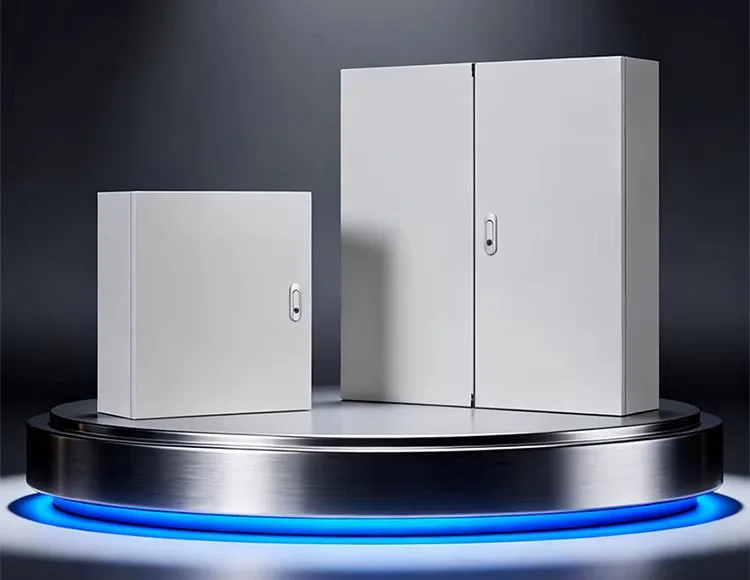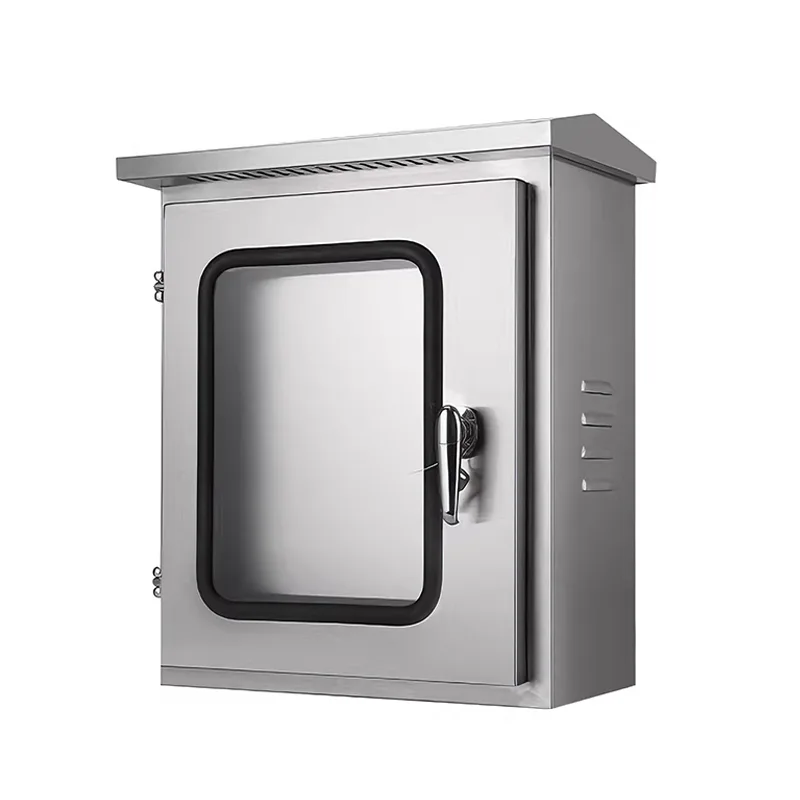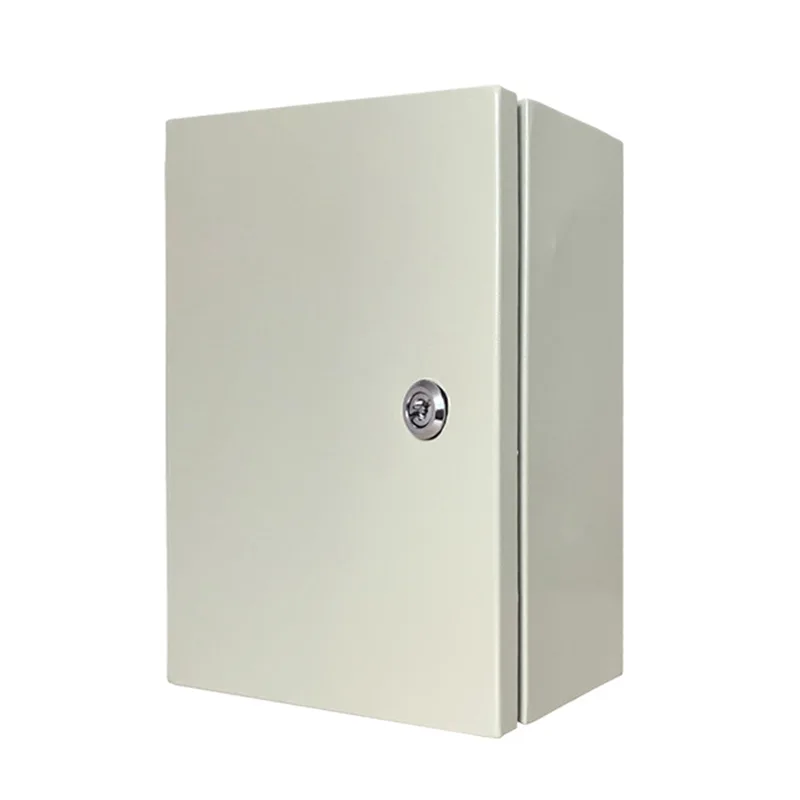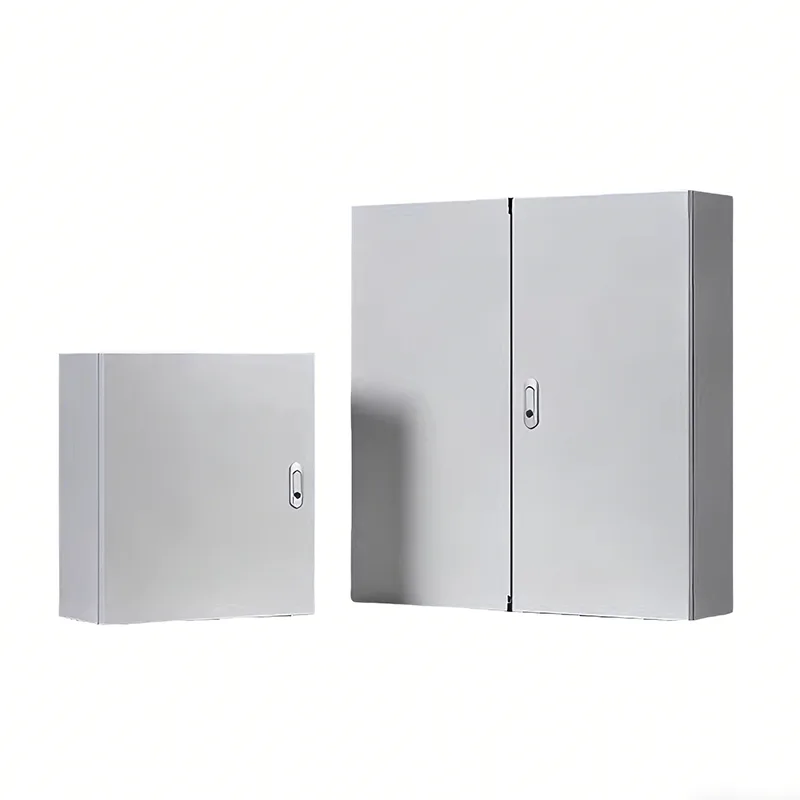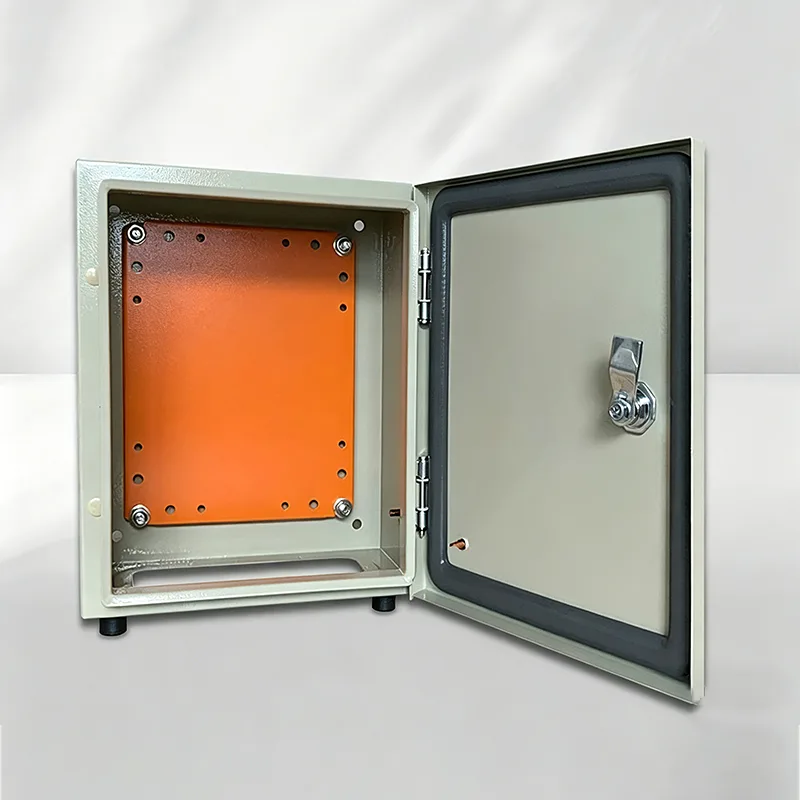
The materials are diverse and suitable for different scenarios.
Metal types: galvanized steel, stainless steel (304/316), and aluminum alloy are the main ones; they have high strength, good heat dissipation, and impact resistance. Stainless steel is more resistant to coastal / high-humidity corrosion; they are suitable for outdoor and industrial heavy-load environments;
Plastic types: ABS, polycarbonate (PC); they are lightweight, have strong insulation, and low cost. UV-stable formula can be used outdoors; they are suitable for civilian and indoor lightweight scenarios;
Composite materials: They combine the rigidity of metals and the anti-corrosion / insulation properties of plastics, and are mostly used in special working conditions.
High-level protection design
IP protection: Commonly used in indoor environments is IP30/40, while for outdoor industrial use, it is mostly IP65/IP66 (dust-proof + water spray-proof), and some even reach IP67/IP68; Sealing is achieved through rubber sealing gaskets, rain shelters, and compression locks;
Environmental tolerance: Anti-UV coating, resistance to high and low temperatures (-40℃ to +85℃ is common), salt fog resistance, chemical corrosion resistance;
Explosion-proof / Flame-retardant: Special models meet IEC/UL explosion-proof standards, and the enclosure material is flame-retardant, reducing the risk of arc ignition.
Structure and Installation Flexibility
Modular: Expandable internal rails, terminal blocks, and compartmentalized design, facilitating capacity expansion and separation of wiring;
We use cookies to offer you a better browsing experience, analyze site traffic and personalize content. By using this site, you agree to our use of cookies.
Privacy Policy