English
- English
- Español
- Português
- русский
- Français
- 日本語
- Deutsch
- tiếng Việt
- Italiano
- Nederlands
- ภาษาไทย
- Polski
- 한국어
- Svenska
- magyar
- Malay
- বাংলা ভাষার
- Dansk
- Suomi
- हिन्दी
- Pilipino
- Türkçe
- Gaeilge
- العربية
- Indonesia
- Norsk
- تمل
- český
- ελληνικά
- український
- Javanese
- فارسی
- தமிழ்
- తెలుగు
- नेपाली
- Burmese
- български
- ລາວ
- Latine
- Қазақша
- Euskal
- Azərbaycan
- Slovenský jazyk
- Македонски
- Lietuvos
- Eesti Keel
- Română
- Slovenski
- मराठी
- Srpski језик

Why Is a Galvanized Steel Distribution Box Enclosure Essential for Reliable Electrical Protection?
A Galvanized Steel Distribution Box Enclosure is one of the most important protective components in modern electrical systems. Whether used in industrial plants, commercial buildings, power distribution networks, renewable energy installations, or infrastructure projects, it provides critical protection against corrosion, mechanical damage, moisture, dust, and environmental hazards.
This comprehensive guide explores everything buyers, engineers, contractors, and facility managers need to know about galvanized steel distribution box enclosures, including material advantages, applications, design considerations, maintenance requirements, purchasing criteria, and industry trends. By understanding these factors, organizations can make informed decisions and maximize the reliability and lifespan of their electrical systems.
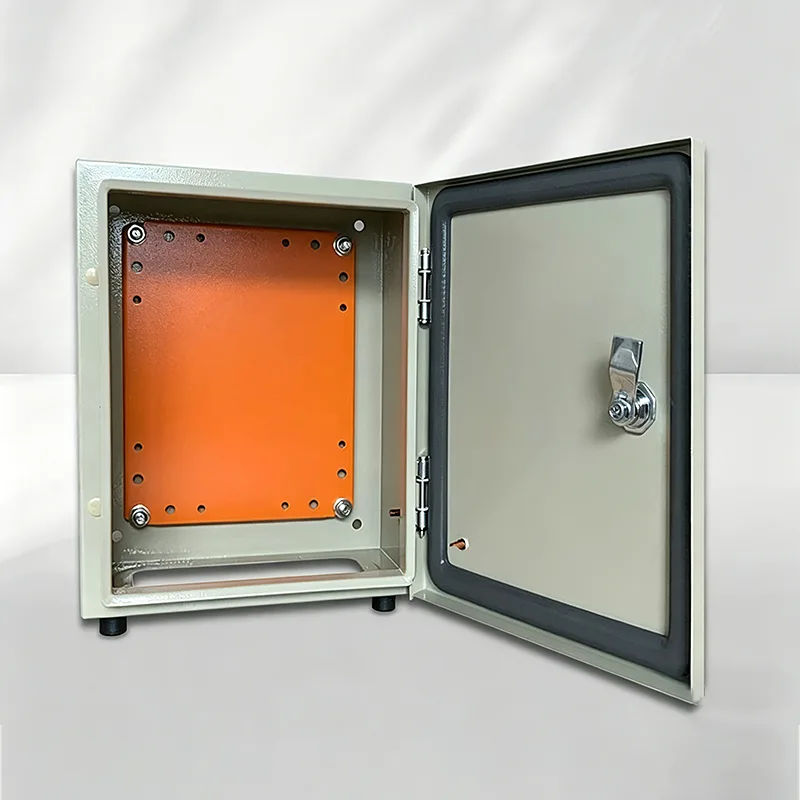
Table of Contents
- 1. What Is a Galvanized Steel Distribution Box Enclosure?
- 2. Why Is Galvanized Steel Widely Used for Electrical Enclosures?
- 3. How Does Galvanization Protect Against Corrosion?
- 4. What Are the Main Benefits of Galvanized Steel Distribution Boxes?
- 5. Where Are Galvanized Steel Distribution Box Enclosures Used?
- 6. How Do They Improve Electrical Safety?
- 7. What Features Should Buyers Look For?
- 8. Galvanized Steel vs Other Enclosure Materials
- 9. How to Choose the Right Enclosure Size?
- 10. Installation Best Practices
- 11. Maintenance and Inspection Guidelines
- 12. Common Customer Challenges and Solutions
- 13. Future Trends in Electrical Enclosures
- 14. Frequently Asked Questions
- 15. Conclusion
1. What Is a Galvanized Steel Distribution Box Enclosure?
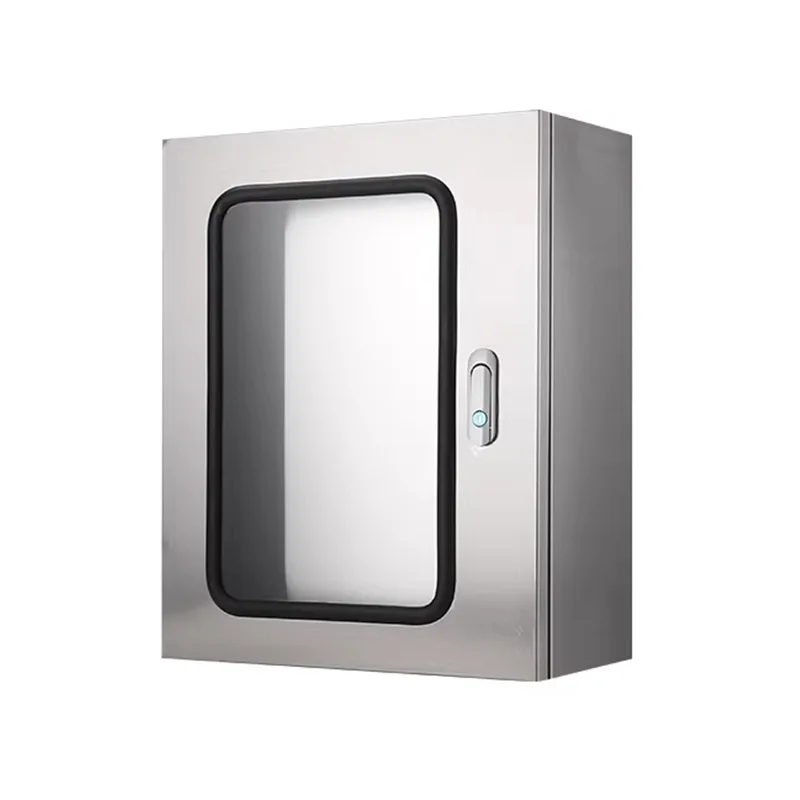
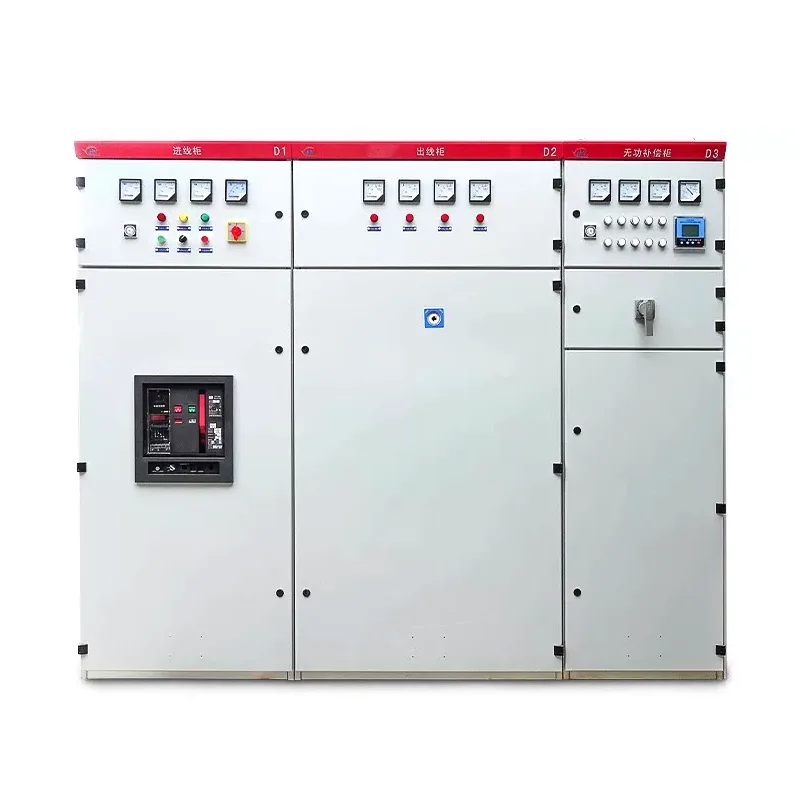
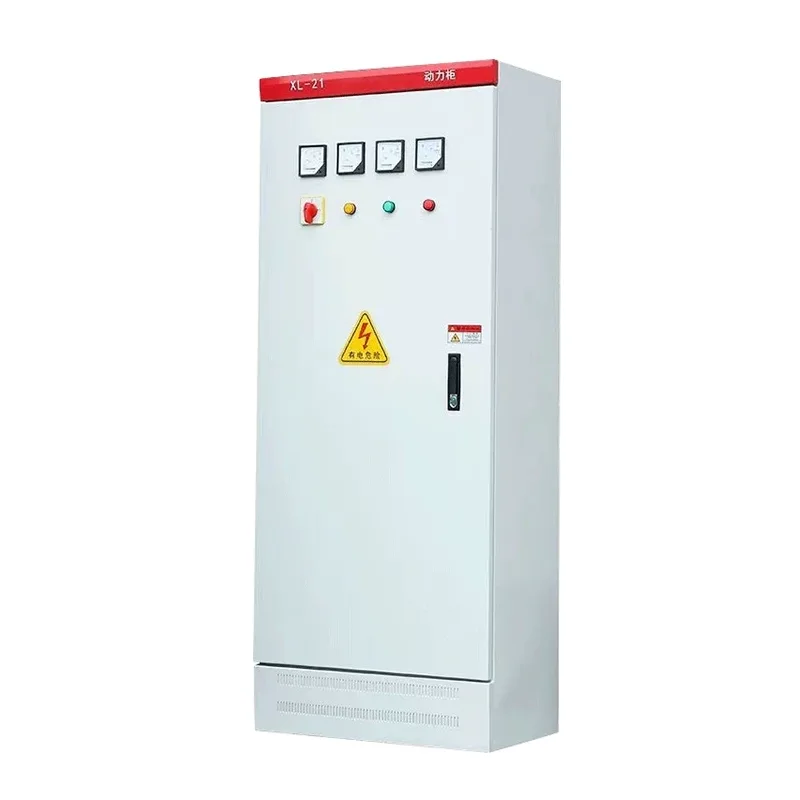
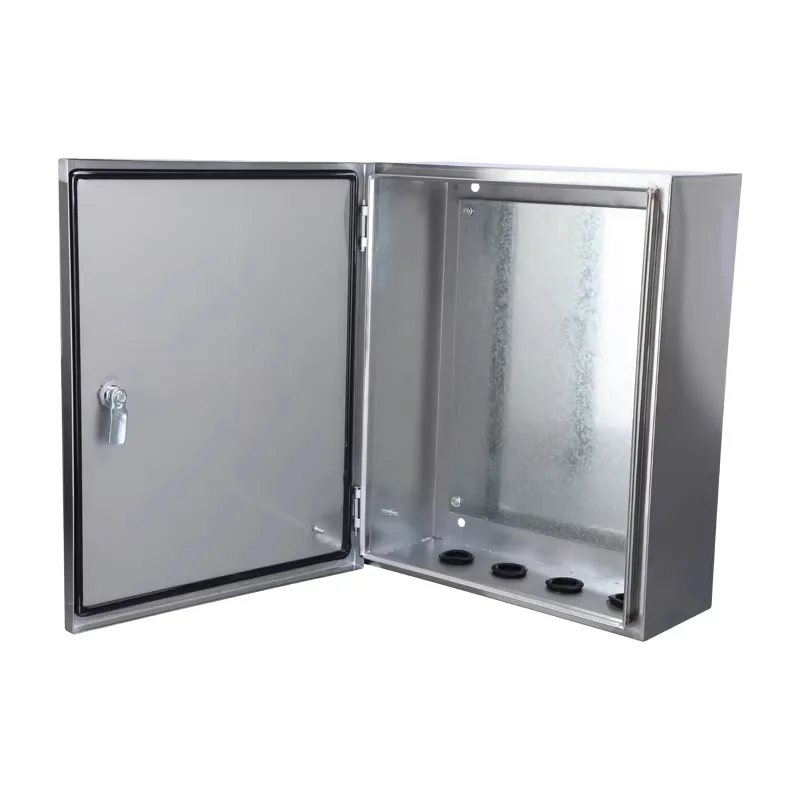
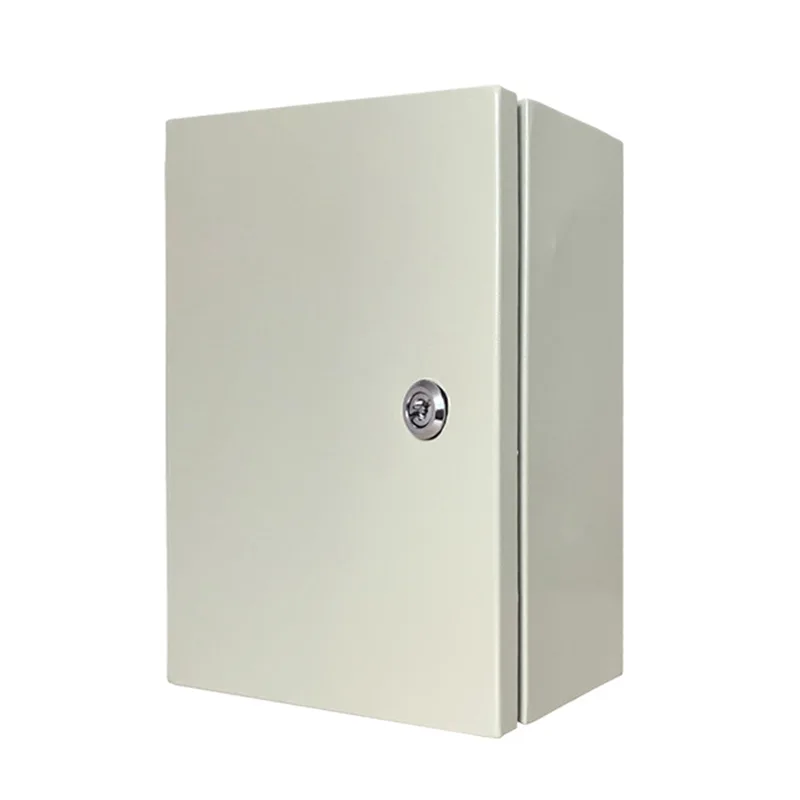
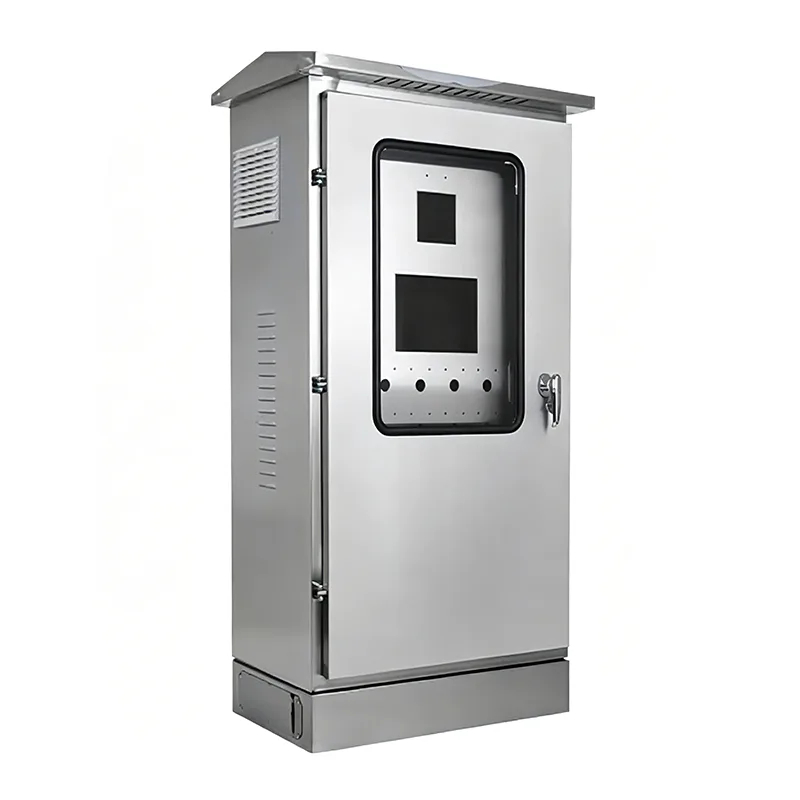
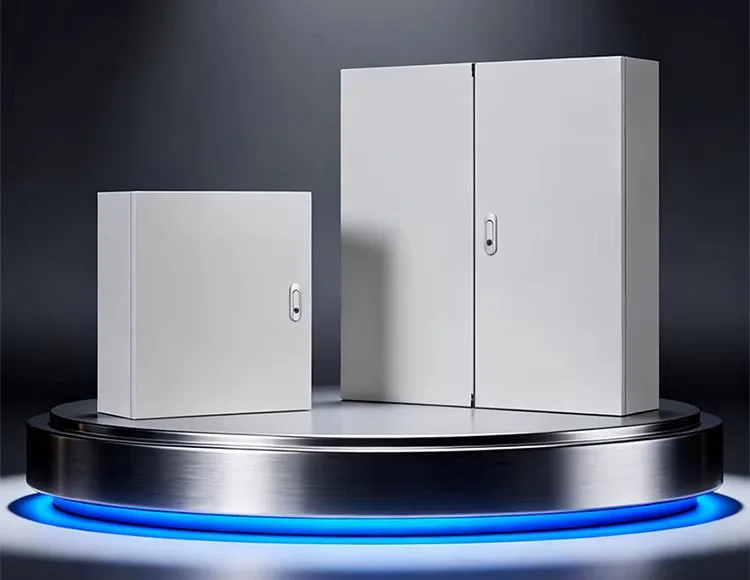
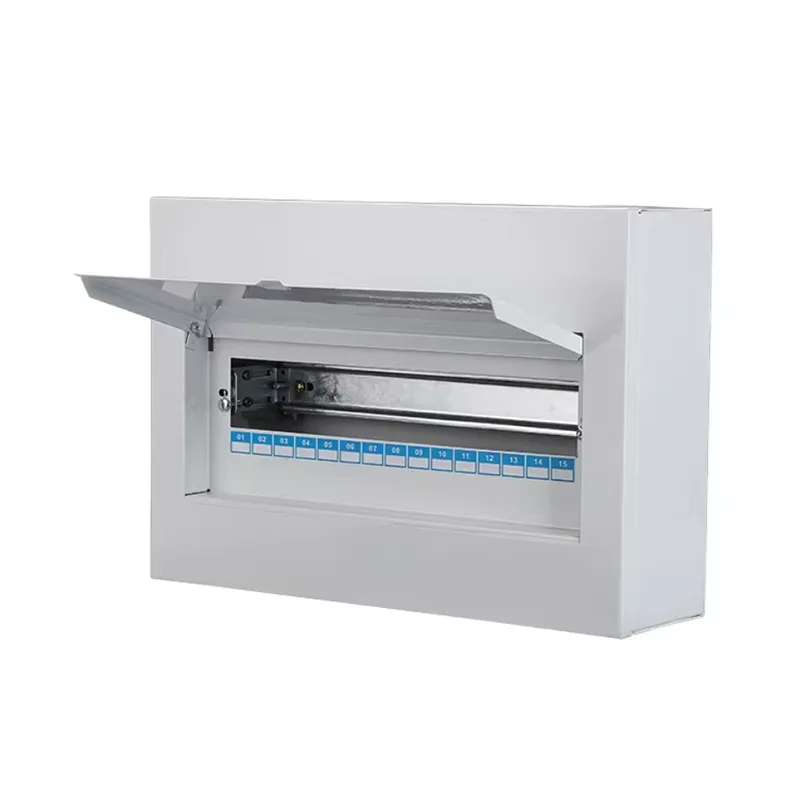
A galvanized steel distribution box enclosure is a protective housing designed to contain electrical distribution components such as breakers, switches, relays, terminal blocks, meters, and wiring connections. The enclosure shields electrical equipment from environmental influences while helping maintain operational safety.
The term "galvanized" refers to a steel surface coated with zinc, which creates a protective barrier against rust and corrosion. This makes galvanized steel particularly suitable for demanding indoor and outdoor environments.
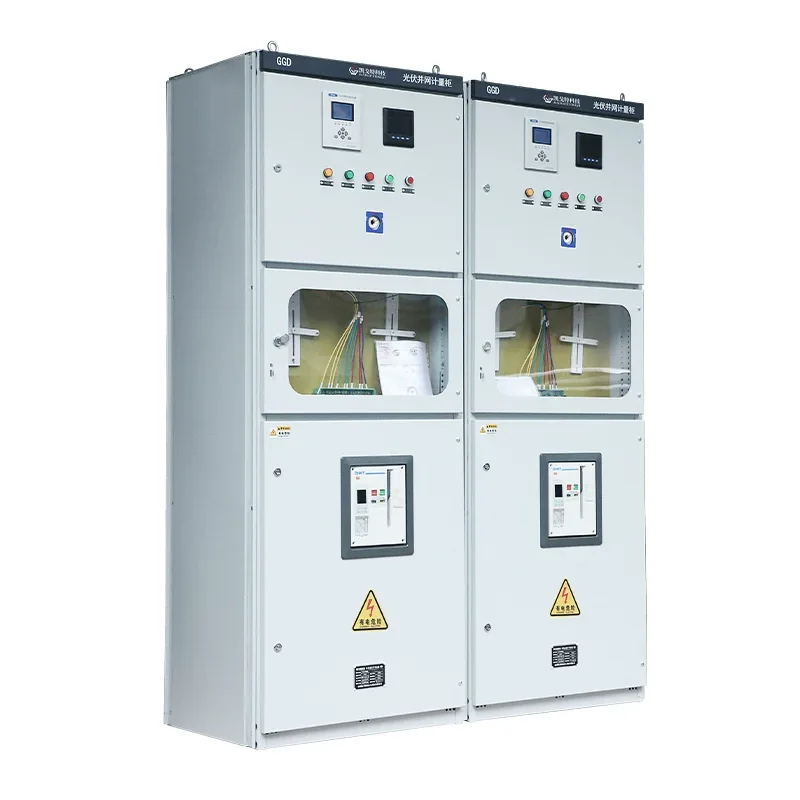
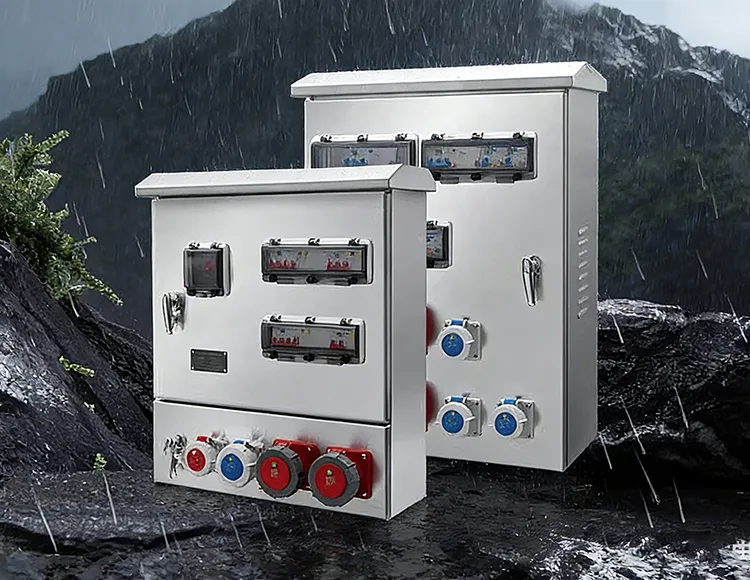
These enclosures are available in numerous configurations, including wall-mounted, floor-standing, outdoor, weatherproof, and customized designs for specialized applications.
2. Why Is Galvanized Steel Widely Used for Electrical Enclosures?
Electrical systems often operate in environments exposed to moisture, chemicals, temperature fluctuations, dust, and physical impacts. Standard steel can corrode quickly under these conditions.
Galvanized steel offers a practical solution because it combines the mechanical strength of steel with the corrosion resistance provided by zinc coating.
| Property | Galvanized Steel |
|---|---|
| Mechanical Strength | Excellent |
| Corrosion Resistance | High |
| Impact Protection | Strong |
| Service Life | Long |
| Maintenance Requirement | Low |
| Cost Efficiency | Excellent |
3. How Does Galvanization Protect Against Corrosion?
Galvanization involves applying a protective zinc coating to steel surfaces. The zinc layer serves multiple protective functions:
- Acts as a physical barrier against moisture.
- Prevents oxygen from reaching the steel substrate.
- Provides sacrificial protection if scratches occur.
- Reduces maintenance requirements.
- Extends enclosure lifespan significantly.
Even when the coating experiences minor damage, the zinc continues protecting nearby steel areas through electrochemical action.
4. What Are the Main Benefits of Galvanized Steel Distribution Boxes?
Organizations invest in galvanized steel enclosures because they offer numerous operational advantages:
- Exceptional durability
- Enhanced equipment protection
- Long-term corrosion resistance
- Improved workplace safety
- Reduced maintenance costs
- Better environmental protection
- Extended service life
- High structural integrity
These advantages help minimize downtime and protect valuable electrical assets.
5. Where Are Galvanized Steel Distribution Box Enclosures Used?
The versatility of galvanized steel allows its use across numerous industries.
| Industry | Application |
|---|---|
| Manufacturing | Machine power distribution |
| Construction | Building electrical systems |
| Utilities | Power distribution networks |
| Transportation | Railway and traffic control systems |
| Renewable Energy | Solar and wind power installations |
| Telecommunications | Network power management |
| Infrastructure | Public utility projects |
6. How Do They Improve Electrical Safety?
Electrical safety remains one of the primary reasons for using robust distribution box enclosures.
A properly designed galvanized steel enclosure helps:
- Prevent accidental contact with energized parts.
- Reduce risks associated with electrical faults.
- Contain sparks and arc events.
- Protect equipment from contamination.
- Support compliance with electrical standards.
- Maintain system reliability.
For industrial facilities, these protections can significantly reduce operational risks.
7. What Features Should Buyers Look For?
Selecting the right enclosure requires evaluating several critical factors.
| Feature | Importance |
|---|---|
| Material Thickness | Determines structural strength |
| IP Rating | Environmental protection level |
| Locking Mechanism | Security enhancement |
| Ventilation Design | Temperature management |
| Cable Entry Design | Installation convenience |
| Mounting Method | Application compatibility |
| Surface Finish | Additional durability |
8. Galvanized Steel vs Other Enclosure Materials
| Material | Strength | Corrosion Resistance | Cost |
|---|---|---|---|
| Galvanized Steel | Excellent | High | Moderate |
| Carbon Steel | Excellent | Low | Low |
| Stainless Steel | Excellent | Very High | High |
| Aluminum | Moderate | Good | Moderate |
| Plastic | Low | Excellent | Low |
For many applications, galvanized steel provides an ideal balance between performance and affordability.
9. How to Choose the Right Enclosure Size?
Choosing the correct enclosure size prevents overcrowding and improves maintenance accessibility.
Key considerations include:
- Number of electrical components.
- Future expansion requirements.
- Cable routing space.
- Heat dissipation needs.
- Maintenance accessibility.
- Safety clearances.
Proper sizing improves reliability while simplifying future upgrades.
10. Installation Best Practices
Correct installation is critical for achieving optimal performance.
- Select a stable mounting surface.
- Ensure proper grounding.
- Use suitable cable glands.
- Seal all openings correctly.
- Verify enclosure alignment.
- Follow electrical regulations.
- Perform final safety inspections.
Professional installation significantly reduces long-term operational issues.
11. Maintenance and Inspection Guidelines
While galvanized steel enclosures require relatively little maintenance, periodic inspections remain essential.
- Check for physical damage.
- Inspect door seals.
- Verify grounding continuity.
- Remove dust accumulation.
- Monitor corrosion indicators.
- Inspect locking systems.
- Review cable entries.
Routine maintenance helps maximize enclosure lifespan and system reliability.
12. Common Customer Challenges and Solutions
| Challenge | Recommended Solution |
|---|---|
| Rust Formation | Use galvanized coating and proper sealing |
| Dust Intrusion | Select higher IP ratings |
| Moisture Damage | Install weatherproof enclosures |
| Limited Internal Space | Choose larger enclosure designs |
| Unauthorized Access | Add secure locking systems |
| High Maintenance Costs | Use durable galvanized steel construction |
13. Future Trends in Electrical Enclosures
The electrical enclosure industry continues evolving to meet changing technological demands.
- Smart monitoring integration
- Improved environmental protection
- Modular enclosure systems
- Enhanced thermal management
- Sustainable manufacturing processes
- Advanced corrosion-resistant coatings
These innovations are helping organizations improve efficiency and equipment protection.
14. Frequently Asked Questions
Q1: How long does a galvanized steel distribution box enclosure last?
A: Depending on environmental conditions and maintenance practices, galvanized steel enclosures can provide reliable service for decades.
Q2: Are galvanized steel enclosures suitable for outdoor use?
A: Yes. They are commonly used outdoors due to their corrosion resistance and structural durability.
Q3: What IP rating should I choose?
A: The required IP rating depends on environmental exposure. Dusty or wet locations generally require higher protection levels.
Q4: Can galvanized steel enclosures support heavy electrical equipment?
A: Yes. Their high structural strength makes them suitable for supporting substantial electrical components.
Q5: How often should inspections be performed?
A: Most facilities conduct visual inspections every few months and comprehensive inspections annually.
Q6: Are customized enclosure designs available?
A: Yes. Many manufacturers provide customized dimensions, mounting options, cutouts, and protective features.
Q7: Is galvanized steel better than ordinary carbon steel?
A: For most electrical enclosure applications, galvanized steel offers superior corrosion resistance and longer service life.
15. Conclusion
A Galvanized Steel Distribution Box Enclosure is a dependable solution for protecting electrical systems in demanding environments. Its combination of mechanical strength, corrosion resistance, safety performance, and cost-effectiveness makes it a preferred choice across industrial, commercial, utility, and infrastructure applications.
By selecting the right enclosure design, ensuring proper installation, and performing regular inspections, organizations can significantly improve system reliability while reducing maintenance costs and operational risks.
Wenzhou Shangming Electric Co., Ltd. provides professional electrical enclosure solutions designed for durability, safety, and long-term performance. Whether you need standard products or customized configurations, our experienced team is ready to help you find the ideal solution.
Contact us today to discuss your requirements, request technical support, or receive a competitive quotation for your next project.
Related News
- What Makes a Carbon Steel Distribution Box Enclosure Reliable for Modern Power Systems?
- How Does a Wall Mounted Metal Electrical Distribution Box Improve Electrical Safety?
- How Does a Stainless Steel Distribution Cabinet Improve Electrical Safety and System Performance?
- Why Stainless Steel Distribution Box Enclosure Is Essential for Reliable Power Distribution Systems?
- Why Is Waterproof Distribution Box Enclosure Essential for Modern Electrical Protection?
- Why Is a Weatherproof Electrical Distribution Cabinet Essential for Modern Power Systems?
Leave me a message