English
- English
- Español
- Português
- русский
- Français
- 日本語
- Deutsch
- tiếng Việt
- Italiano
- Nederlands
- ภาษาไทย
- Polski
- 한국어
- Svenska
- magyar
- Malay
- বাংলা ভাষার
- Dansk
- Suomi
- हिन्दी
- Pilipino
- Türkçe
- Gaeilge
- العربية
- Indonesia
- Norsk
- تمل
- český
- ελληνικά
- український
- Javanese
- فارسی
- தமிழ்
- తెలుగు
- नेपाली
- Burmese
- български
- ລາວ
- Latine
- Қазақша
- Euskal
- Azərbaycan
- Slovenský jazyk
- Македонски
- Lietuvos
- Eesti Keel
- Română
- Slovenski
- मराठी
- Srpski језик

Why Stainless Steel Distribution Box Enclosure Is Essential for Reliable Power Distribution Systems?
In modern electrical infrastructure, protection, safety, and durability are non-negotiable requirements. A Stainless Steel Distribution Box Enclosure plays a critical role in ensuring electrical components remain safe from environmental stress, corrosion, and accidental contact. This article provides a comprehensive breakdown of its design principles, material advantages, application scenarios, installation considerations, and long-term value. It is designed to help engineers, contractors, and procurement specialists make informed decisions while solving real-world operational challenges.
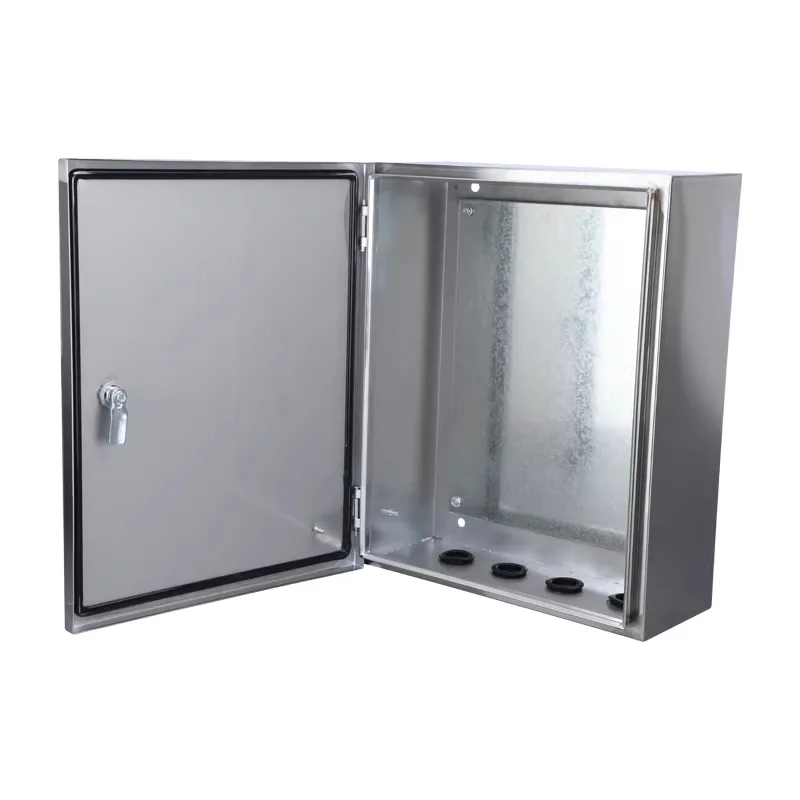
Table of Contents
- 1. Project Outline & Key Considerations
- 2. What Is a Stainless Steel Distribution Box Enclosure?
- 3. Why Stainless Steel Matters in Electrical Enclosures
- 4. Core Benefits and Performance Advantages
- 5. Industrial Applications and Use Cases
- 6. Comparison With Other Enclosure Materials
- 7. How to Choose the Right Enclosure
- 8. Installation and Maintenance Guidelines
- 9. Common Challenges and Engineering Solutions
- 10. Future Trends in Electrical Enclosure Design
- 11. Frequently Asked Questions
- 12. Conclusion & Professional Recommendation
1. Project Outline & Key Considerations
Electrical distribution systems are the backbone of industrial, commercial, and residential power networks. The enclosure that houses distribution components must meet strict requirements:
- Protection from environmental exposure (rain, dust, humidity)
- Resistance to corrosion and chemical damage
- Mechanical strength against impact or tampering
- Compliance with electrical safety standards
- Long service life with minimal maintenance
A Stainless Steel Distribution Box Enclosure is engineered to meet these expectations, especially in harsh environments such as coastal areas, chemical plants, and outdoor installations.
2. What Is a Stainless Steel Distribution Box Enclosure?
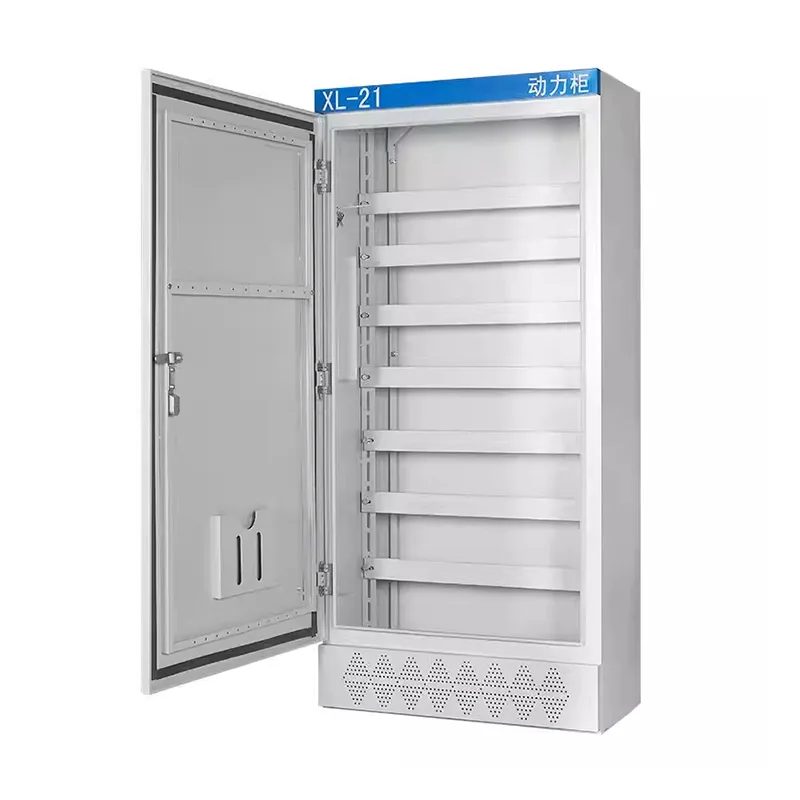
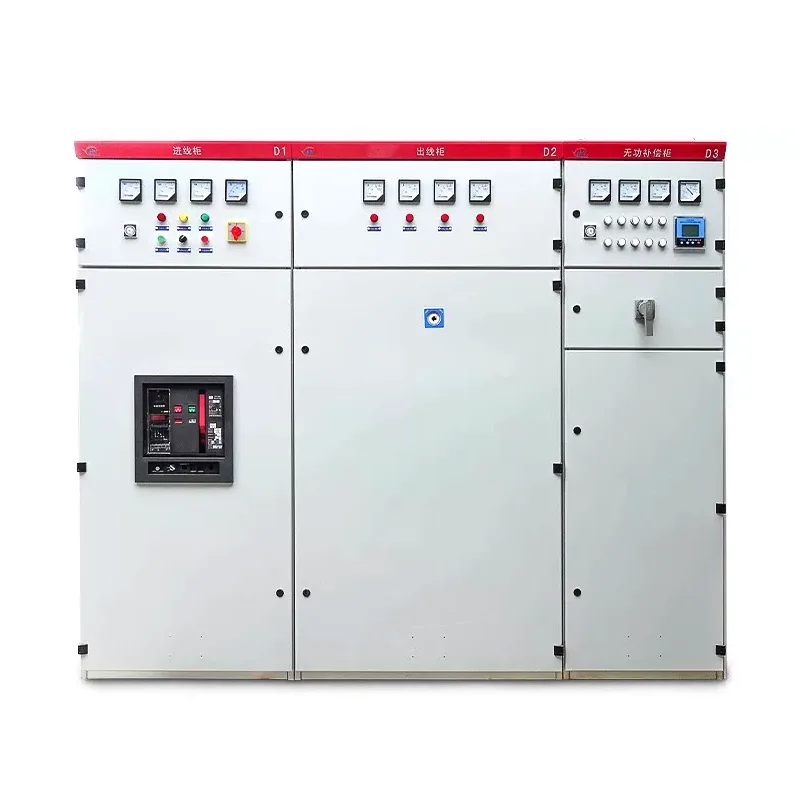
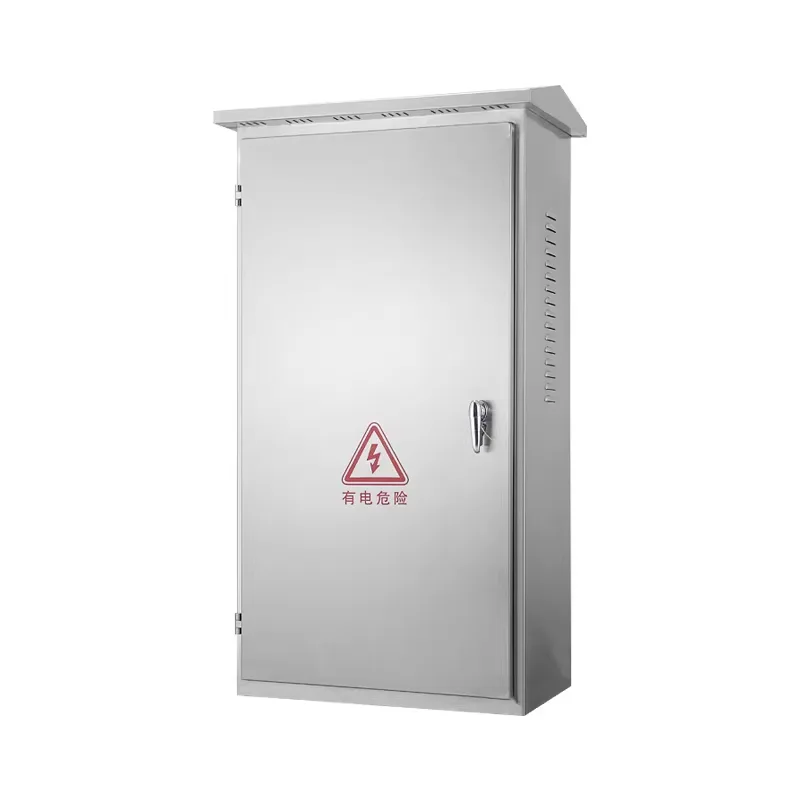
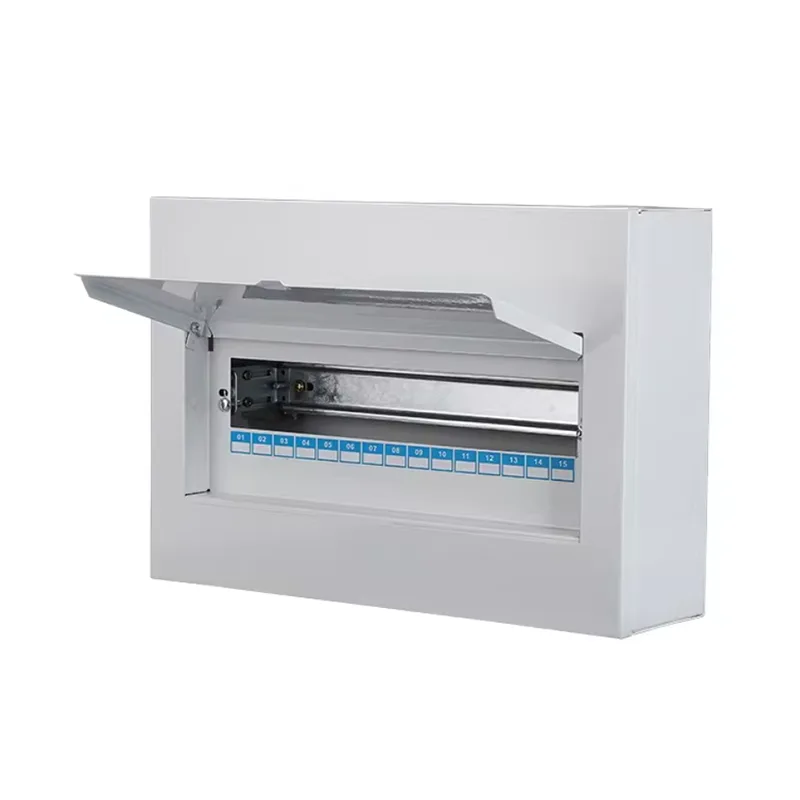
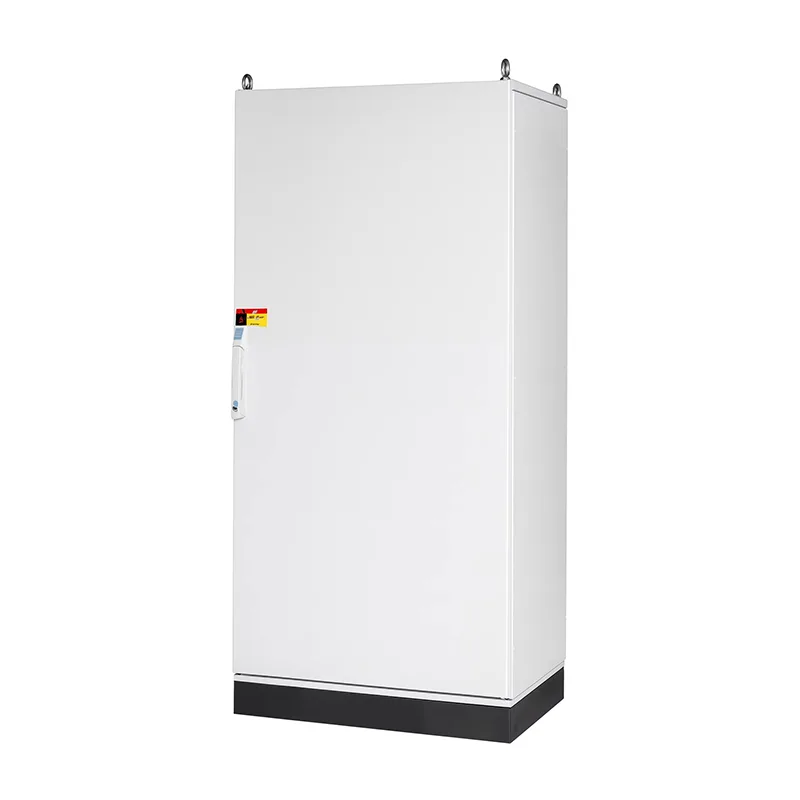
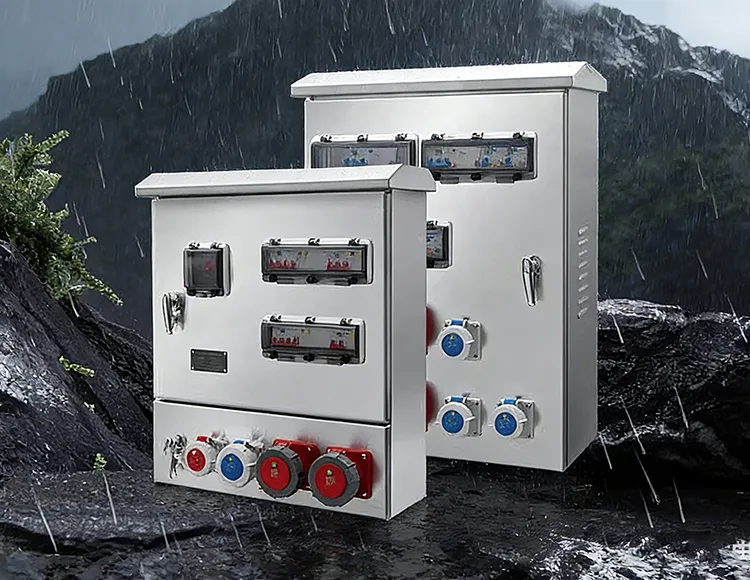
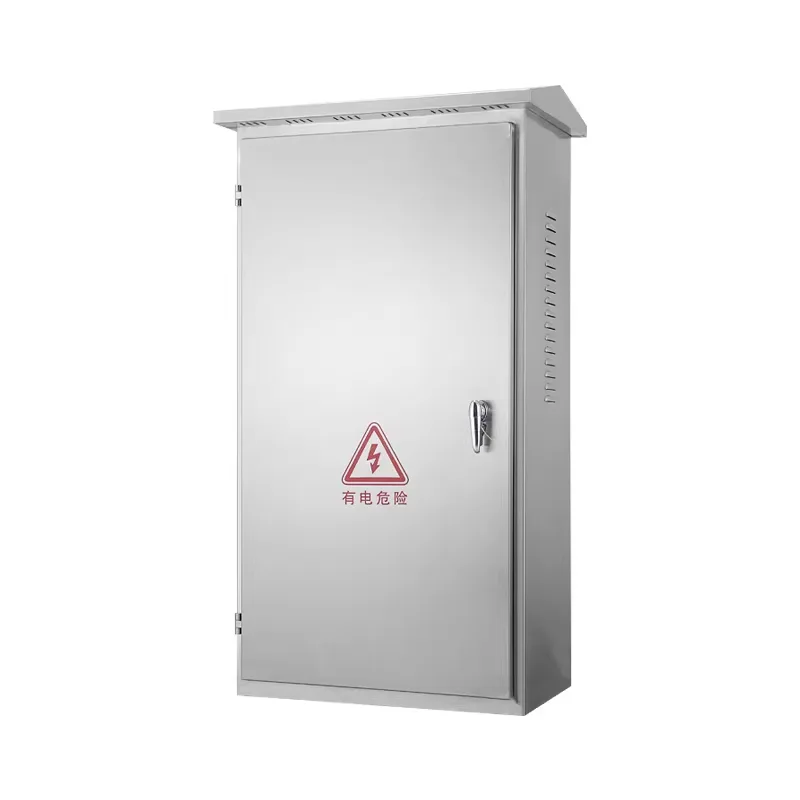
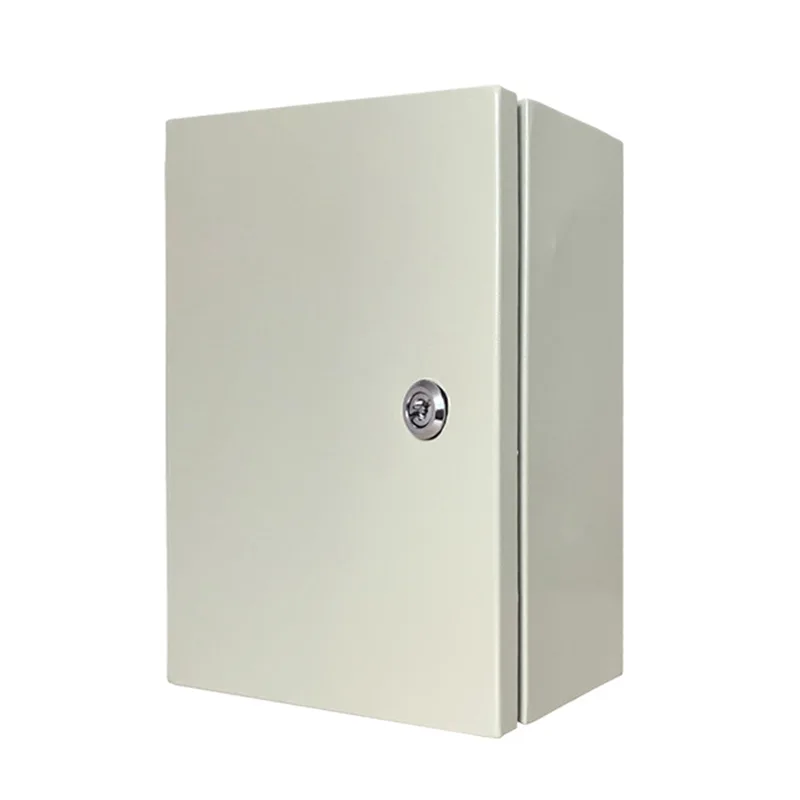
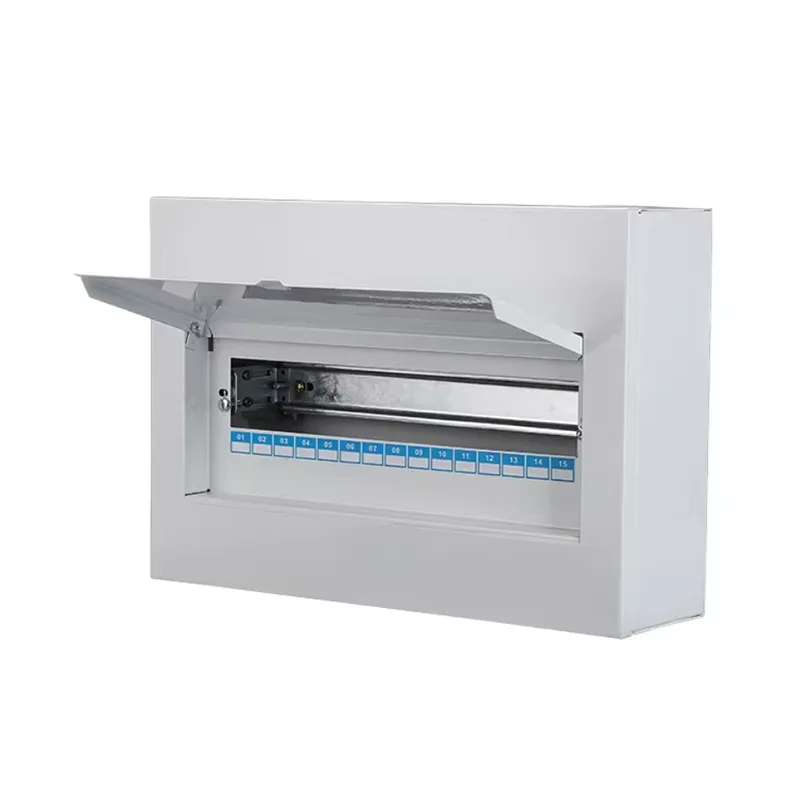
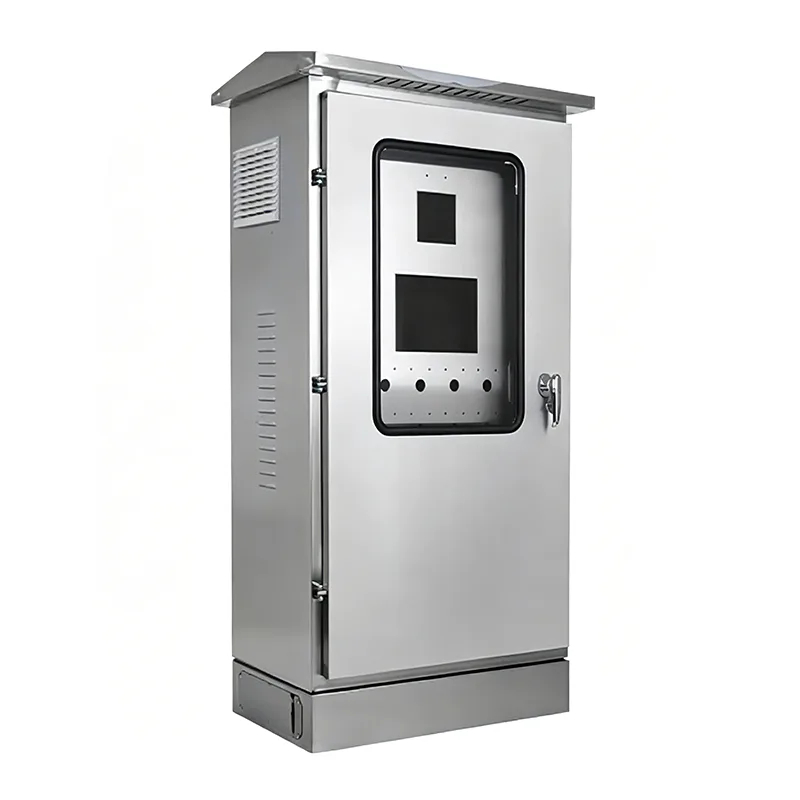
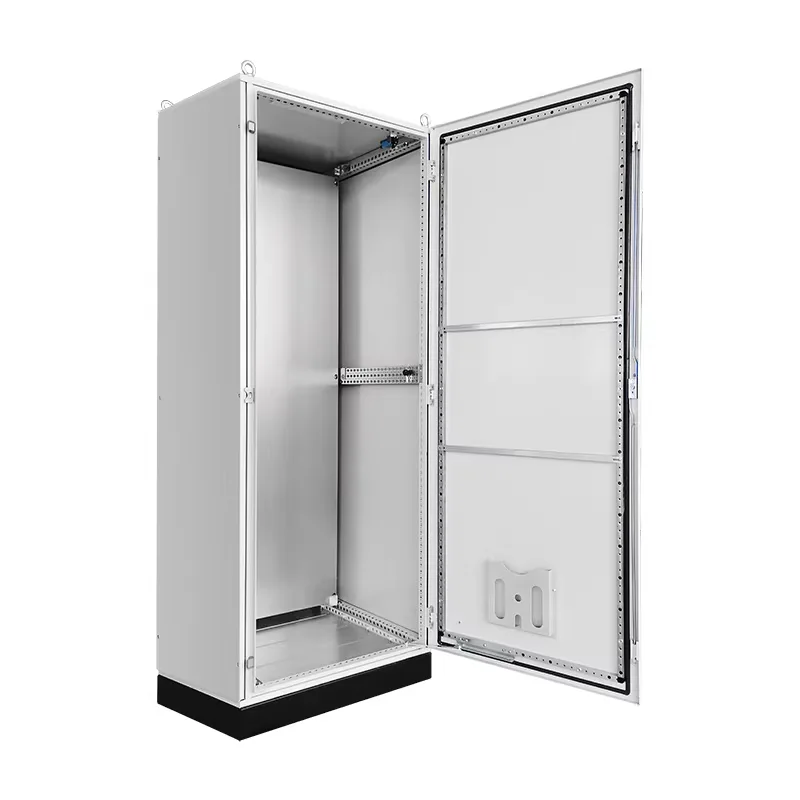
A Stainless Steel Distribution Box Enclosure is a protective housing used to contain electrical distribution equipment such as circuit breakers, terminal blocks, relays, and wiring systems. It is typically manufactured using high-grade stainless steel such as SS304 or SS316.
Its main purpose is to ensure that electrical systems remain:
- Safe from external interference
- Protected against corrosion and rust
- Structurally stable under pressure or vibration
These enclosures are widely used in industries where reliability and safety cannot be compromised.
3. Why Stainless Steel Matters in Electrical Enclosures
Material selection determines the performance and lifespan of any electrical enclosure. Stainless steel stands out due to its unique properties.
| Material Property | Performance Advantage |
|---|---|
| Corrosion Resistance | Ideal for humid, coastal, and chemical environments |
| Mechanical Strength | High resistance to impact and deformation |
| Temperature Tolerance | Stable performance under extreme heat or cold |
| Hygienic Surface | Easy to clean and maintain in sensitive industries |
Unlike carbon steel or plastic alternatives, stainless steel maintains structural integrity over long operational cycles without significant degradation.
4. Core Benefits and Performance Advantages
A Stainless Steel Distribution Box Enclosure offers multiple advantages that directly address common industrial pain points.
- Extended Service Life: Reduced replacement frequency lowers lifecycle costs.
- Enhanced Safety: Prevents electrical hazards and accidental contact.
- Weather Resistance: Suitable for outdoor and marine applications.
- Low Maintenance: Requires minimal upkeep compared to painted steel enclosures.
- High Load Capacity: Supports heavy internal electrical components.
These benefits make stainless steel enclosures a preferred choice for mission-critical installations.
5. Industrial Applications and Use Cases
The versatility of stainless steel enclosures allows them to be used across a wide range of industries:
- Power generation and electrical substations
- Oil and gas processing facilities
- Marine and offshore platforms
- Food and beverage manufacturing plants
- Pharmaceutical cleanrooms
- Infrastructure and transportation systems
In each of these environments, exposure to moisture, chemicals, or mechanical stress makes stainless steel a reliable protective solution.
6. Comparison With Other Enclosure Materials
| Material | Durability | Corrosion Resistance | Cost Level | Best Use Case |
|---|---|---|---|---|
| Stainless Steel | Very High | Excellent | Medium-High | Harsh environments |
| Carbon Steel | High | Low (requires coating) | Medium | Indoor controlled environments |
| Aluminum | Medium | Good | Medium-High | Lightweight applications |
| Plastic | Low-Medium | High | Low | Low-load residential systems |
While alternatives may reduce initial cost, stainless steel provides unmatched long-term reliability in demanding conditions.
7. How to Choose the Right Enclosure
Selecting the correct Stainless Steel Distribution Box Enclosure requires careful evaluation of several factors:
- Environmental Conditions: Indoor, outdoor, coastal, or industrial exposure
- Ingress Protection Rating (IP): Determines dust and water resistance level
- Size and Load Capacity: Must accommodate internal electrical components
- Material Grade: SS304 for general use, SS316 for marine environments
- Mounting Requirements: Wall-mounted, floor-standing, or embedded
Proper selection ensures system stability and reduces long-term operational risks.
8. Installation and Maintenance Guidelines
Correct installation is essential for ensuring optimal performance and safety.
Installation Best Practices:
- Ensure grounding and earthing are properly connected
- Avoid direct exposure to continuous water jets unless IP-rated
- Use appropriate sealing gaskets for cable entry points
- Maintain clearance around enclosure for heat dissipation
Maintenance Tips:
- Regularly inspect sealing integrity
- Clean surface to prevent contaminant buildup
- Check for loose fittings or corrosion signs
9. Common Challenges and Engineering Solutions
Even high-quality enclosures can face operational challenges if not properly designed or installed.
| Challenge | Impact | Engineering Solution |
|---|---|---|
| Moisture Ingress | Short circuits, corrosion | Improve sealing, upgrade IP rating |
| Thermal Overload | Component failure | Add ventilation or heat sinks |
| Mechanical Damage | Structural deformation | Use thicker stainless steel grades |
| Cable Overcrowding | Maintenance difficulty | Optimize internal layout design |
10. Future Trends in Electrical Enclosure Design
As industries evolve, electrical enclosure design is also advancing. Future developments include:
- Smart monitoring integration for temperature and humidity
- Modular enclosure systems for flexible installation
- Enhanced anti-corrosion nano-coatings
- Improved energy-efficient cooling designs
These innovations aim to improve operational safety, reduce downtime, and enhance system intelligence.
11. Frequently Asked Questions
Q1: Why is stainless steel preferred over plastic enclosures?
Stainless steel offers significantly higher mechanical strength, fire resistance, and durability in harsh environments.
Q2: Can stainless steel distribution boxes be used outdoors?
Yes, especially when designed with appropriate IP ratings and sealing systems.
Q3: What is the difference between SS304 and SS316?
SS316 provides better corrosion resistance, especially in marine or chemical environments.
Q4: How long does a stainless steel enclosure last?
With proper installation and maintenance, it can last decades without significant degradation.
Q5: Is customization available?
Yes, size, layout, cutouts, and accessories can be customized based on project requirements.
12. Conclusion & Professional Recommendation
A Stainless Steel Distribution Box Enclosure is more than just a protective housing—it is a critical component in ensuring electrical system safety, operational continuity, and long-term reliability. Its resistance to corrosion, structural strength, and adaptability across industries make it a preferred solution for engineers and project developers worldwide.
For high-quality manufacturing and customized solutions, Wenzhou Shangming Electric Co., Ltd. provides reliable and durable enclosure systems designed to meet demanding industrial standards.
If you are looking for professional-grade electrical enclosure solutions, contact us today to discuss your project requirements and receive tailored technical support and competitive solutions that match your application needs.
Related News
- What Makes a Carbon Steel Distribution Box Enclosure Reliable for Modern Power Systems?
- How Does a Wall Mounted Metal Electrical Distribution Box Improve Electrical Safety?
- How Does a Stainless Steel Distribution Cabinet Improve Electrical Safety and System Performance?
- Why Is a Galvanized Steel Distribution Box Enclosure Essential for Reliable Electrical Protection?
- Why Is Waterproof Distribution Box Enclosure Essential for Modern Electrical Protection?
- Why Is a Weatherproof Electrical Distribution Cabinet Essential for Modern Power Systems?
Leave me a message