English
- English
- Español
- Português
- русский
- Français
- 日本語
- Deutsch
- tiếng Việt
- Italiano
- Nederlands
- ภาษาไทย
- Polski
- 한국어
- Svenska
- magyar
- Malay
- বাংলা ভাষার
- Dansk
- Suomi
- हिन्दी
- Pilipino
- Türkçe
- Gaeilge
- العربية
- Indonesia
- Norsk
- تمل
- český
- ελληνικά
- український
- Javanese
- فارسی
- தமிழ்
- తెలుగు
- नेपाली
- Burmese
- български
- ລາວ
- Latine
- Қазақша
- Euskal
- Azərbaycan
- Slovenský jazyk
- Македонски
- Lietuvos
- Eesti Keel
- Română
- Slovenski
- मराठी
- Srpski језик

Durable New Energy Power Distribution Equipment Manufacturer
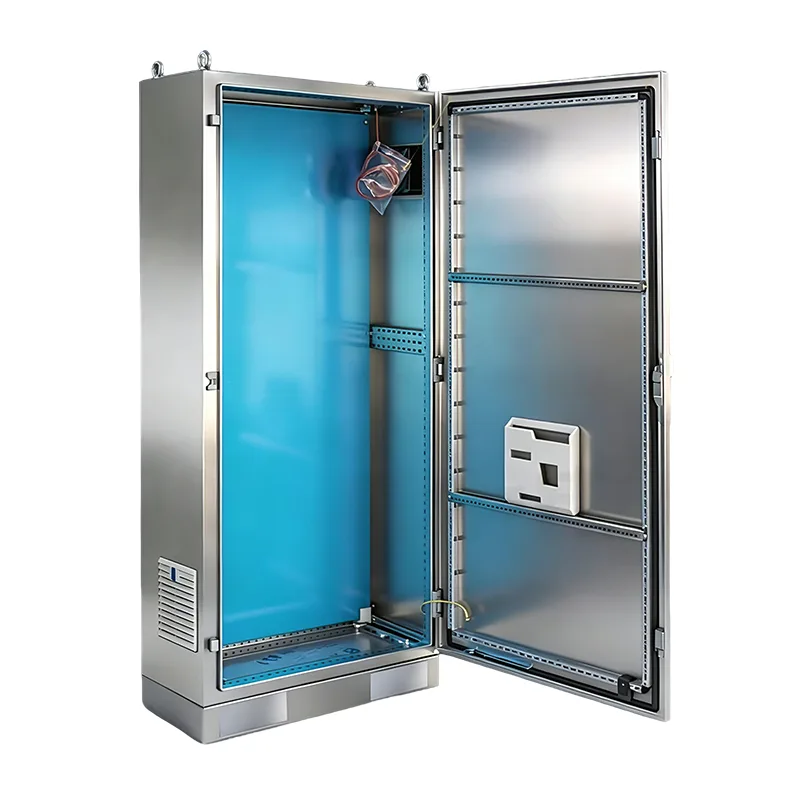
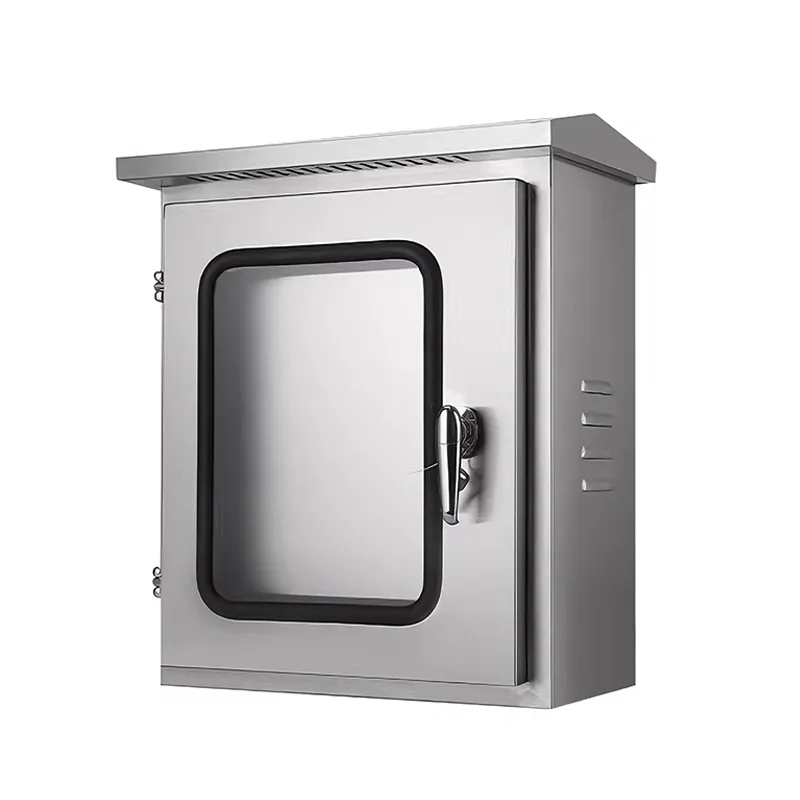
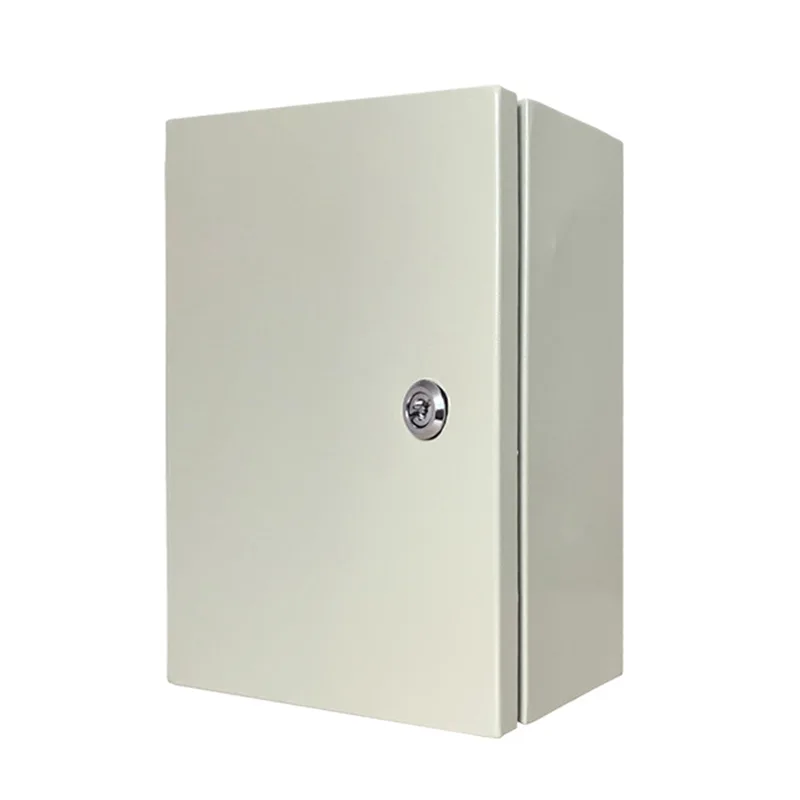
Shangming is a specialized factory dedicated to the design and manufacturing of New Energy Power Distribution Equipment. Based in China, we provide customized products and services to buyers worldwide. Contact us today to obtain direct-from-factory pricing and technical support!
What is New Energy Power Distribution Equipment?
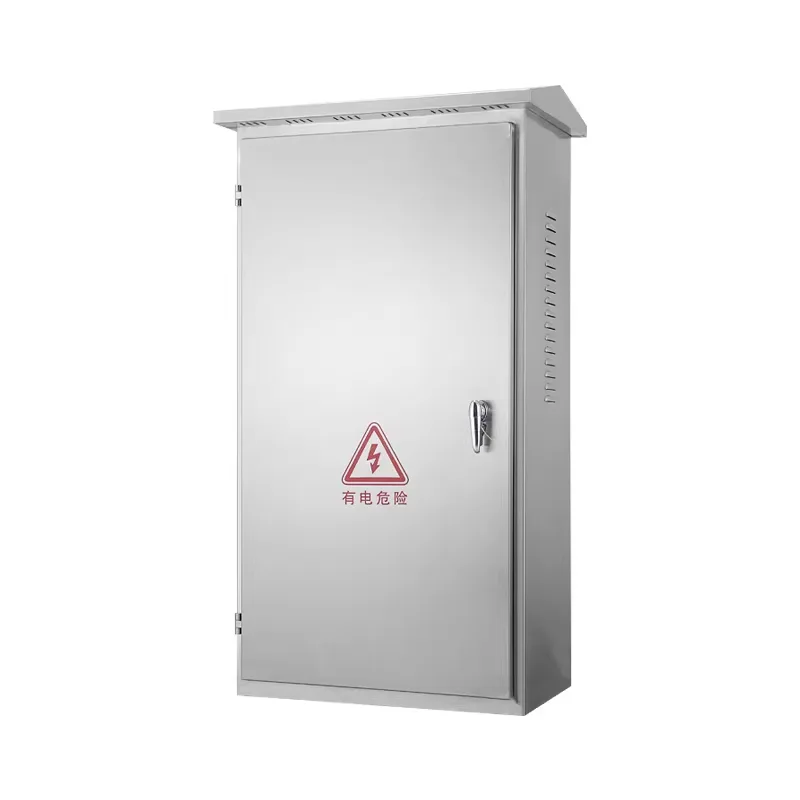
New Energy Power Distribution Equipment refers to a category of electrical equipment utilized in new energy power generation systems—such as photovoltaic, wind power, and energy storage systems—to facilitate power access, post-conversion distribution, control, protection, and grid connection.
Unlike traditional grid equipment, new energy equipment is designed to handle frequent conversions between direct current (DC) and alternating current (AC), fluctuating voltages, and bidirectional current flows; furthermore, it can integrate intelligent monitoring and communication capabilities.
The Differences Between New Energy Equipment and Traditional Equipment
|
Features |
Traditional Power Distribution Equipment |
New Energy Power Distribution Equipment |
|
Current Direction |
Unidirectional |
Bidirectional |
|
Voltage Level |
Stable (380V/10kV) |
Highly Volatile (DC-side fluctuations driven by changes in solar irradiance or wind speed) |
|
Component Requirements |
Conventional AC Circuit Breakers |
Requires High-Performance DC Circuit Breakers (featuring enhanced arc-extinguishing capabilities) |
|
Intelligence |
Basic Measurement (Current/Voltage) |
Highly Integrated (must incorporate remote communication protocols, string monitoring, and data communication capabilities) |
Key Technical Features
High-Voltage DC: To minimize power losses, new energy systems (particularly photovoltaics) are transitioning from 1000V to 1500V DC systems. This necessitates switchgear with higher insulation ratings.
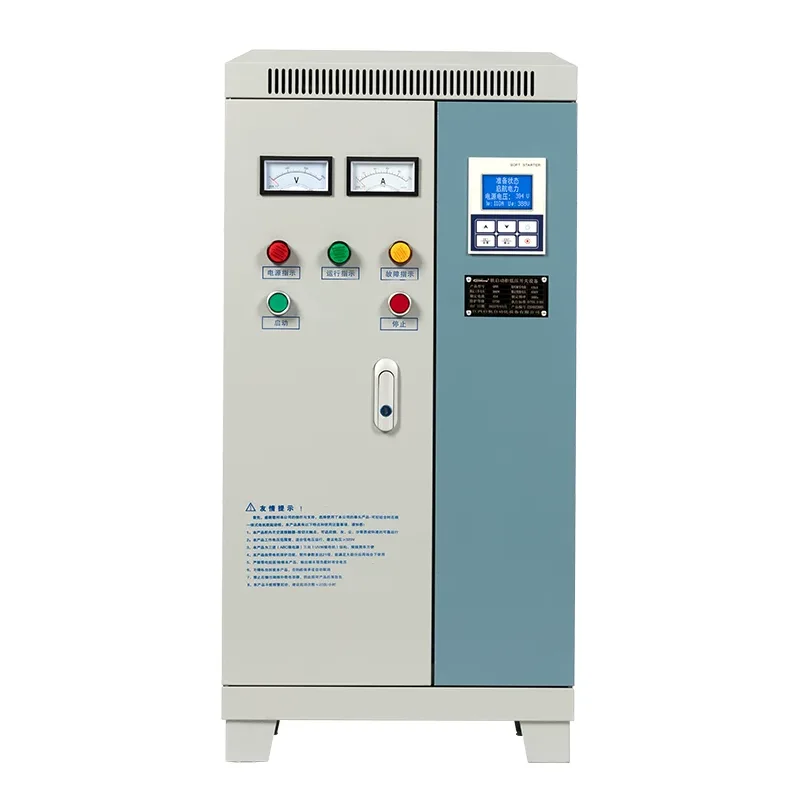
Power Electronics Integration: New Energy Power Distribution Equipment cabinets frequently integrate inverters, variable frequency drives, or rectifier modules; consequently, thermal management within these cabinets is significantly more complex than in standard power distribution cabinets.
Lightning and Surge Protection: New energy facilities are typically situated in open outdoor environments, demanding extremely robust dual-level lightning protection for both the DC and AC sides.
Rapid Disconnection: Given the specific short-circuit characteristics of new energy systems, circuit breakers are required to possess faster response times to safeguard expensive silicon wafers or battery modules.
Core Functions
1. DC/AC Conversion and Aggregation
This constitutes the most fundamental function of New Energy Power Distribution Equipment.
Multi-channel Aggregation: It consolidates the minute currents generated by hundreds or thousands of PV strings or individual battery cells into a single high-amperage current via a combiner box, thereby reducing the number of transmission cables required.
High-Efficiency Inversion/Rectification: Through converters integrated within the cabinet or via accompanying inverters, it achieves highly efficient conversion between Direct Current (DC) and Alternating Current (AC), ensuring that the generated electricity complies with grid frequency standards (50/60 Hz).
2. Intelligent Grid Connection and Anti-Islanding Protection
New energy generation is inherently intermittent; consequently, its grid-connection process requires rigorous monitoring.
Anti-Islanding Protection: In the event of a power outage in the external utility grid, the grid-connection cabinet must disconnect its output within milliseconds. This prevents the new energy system from continuing to feed power into the grid, thereby safeguarding the safety of power maintenance personnel.
Automatic Synchronization: It ensures that the circuit breaker closes—connecting the system to the grid—only when the voltage, frequency, and phase of the generated power precisely match those of the utility grid, thereby preventing massive inrush currents that could damage equipment.
3. Bi-directional Energy Flow Monitoring
This is a core feature distinguishing new energy equipment from traditional power distribution systems, and it is particularly critical within energy storage systems.
Charge/Discharge Scheduling: Based on the utility grid's load conditions, the system determines whether to charge the batteries (absorbing surplus power) or discharge the batteries (providing peak-shaving and valley-filling support).
Precise Metering: Utilizing bi-directional energy meters, the system separately records the electricity fed into the grid and the electricity drawn from the grid, providing essential data support for electricity billing and carbon trading.
4. Integrated Protection for Extreme Environments
Since new energy equipment is frequently deployed in harsh environments—such as deserts, high-altitude regions, and offshore locations—its protective capabilities are exceptionally comprehensive:
DC Arc Suppression: Unlike AC power, DC power lacks natural zero-crossing points, making arc suppression extremely difficult. New energy distribution cabinets are equipped with specialized DC circuit breakers capable of forcibly extinguishing high-temperature electric arcs, thereby preventing fires.
Three-Tier Lightning Protection: Designed to address lightning strikes induced across expansive PV arrays, the system provides comprehensive surge protection spanning from the DC busbar to the AC output lines.
Environmental Adaptability: Featuring built-in automatic heating, dehumidification, and forced-air cooling systems, the equipment ensures stable and reliable operation even under extreme temperature fluctuations.
Usage Precautions
I. Operating Environment Requirements
Maintain a dry and well-ventilated environment; avoid exposure to high temperatures, high humidity, dust, and corrosive gases.
For outdoor equipment, an IP54 or IP65 protection rating is recommended; install air conditioning or dehumidification devices as necessary.
II. Electrical Parameter Matching
The voltage level must be consistent with that of the system (e.g., 400V / 690V / 10kV). The rated current must meet actual load requirements, and the short-circuit breaking capacity must be sufficient to handle the system's maximum short-circuit current.
III. Grid-Connection Operation Guidelines
Prior to grid connection, voltage, frequency, and phase sequence/phase alignment must be verified. Protection parameters must be configured in strict accordance with grid regulations.
Do not modify grid-connection parameters without authorization, nor attempt to force a grid connection without prior verification.
IV. Grounding and Lightning Protection Requirements
All equipment must be reliably grounded, with grounding resistance levels complying with local regulations. Lightning arresters must be wired correctly.
If you encounter any issues during installation or operation and require remote technical support, please feel free to contact Shangming at any time.
- View as
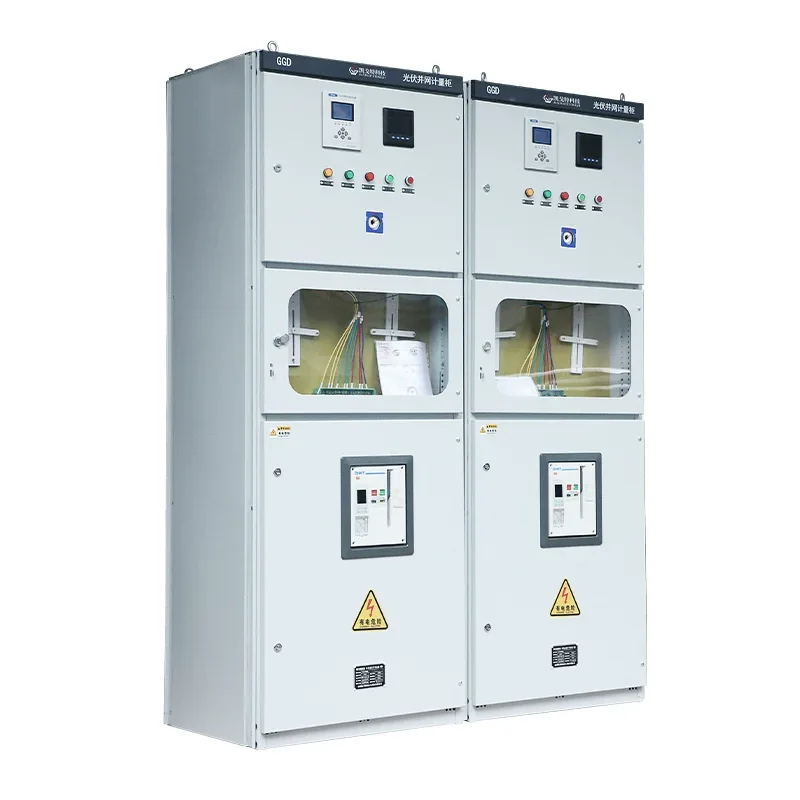
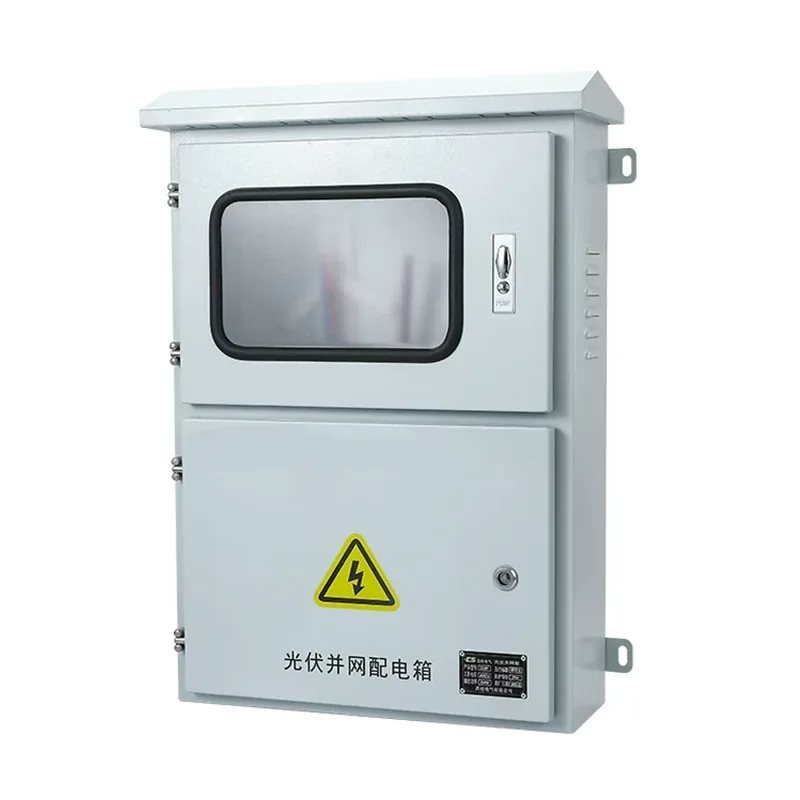
Photovoltaic Grid-Connected Cabinet
As a China manufacturer and supplier of photovoltaic grid-connected cabinets, Shangming offers one-stop solutions at affordable prices. This equipment collects and meters the AC power output from photovoltaic inverters and safely connects to the grid when grid connection conditions are met. It boasts stable performance and a long service life.
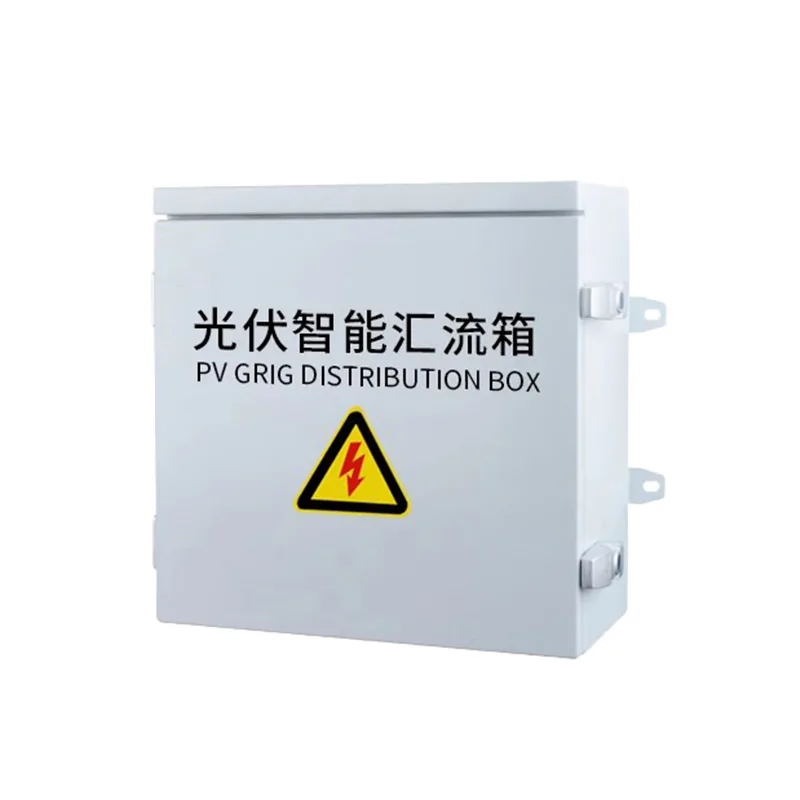
Photovoltaic Combiner Box
Looking to buy a photovoltaic combiner box at factory-direct prices? Consider Shangming from China, a reliable manufacturer. Using this product reduces the number of cables, lowers cabling costs and installation complexity, and provides circuit protection and monitoring functions.
As a reliable New Energy Power Distribution Equipment manufacturer and supplier in China, we have our factory. If you want to buy quality and durable products, please contact us.