English
- English
- Español
- Português
- русский
- Français
- 日本語
- Deutsch
- tiếng Việt
- Italiano
- Nederlands
- ภาษาไทย
- Polski
- 한국어
- Svenska
- magyar
- Malay
- বাংলা ভাষার
- Dansk
- Suomi
- हिन्दी
- Pilipino
- Türkçe
- Gaeilge
- العربية
- Indonesia
- Norsk
- تمل
- český
- ελληνικά
- український
- Javanese
- فارسی
- தமிழ்
- తెలుగు
- नेपाली
- Burmese
- български
- ລາວ
- Latine
- Қазақша
- Euskal
- Azərbaycan
- Slovenský jazyk
- Македонски
- Lietuvos
- Eesti Keel
- Română
- Slovenski
- मराठी
- Srpski језик

How Does a Wall Mounted Metal Electrical Distribution Box Improve Electrical Safety?
A reliable electrical distribution enclosure is essential for protecting circuit breakers, terminals, busbars, cables, and other electrical components from accidental contact and environmental hazards. A Wall Mounted Metal Electrical Distribution Box provides a practical combination of mechanical protection, organized wiring space, accessibility, and installation flexibility. This guide explains its construction, working role, key advantages, selection considerations, installation practices, maintenance requirements, and common applications, helping electrical contractors, system integrators, facility managers, and industrial buyers make more informed decisions.
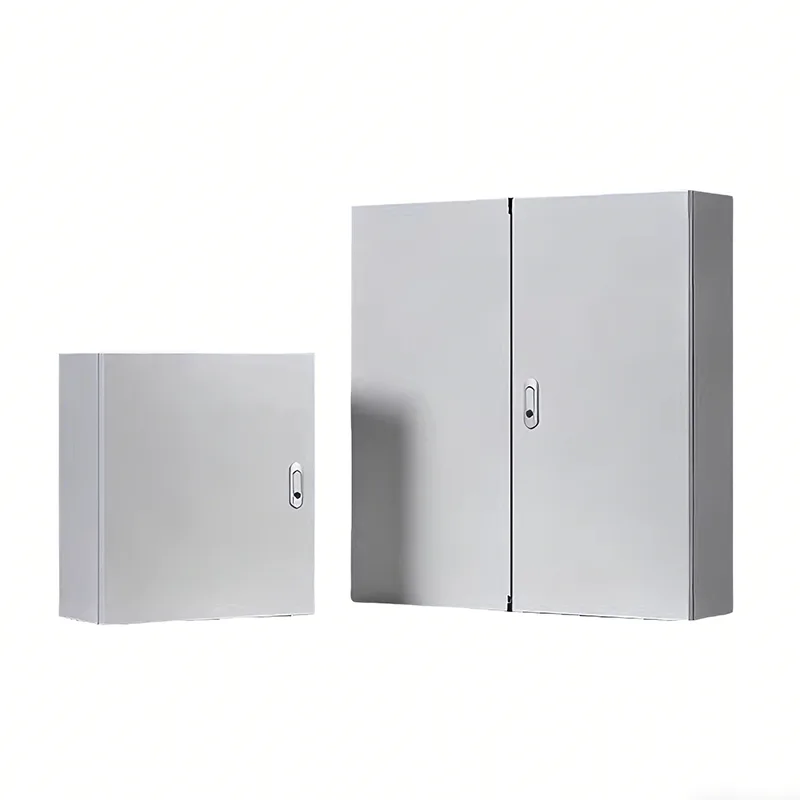
Table of Contents
- Understanding the Wall Mounted Metal Electrical Distribution Box
- Why Electrical Distribution Enclosures Matter
- Key Construction Features
- Main Benefits in Electrical Installations
- How to Select a Suitable Distribution Box
- Typical Applications
- Installation and Wiring Considerations
- Maintenance and Service Practices
- Metal Distribution Box vs. Other Enclosure Materials
- Frequently Asked Questions
- Final Thoughts
Understanding the Wall Mounted Metal Electrical Distribution Box
Electrical distribution systems need more than circuit breakers and cables. The equipment must also be housed in a suitable enclosure that keeps energized components protected while allowing authorized personnel to inspect, maintain, and modify the installation. This is where a Wall Mounted Metal Electrical Distribution Box becomes particularly useful.
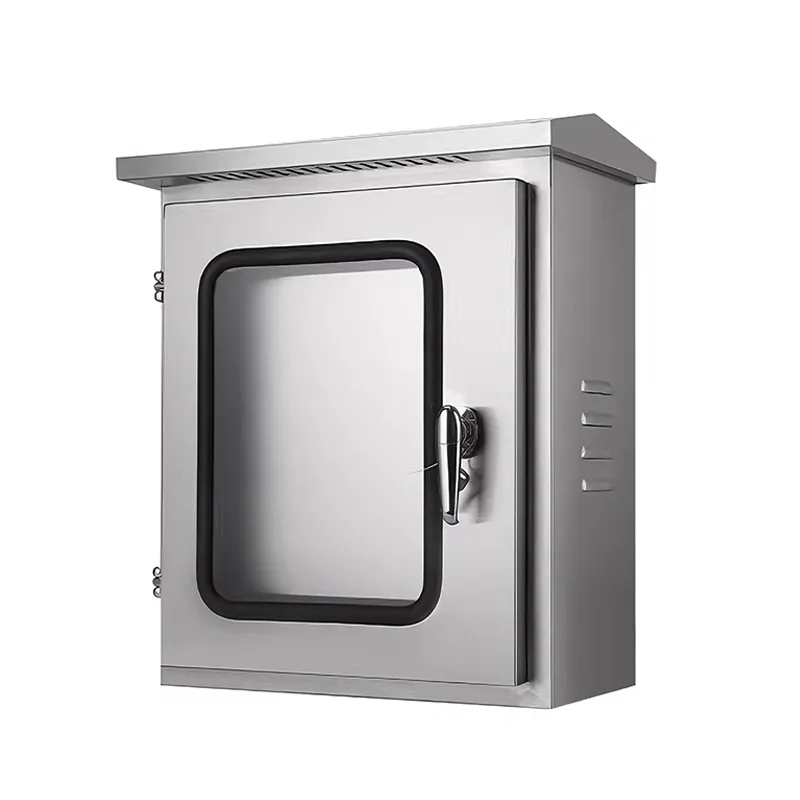
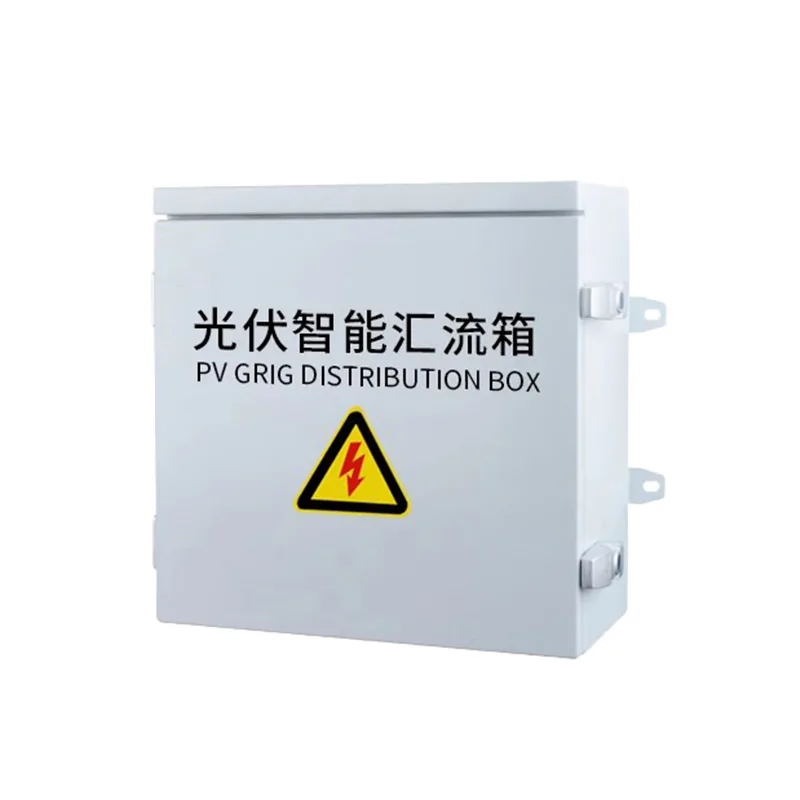
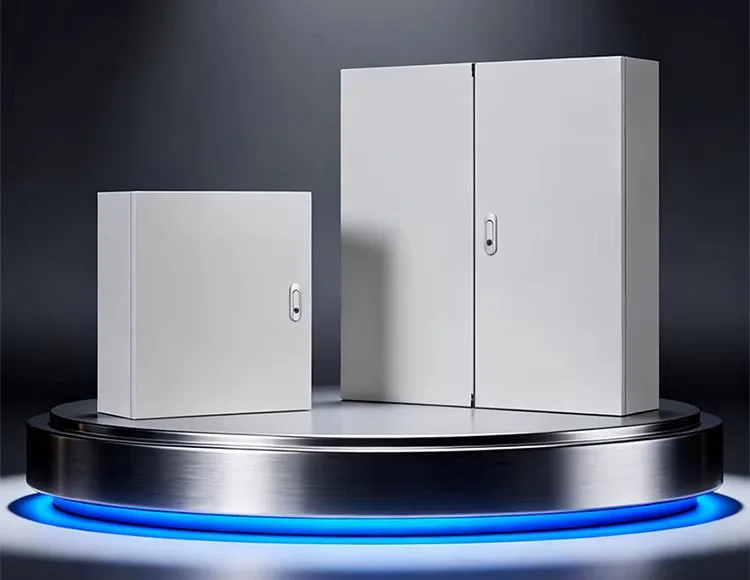
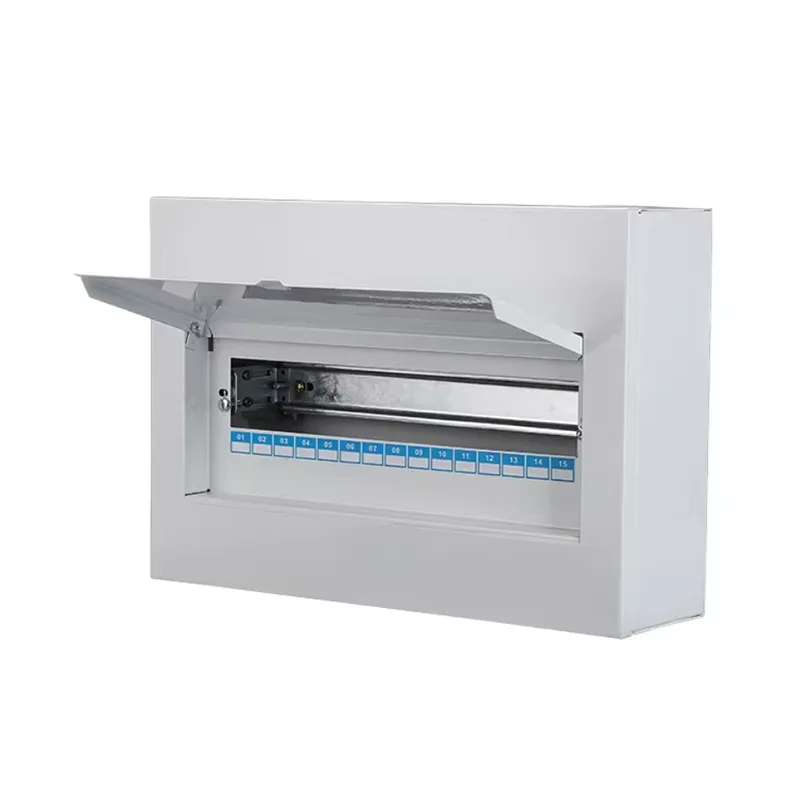
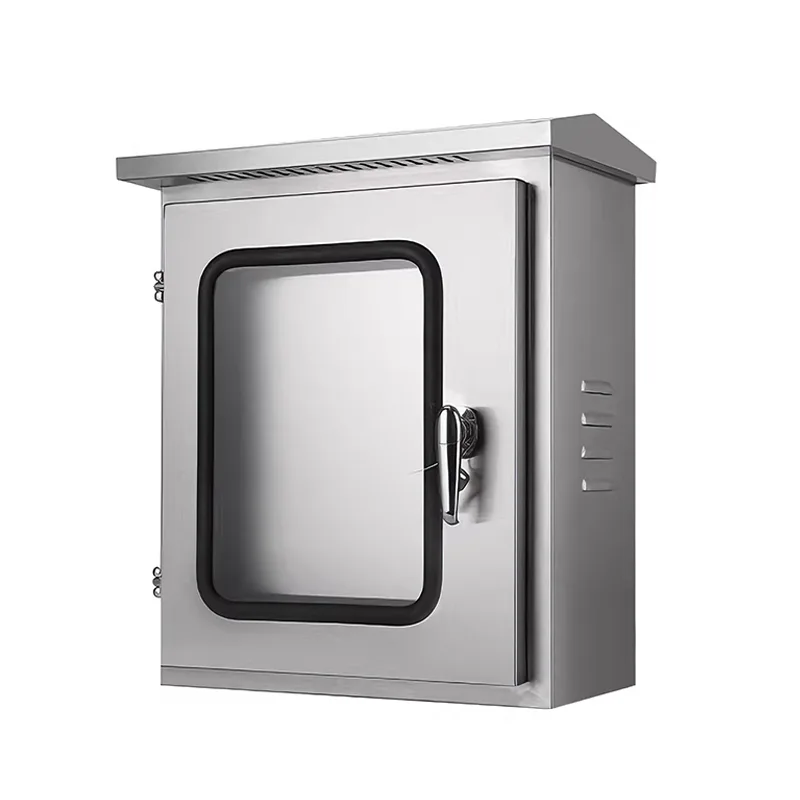
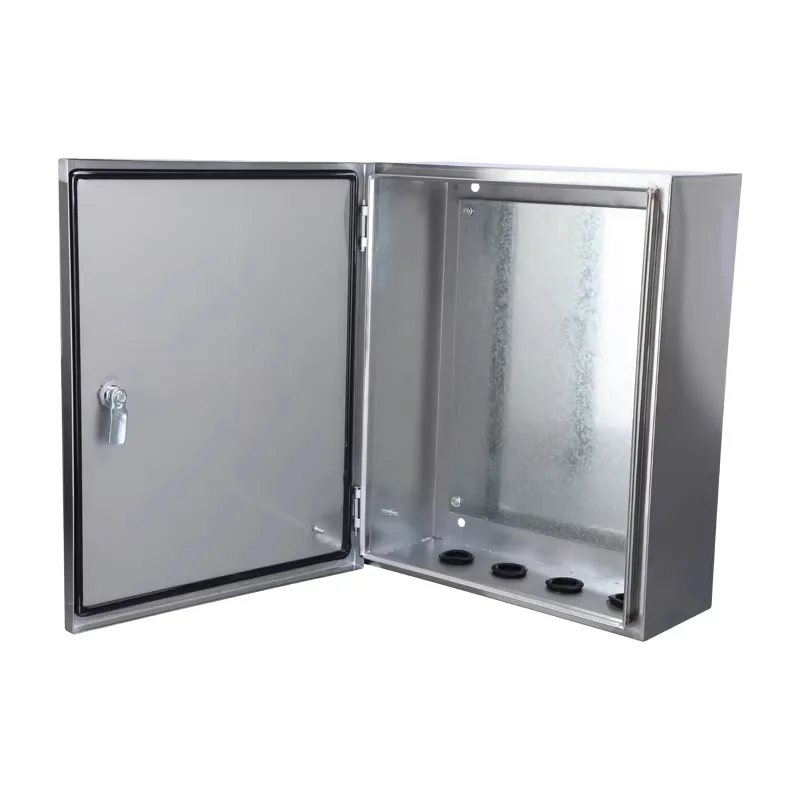
As its name suggests, this type of enclosure is designed to be fixed directly to a wall or another suitable vertical structure. It can accommodate circuit breakers, distribution terminals, busbars, switches, protection devices, meters, and associated wiring. The metal housing forms a physical barrier around the electrical equipment and helps create a cleaner, more controlled installation.
For commercial buildings, workshops, factories, utility areas, machine rooms, warehouses, and infrastructure projects, wall-mounted distribution boxes can simplify electrical organization while reducing exposure to accidental impact, dust, and unauthorized access.
Important: The enclosure itself does not replace appropriate circuit protection, grounding, wiring practices, or applicable electrical standards. The complete electrical installation should be designed and installed by qualified professionals.
Why Electrical Distribution Enclosures Matter
An electrical distribution system can contain multiple energized conductors and protection devices in a relatively small area. Without an appropriate enclosure, these components may be exposed to physical damage, dust, moisture, accidental contact, and disorganized wiring.
A properly selected enclosure addresses several practical concerns at the same time. First, it creates a physical separation between electrical components and surrounding personnel or equipment. Second, it provides a defined space for routing and terminating cables. Third, it helps technicians identify and access components during inspection or service.
Good enclosure design can also contribute to easier troubleshooting. When breakers, terminal blocks, labels, and cables are logically arranged, technicians spend less time searching for individual circuits and can work more systematically.
- Physical protection: Helps shield internal electrical components from external impact.
- Accidental-contact protection: Keeps energized parts enclosed during normal operation.
- Wiring organization: Provides a structured area for circuit distribution and cable management.
- Maintenance access: Allows authorized technicians to inspect and service internal components.
- Installation flexibility: Wall mounting can save valuable floor and equipment space.
Key Construction Features
The performance of a wall-mounted enclosure depends heavily on its construction. Buyers should evaluate more than external appearance. Material thickness, surface treatment, door design, mounting structure, cable-entry arrangements, and internal space can all affect practical performance.
| Feature | Purpose | What Buyers Should Check |
|---|---|---|
| Metal enclosure | Provides mechanical protection | Material, thickness, rigidity, finish |
| Door and cover | Controls access to internal components | Hinges, locking mechanism, opening angle |
| Mounting points | Secures the box to the wall | Hole layout, mounting strength, compatibility |
| Cable entries | Supports orderly cable routing | Entry location, available space, gland compatibility |
| Surface coating | Helps protect the metal surface | Coating quality and environmental suitability |
Depending on the application, manufacturers may use steel, stainless steel, or other metal constructions. Steel is widely used where strength and cost efficiency are important, while stainless steel can be advantageous in applications where corrosion resistance is a greater concern.
Main Benefits in Electrical Installations
1. Strong Mechanical Protection
Metal provides a robust barrier around internal electrical components. In workshops, industrial facilities, machinery areas, and commercial buildings, equipment can be exposed to accidental knocks or contact with tools. A rigid enclosure can provide an additional layer of protection against such external hazards.
2. Better Wiring Organization
Distribution boxes provide a designated space for arranging incoming and outgoing circuits. Proper internal organization reduces unnecessary cable crossing and makes circuit identification easier. This becomes increasingly important as the number of circuits increases.
3. Easier Inspection and Maintenance
A well-designed door and internal layout allow qualified technicians to access breakers, terminals, and other devices without dismantling unrelated equipment. This can make routine inspection and fault diagnosis more efficient.
4. Efficient Use of Space
Wall mounting keeps the distribution equipment above the floor and can be particularly useful in compact electrical rooms, workshops, retail facilities, and production areas where floor space is limited.
5. Adaptability to Different Projects
Distribution enclosures are available in different dimensions and configurations. Depending on project requirements, a box may be designed for a small number of circuits or a larger arrangement containing multiple protection and distribution components.
How to Select a Suitable Distribution Box
Choosing an enclosure based only on price or external dimensions can lead to problems during installation. The box should match the electrical equipment, installation environment, cable arrangement, and future maintenance requirements.
- Determine the internal equipment. List the breakers, terminals, meters, busbars, switches, and other devices that need to be installed.
- Calculate the required internal space. Allow sufficient room for wiring, component spacing, heat dissipation, and future servicing.
- Consider the installation environment. Indoor, outdoor, dusty, humid, corrosive, and industrial locations may require different enclosure characteristics.
- Check protection requirements. Verify the enclosure's applicable ingress and protection ratings for the intended environment.
- Review mounting dimensions. Confirm that the mounting holes and external dimensions are compatible with the installation location.
- Evaluate cable-entry options. Make sure incoming and outgoing cables can be routed without excessive bending or crowding.
- Consider grounding and bonding. Where required by the system design and applicable regulations, the metal enclosure should be properly bonded and grounded.
- Plan for maintenance. Ensure that technicians will have practical access to internal components after installation.
Purchasing Tip: Before placing a bulk order, request dimensional drawings, material information, mounting details, protection specifications, and customization options from the manufacturer. This can help prevent costly compatibility problems after delivery.
Typical Applications
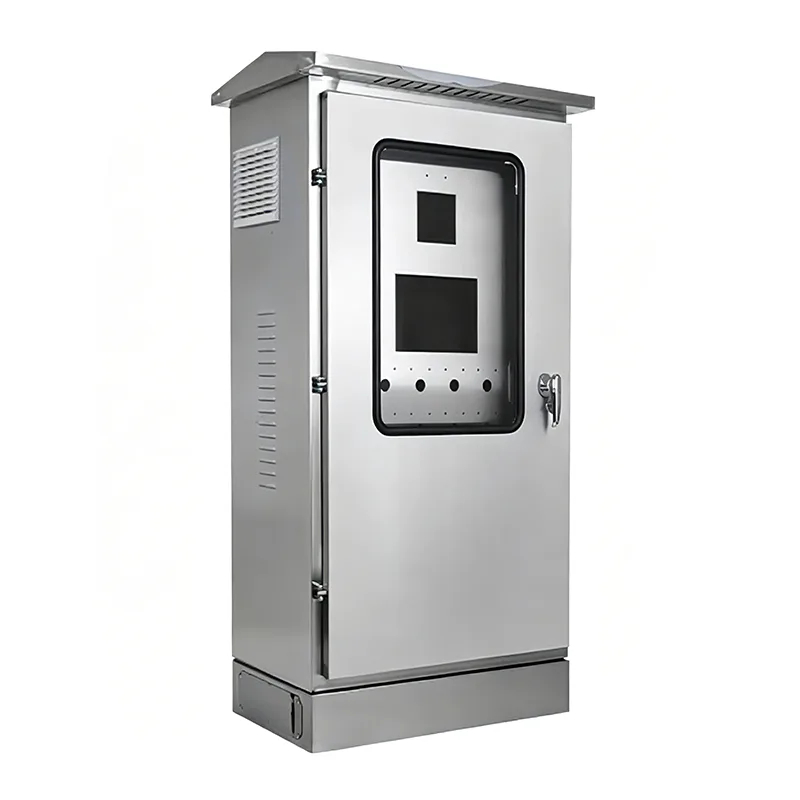
A Wall Mounted Metal Electrical Distribution Box can serve a broad range of electrical distribution requirements. Its compact vertical configuration makes it suitable for locations where electrical equipment needs to remain accessible without occupying valuable floor space.
| Application | Typical Requirement |
|---|---|
| Factories and workshops | Protection and distribution near machinery or production areas |
| Commercial buildings | Organized distribution for lighting and power circuits |
| Warehouses | Space-efficient electrical equipment installation |
| Infrastructure projects | Centralized protection and circuit distribution |
| Machine control areas | Protection and organization of electrical components |
Installation and Wiring Considerations
Correct installation is just as important as selecting a quality enclosure. Before mounting the box, installers should verify the wall structure, equipment dimensions, cable routes, access clearance, and environmental conditions.
The enclosure should be securely fixed using suitable hardware for the mounting surface. Cable entries should be planned to avoid sharp bends, excessive tension, or unnecessary openings. Unused openings should be handled appropriately according to the enclosure design and applicable installation requirements.
Internal devices should be arranged so that conductors can be terminated neatly and safely. Circuit identification should be clear and durable, especially when several similar circuits are present.
For metal enclosures, grounding and bonding requirements deserve particular attention. The electrical system should follow the applicable local regulations and project specifications, and all work involving energized electrical equipment should be performed by qualified personnel.
Maintenance and Service Practices
Even a durable enclosure needs periodic inspection. Maintenance schedules should be determined according to the installation environment, operating conditions, equipment manufacturer's recommendations, and applicable electrical regulations.
- Inspect the enclosure for corrosion, deformation, or physical damage.
- Check doors, hinges, locks, seals, and mounting hardware.
- Look for signs of overheating, loose connections, or abnormal discoloration.
- Keep the enclosure clean and prevent unnecessary accumulation of dust or debris.
- Verify that circuit labels remain readable.
- Check cable entries and glands for deterioration or damage.
- Inspect grounding and bonding connections where applicable.
- Document maintenance findings and corrective actions.
Regular maintenance can help identify small problems before they develop into more expensive electrical or mechanical failures.
Metal Distribution Box vs. Other Enclosure Materials
Different enclosure materials have different strengths. The best choice depends on the environment and project requirements rather than a single universal rule.
| Consideration | Metal Enclosure | Non-Metallic Enclosure |
|---|---|---|
| Mechanical strength | Generally strong and rigid | Depends strongly on material |
| Corrosion considerations | Requires suitable material or coating for corrosive environments | Some materials offer inherent corrosion resistance |
| Electrical bonding | Grounding and bonding may be incorporated into the installation design | Different grounding considerations apply |
| Industrial use | Often suitable for demanding environments | Depends on material and application |
Frequently Asked Questions
What is a Wall Mounted Metal Electrical Distribution Box?
It is a metal enclosure designed to be mounted on a wall or vertical structure and used to house and organize electrical distribution components such as circuit breakers, terminals, busbars, switches, and related wiring.
Why use metal for an electrical distribution enclosure?
Metal can provide strong mechanical protection and a rigid structure for electrical components. Depending on the material and design, it can also support grounding and bonding arrangements required by the electrical system.
Can a wall-mounted distribution box be used outdoors?
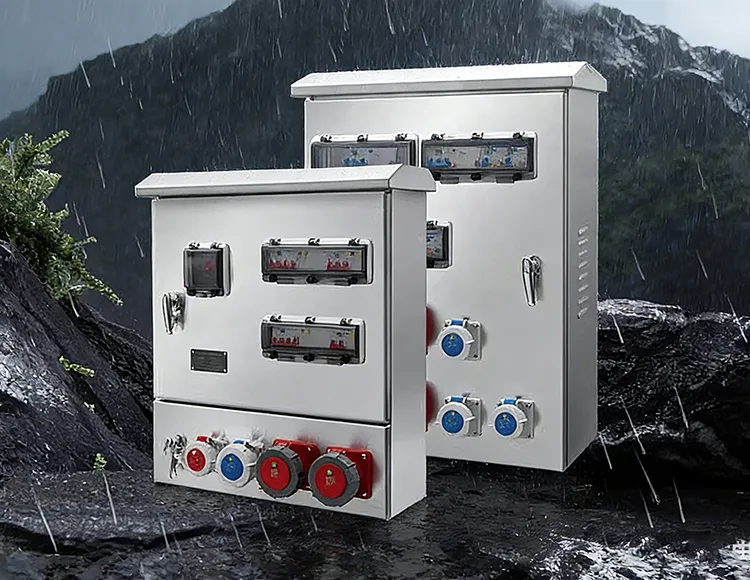
Some models can be suitable for outdoor applications, but suitability depends on enclosure construction, sealing, material, surface treatment, protection rating, installation method, and local environmental conditions. An indoor enclosure should not automatically be assumed to be suitable outdoors.
How much internal space should a distribution box have?
The required space depends on the number and dimensions of internal devices, wiring requirements, cable bending space, heat management, and future maintenance needs. Avoid selecting an enclosure that is just large enough for the components without considering wiring and service access.
Can the enclosure be customized?
Many manufacturers can provide customization such as different dimensions, mounting holes, cable-entry arrangements, internal mounting plates, door configurations, finishes, and component layouts. Customization should be confirmed against the project drawings and technical requirements.
What information should I provide when requesting a quotation?
Useful information includes required external dimensions, internal components, number of circuits, installation environment, material preference, protection requirements, cable-entry locations, mounting method, quantity, and any required customization.
Final Thoughts
A Wall Mounted Metal Electrical Distribution Box is more than a simple metal cabinet. When correctly specified and installed, it provides a structured environment for electrical distribution equipment while helping address physical protection, wiring organization, accessibility, and space-management requirements.
The most effective purchasing decision starts with the actual application. Buyers should evaluate enclosure dimensions, material, protection characteristics, cable entry, mounting requirements, internal layout, maintenance access, and environmental conditions before selecting a model. For projects with special requirements, working directly with an experienced manufacturer can also make it easier to confirm drawings, customization options, production details, and quality expectations.
Need a Reliable Electrical Distribution Enclosure?
Wenzhou Shangming Electric Co., Ltd. can support customers looking for practical electrical distribution enclosure solutions for different installation requirements. If you need product specifications, dimensions, customization information, or assistance with your project requirements, contact us to discuss your application and receive professional support.
Contact us today to discuss your Wall Mounted Metal Electrical Distribution Box requirements.
Related News
- What Makes a Carbon Steel Distribution Box Enclosure Reliable for Modern Power Systems?
- How Does a Stainless Steel Distribution Cabinet Improve Electrical Safety and System Performance?
- Why Stainless Steel Distribution Box Enclosure Is Essential for Reliable Power Distribution Systems?
- Why Is a Galvanized Steel Distribution Box Enclosure Essential for Reliable Electrical Protection?
- Why Is Waterproof Distribution Box Enclosure Essential for Modern Electrical Protection?
- Why Is a Weatherproof Electrical Distribution Cabinet Essential for Modern Power Systems?
Leave me a message