English
- English
- Español
- Português
- русский
- Français
- 日本語
- Deutsch
- tiếng Việt
- Italiano
- Nederlands
- ภาษาไทย
- Polski
- 한국어
- Svenska
- magyar
- Malay
- বাংলা ভাষার
- Dansk
- Suomi
- हिन्दी
- Pilipino
- Türkçe
- Gaeilge
- العربية
- Indonesia
- Norsk
- تمل
- český
- ελληνικά
- український
- Javanese
- فارسی
- தமிழ்
- తెలుగు
- नेपाली
- Burmese
- български
- ລາວ
- Latine
- Қазақша
- Euskal
- Azərbaycan
- Slovenský jazyk
- Македонски
- Lietuvos
- Eesti Keel
- Română
- Slovenski
- मराठी
- Srpski језик

Why Single Door Wall Mounted Electrical Enclosure Matters in Modern Power Distribution
Modern power distribution systems must accommodate changing electrical loads, increasingly distributed control equipment, and stricter requirements for safe operation and maintenance. Commercial buildings, industrial facilities, infrastructure projects, and automated production lines all depend on electrical equipment that can be installed, accessed, and maintained within clearly organized layouts. As these systems evolve, enclosure design remains an important part of electrical infrastructure planning.
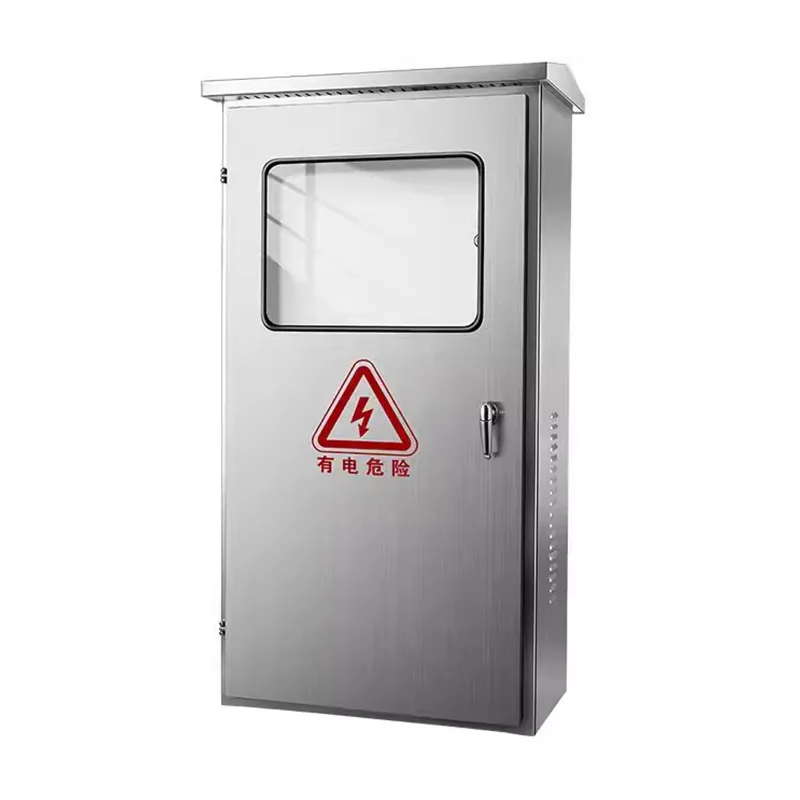
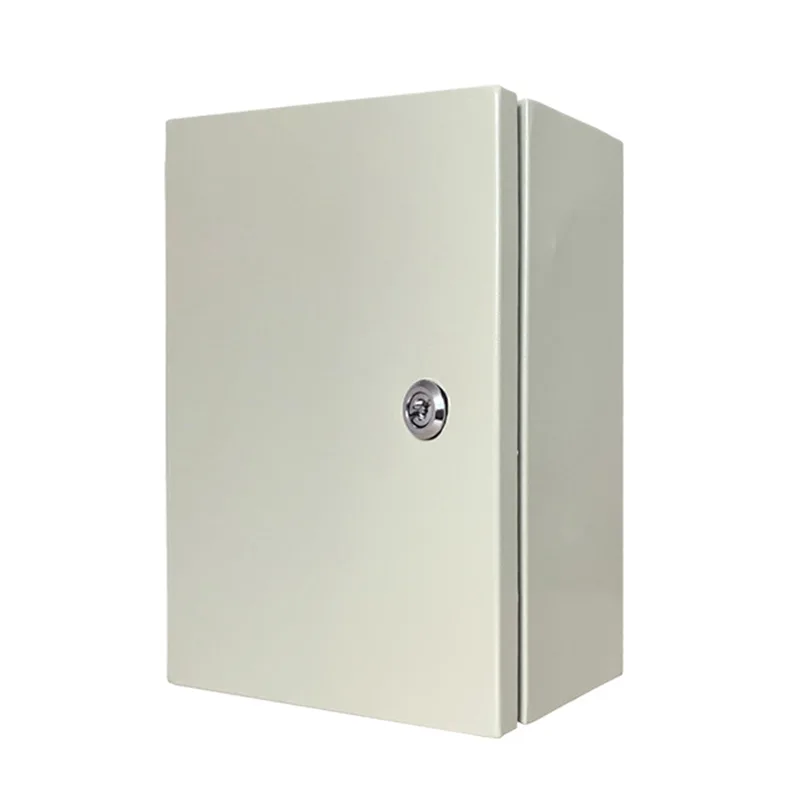
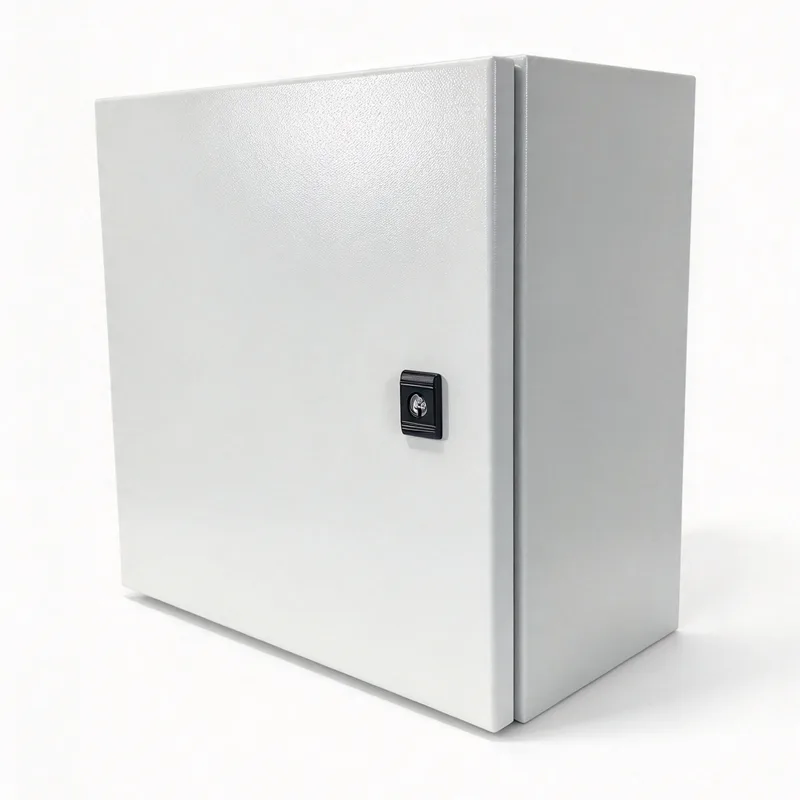
Although electrical enclosures are often considered secondary to circuit breakers, contactors, terminal blocks, and control devices, their structure directly influences equipment arrangement, wiring access, environmental protection, and maintenance procedures. The Single Door Wall Mounted Electrical Enclosure is one enclosure format used where electrical components require dedicated housing without the floor-space demands of a larger cabinet.
Changing Requirements in Modern Power Distribution
Power distribution is no longer limited to delivering electricity from a central supply point to downstream circuits. Many installations now incorporate local distribution boards, motor controls, monitoring devices, communication interfaces, and automation equipment. These components support functions such as load management, equipment monitoring, lighting control, and production-line operation.
This development creates practical challenges for electrical system designers. Equipment must fit within available installation areas while leaving adequate room for cable routing, heat dissipation, inspection, and servicing. In facilities with multiple electrical control points, the placement of each enclosure can influence cable lengths, installation complexity, and access during maintenance.
The choice of enclosure therefore forms part of the wider distribution design. Wall-mounted formats can accommodate selected local control and distribution arrangements where wall space is available and the equipment does not require a large floor-standing cabinet. Their suitability depends on the electrical assembly, component dimensions, installation environment, and applicable safety requirements.
Wall-Mounted Design and Space Utilization
Floor space is a valuable resource in factories, commercial buildings, utility rooms, and equipment areas. Large distribution cabinets remain necessary for many applications, particularly where high circuit density or substantial electrical equipment requires greater internal volume. Smaller control assemblies, however, may be installed closer to the equipment they serve.
A wall-mounted enclosure can keep selected electrical components off the floor and establish a defined installation point. In a production facility, this arrangement may be suitable for local machine controls or auxiliary distribution equipment. In a commercial building, it may accommodate certain lighting controls, service circuits, or building automation components.
Space savings alone do not determine the best mounting arrangement. Wall strength, mounting hardware, equipment weight, cable-entry locations, door-opening clearance, and access for qualified personnel all affect installation planning. The enclosure must also be positioned so that it does not obstruct walkways, emergency routes, or other building services.
Enclosure Structure Supports Electrical Organization
A well-planned electrical installation requires more than sufficient space to fit its components. Circuit breakers, terminal blocks, relays, power supplies, and control devices need an organized internal layout that supports safe wiring and efficient inspection. Poor component placement can make connections difficult to trace and increase the time required for troubleshooting.
A single-door configuration provides one primary access opening to the enclosure interior. This arrangement can simplify access to internal components in compact installations, particularly where the equipment layout is relatively straightforward. Hinge position, door swing, locking arrangements, mounting-plate dimensions, and usable internal depth all influence how effectively the available space can be used.
The Single Door Wall Mounted Electrical Enclosure can serve as a physical housing for selected electrical assemblies, but its internal capacity must correspond to the equipment being installed. Designers need to account for cable bend radius, wiring ducts, terminal access, conductor segregation, grounding connections, and space for future maintenance. A compact exterior should not result in an overcrowded interior.
Electrical Safety Depends on the Complete Installation
Electrical safety is determined by the coordination of components, protective devices, enclosure construction, installation methods, and operating procedures. An enclosure helps separate electrical equipment from the surrounding environment and can reduce exposure to accidental contact when properly designed and installed. However, the enclosure by itself does not provide complete protection against every electrical or environmental hazard.
Protection against dust and water ingress is particularly relevant where electrical equipment operates in workshops, plant rooms, service corridors, or outdoor locations. The required ingress protection rating depends on the installation conditions and the level of exposure. Door seals, cable glands, entry openings, fasteners, and assembly workmanship can affect the protection achieved by the completed installation.
Grounding and bonding arrangements must also be appropriate for the enclosure construction and applicable electrical requirements. Metal enclosures may require protective bonding to maintain electrical continuity, while other construction materials have different design considerations. Overcurrent protection, conductor sizing, insulation, working clearances, and safe isolation remain essential parts of the overall system.
Thermal Management in Compact Distribution Assemblies
As electrical systems become more compact, heat management becomes an increasingly important design consideration. Circuit protection devices, switching components, transformers, power supplies, and other equipment can generate heat during operation. When several devices operate within a restricted enclosure volume, the accumulated heat may raise internal temperatures.
Excessive temperature can affect component performance, operating life, and the stability of sensitive electronic equipment. Thermal planning should therefore consider the expected electrical load, component losses, ambient temperature, enclosure dimensions, mounting position, and available heat-dissipation paths.
Ventilation openings can help manage heat in suitable environments, but they may also affect protection against dust and moisture. Where environmental protection must be maintained, alternative thermal management approaches may be necessary. The appropriate design depends on the installed components and operating conditions rather than on enclosure format alone.
Maintenance Access and Long-Term Operational Efficiency
Maintenance requirements often influence enclosure selection as much as the initial installation cost or footprint. Electrical technicians need to identify circuits, inspect connections, replace components, and investigate faults without unnecessary obstruction. An accessible enclosure layout can support these tasks and reduce the time spent locating individual devices.
Clear labels, updated circuit schedules, wiring diagrams, and consistent terminal identification are important across installations of every size. These practices become particularly valuable in facilities where electrical systems are maintained by different teams or modified over several years. Organized internal wiring also helps technicians understand the relationship between incoming supplies, protective devices, control circuits, and connected equipment.
The Single Door Wall Mounted Electrical Enclosure can support routine access where its position and internal arrangement allow the door to open fully and the installed equipment to be reached safely. Maintenance planning should include sufficient working clearance, suitable isolation procedures, and a layout that permits inspection without disturbing unrelated wiring.
Standards and Verification in Low-Voltage Distribution
Low-voltage distribution assemblies are subject to technical and safety requirements that vary with their intended use, configuration, and installation location. The IEC 61439 series addresses low-voltage switchgear and controlgear assemblies, including requirements relating to construction, technical characteristics, and verification. IEC 61439-1 provides general rules, while other parts address specific assembly types and applications.
An empty enclosure and a completed electrical assembly are not equivalent from a compliance perspective. Conformity depends on the relevant product category, the components installed, the assembly design, and the applicable verification procedures. A housing should not be assumed to establish compliance for the complete distribution system merely because it accommodates electrical equipment.
Design documentation, component ratings, temperature-rise considerations, protective measures, and installation instructions all contribute to a properly engineered assembly. Local electrical codes and project specifications may introduce additional requirements, particularly in industrial facilities, public buildings, and specialized infrastructure.
The Continuing Role of Wall-Mounted Enclosures
Modern power distribution combines centralized supply equipment with smaller assemblies positioned near the loads and systems they serve. This arrangement can improve the organization of local controls and supporting circuits, provided that each installation is designed around its electrical requirements and operating environment.
The Single Door Wall Mounted Electrical Enclosure remains relevant where a compact, accessible housing is appropriate for the intended equipment. Its role is practical rather than technological: it provides a physical structure for organizing and protecting selected electrical components within a larger distribution architecture.
As electrical infrastructure continues to develop, enclosure selection will remain connected to several fundamental engineering priorities: efficient use of space, safe access, suitable environmental protection, thermal performance, clear wiring organization, and maintainability. These factors help determine whether an enclosure format fits a particular installation and how effectively the completed electrical system can be operated over its service life.
Previous :
-
Related News
- How Single Door Wall Mounted Electrical Enclosure Supports Smart Building Growth
- What Makes a Carbon Steel Distribution Box Enclosure Reliable for Modern Power Systems?
- How Does a Wall Mounted Metal Electrical Distribution Box Improve Electrical Safety?
- How Does a Stainless Steel Distribution Cabinet Improve Electrical Safety and System Performance?
- Why Stainless Steel Distribution Box Enclosure Is Essential for Reliable Power Distribution Systems?
- Why Is a Galvanized Steel Distribution Box Enclosure Essential for Reliable Electrical Protection?
Leave me a message