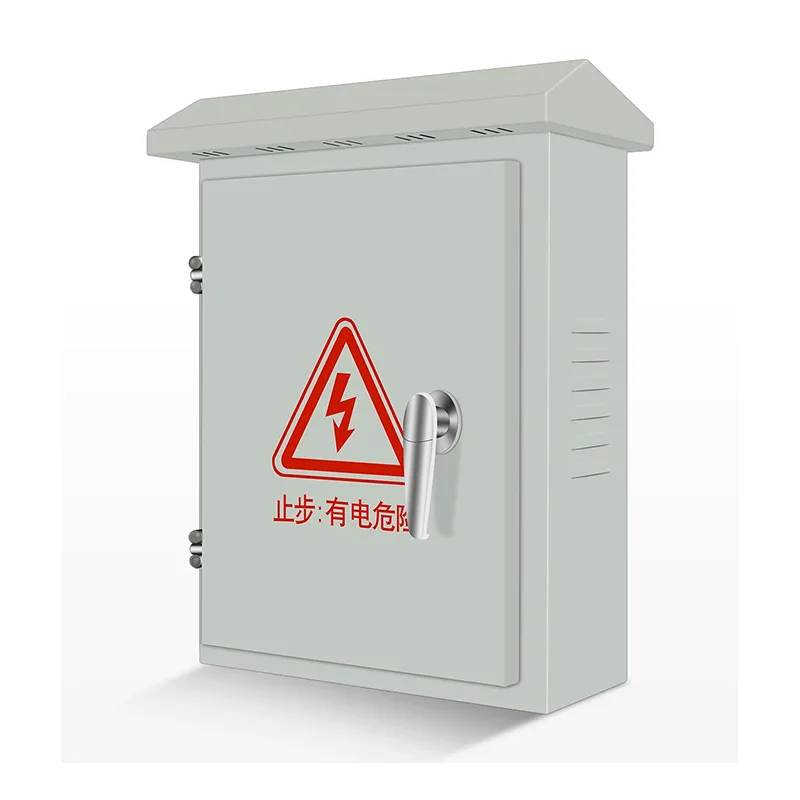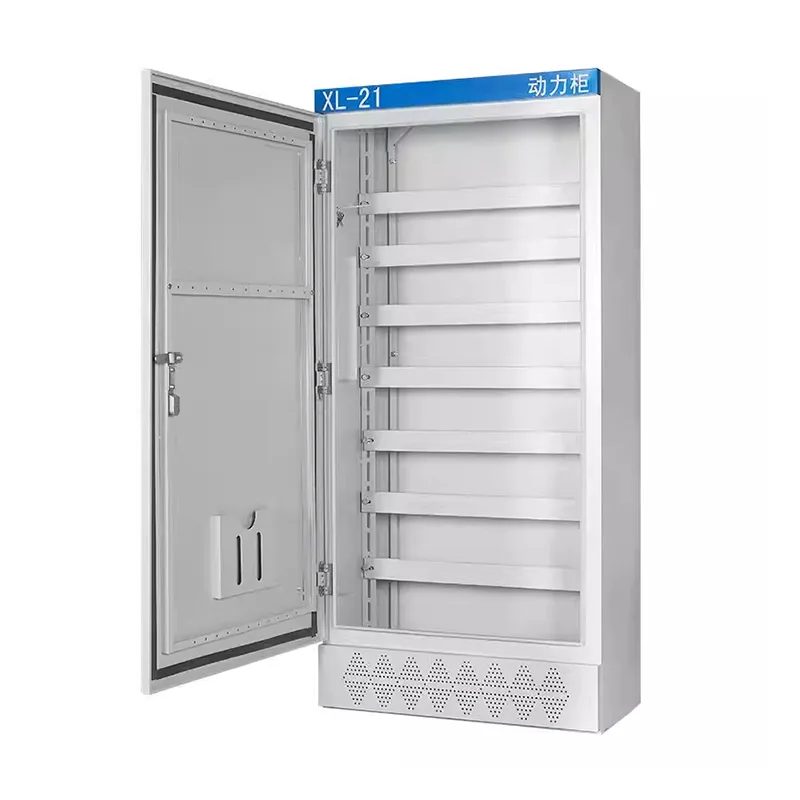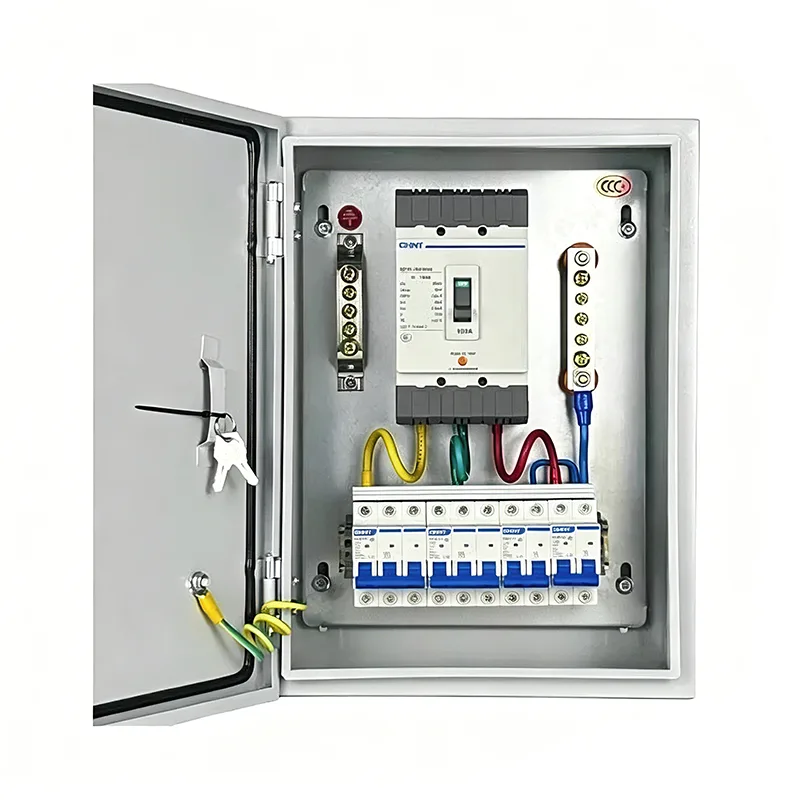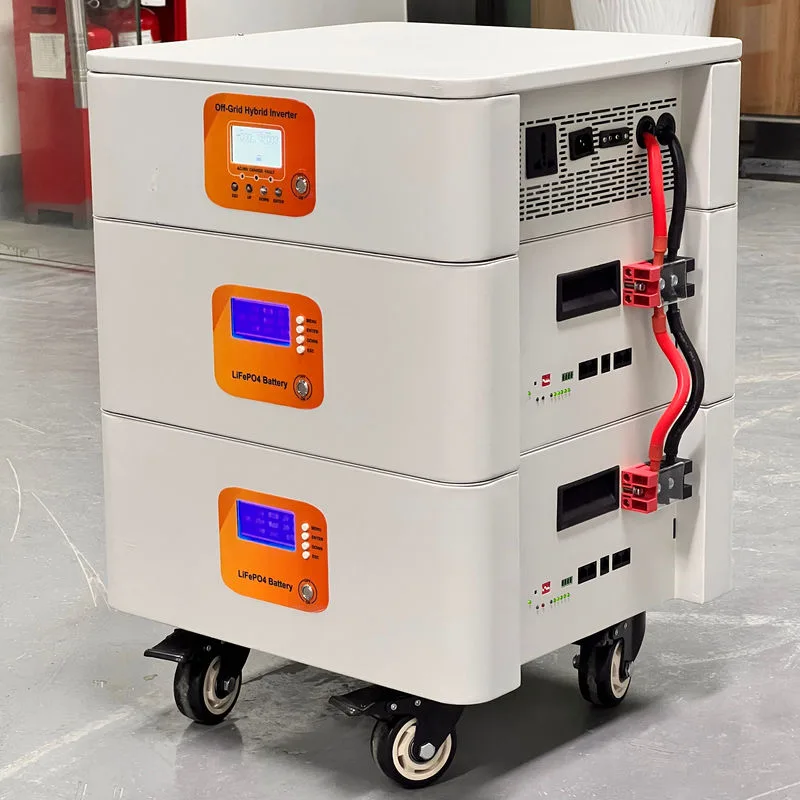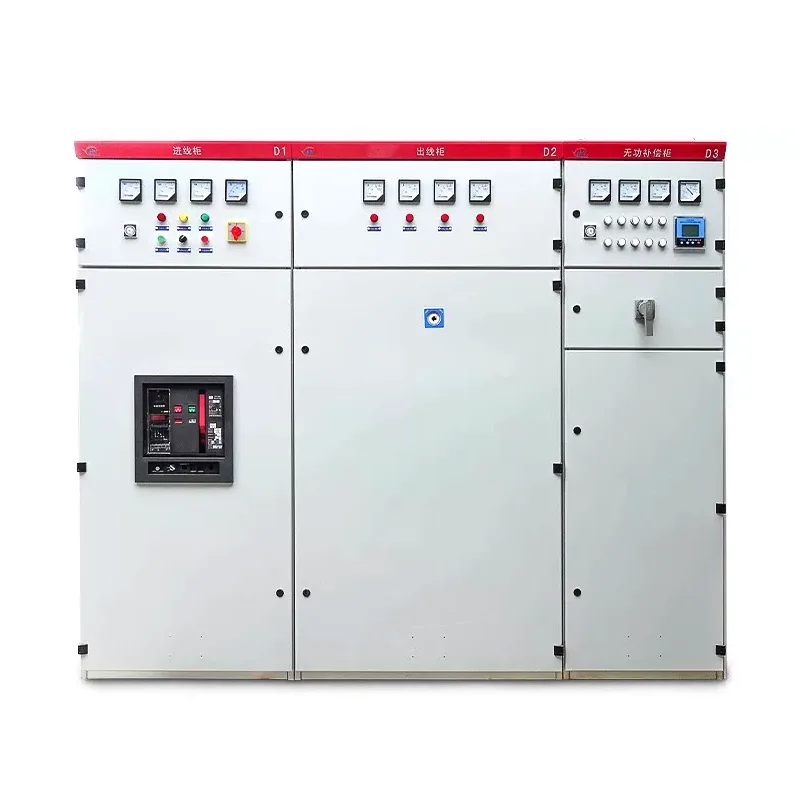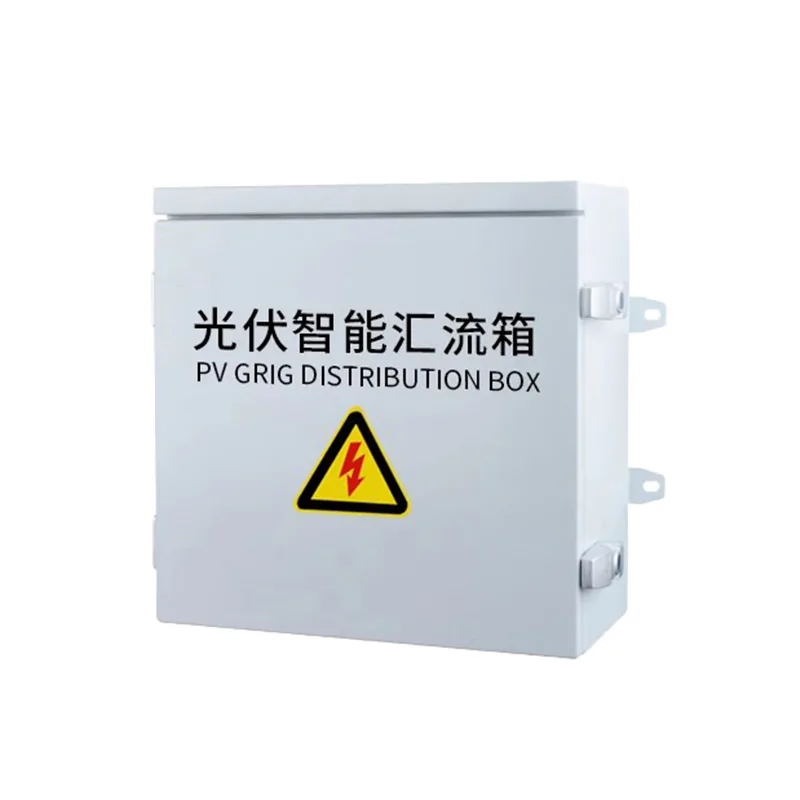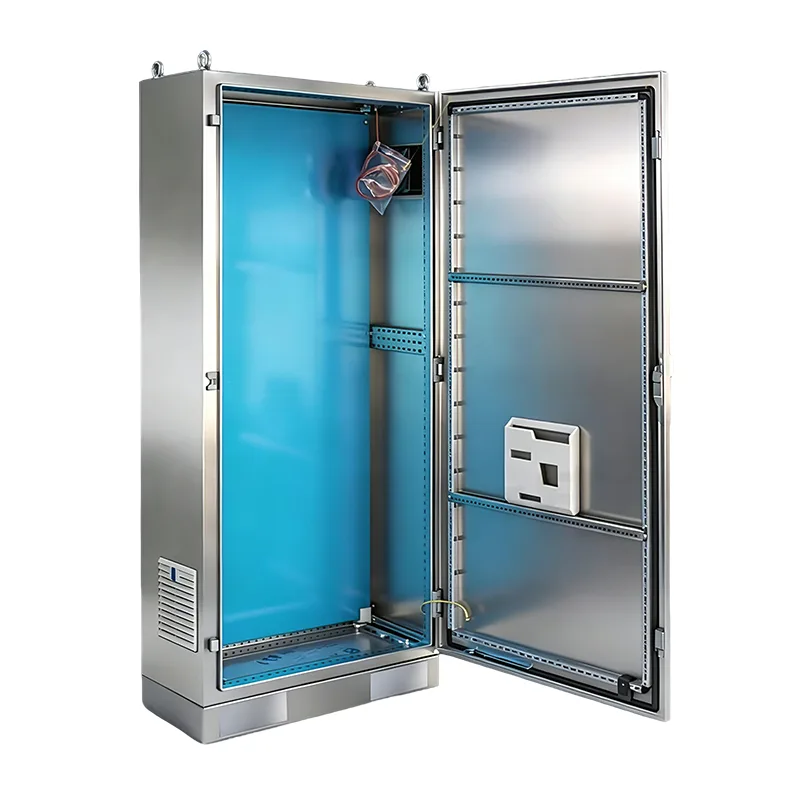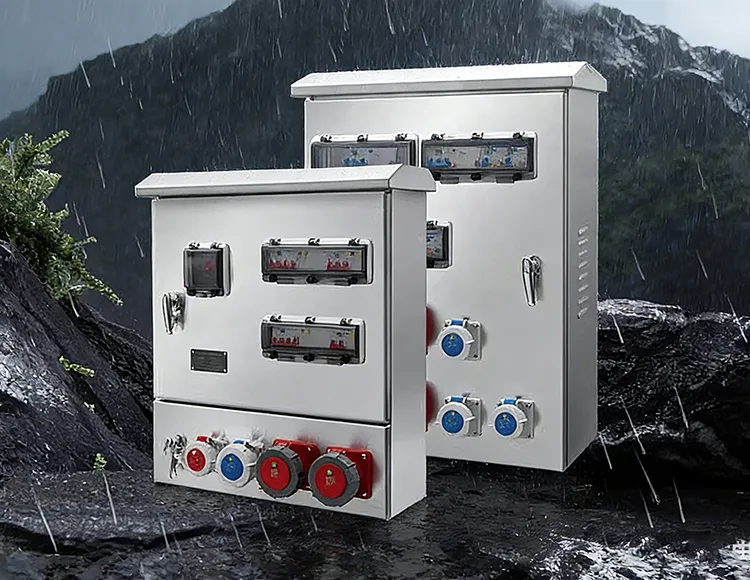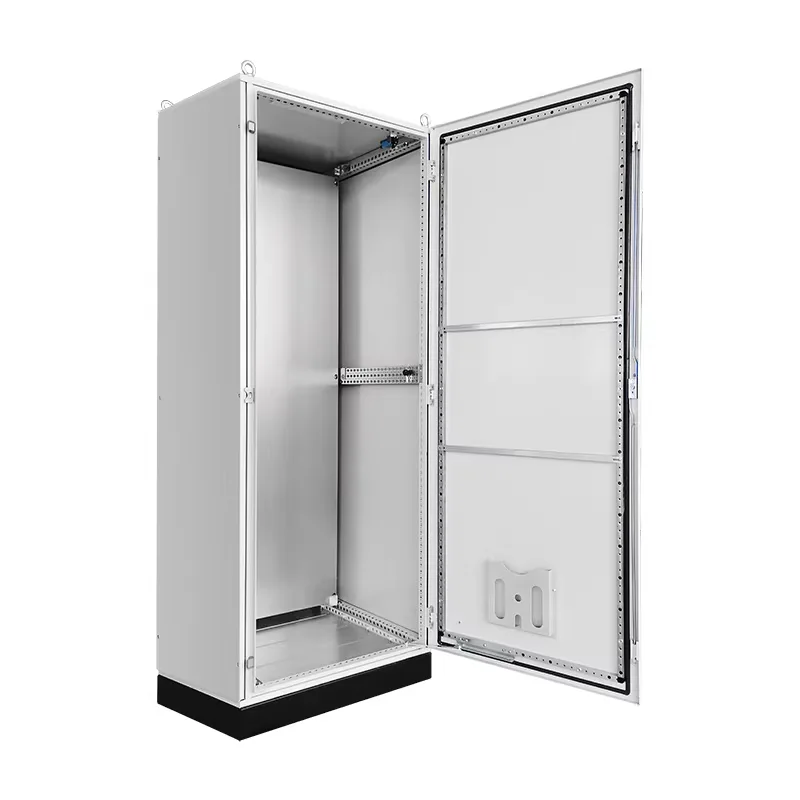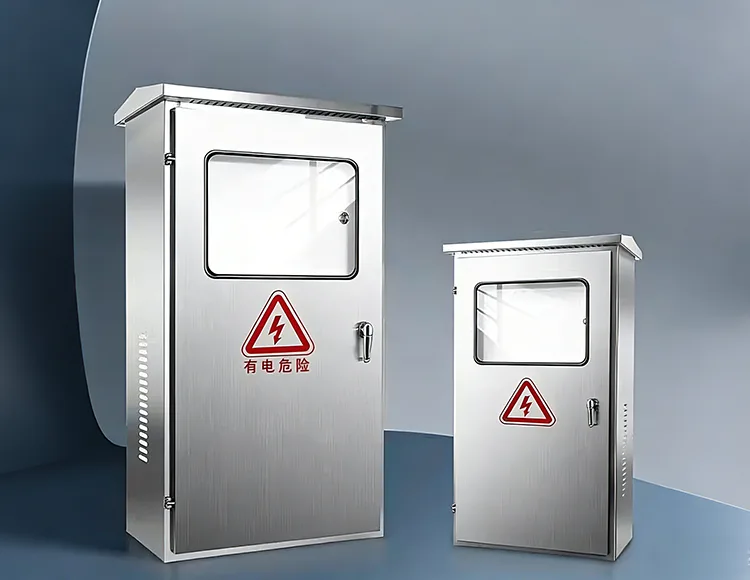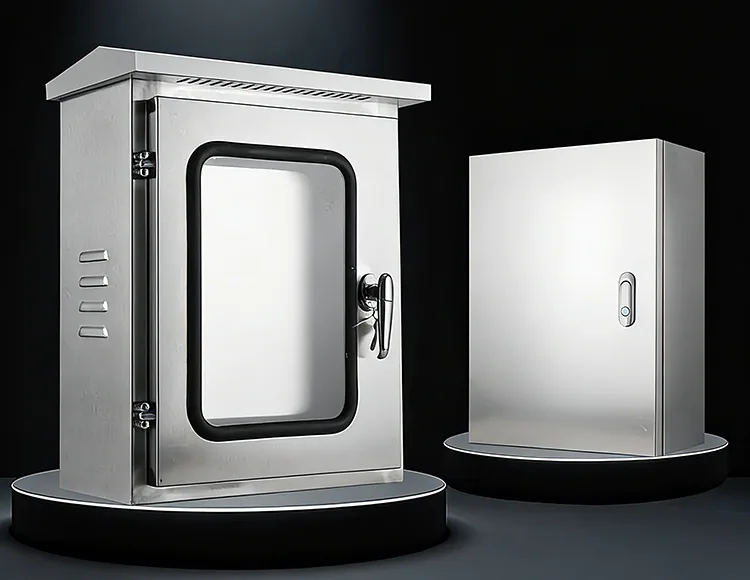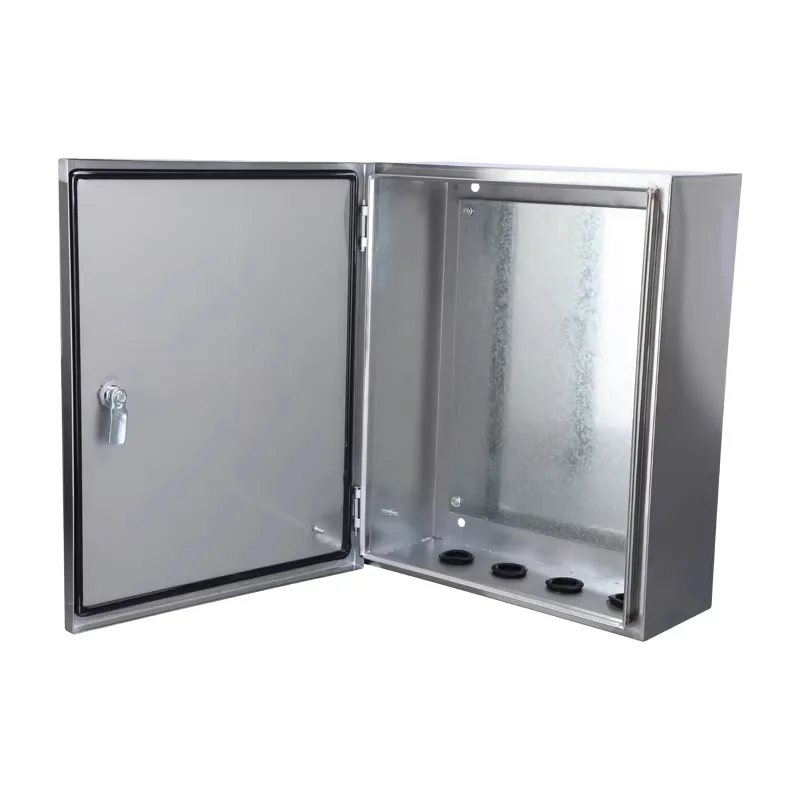

A distribution box enclosure is more than a metal shell around electrical components. It is a structural and protective part of a power distribution system, influencing equipment safety, installation efficiency, environmental resistance, maintenance access, and long-term reliability. For industrial plants, commercial buildings, infrastructure projects, renewable energy installations, and other demanding applications, a properly engineered Carbon Steel Distribution Box Enclosure can provide a practical combination of mechanical strength, flexibility, and cost efficiency.
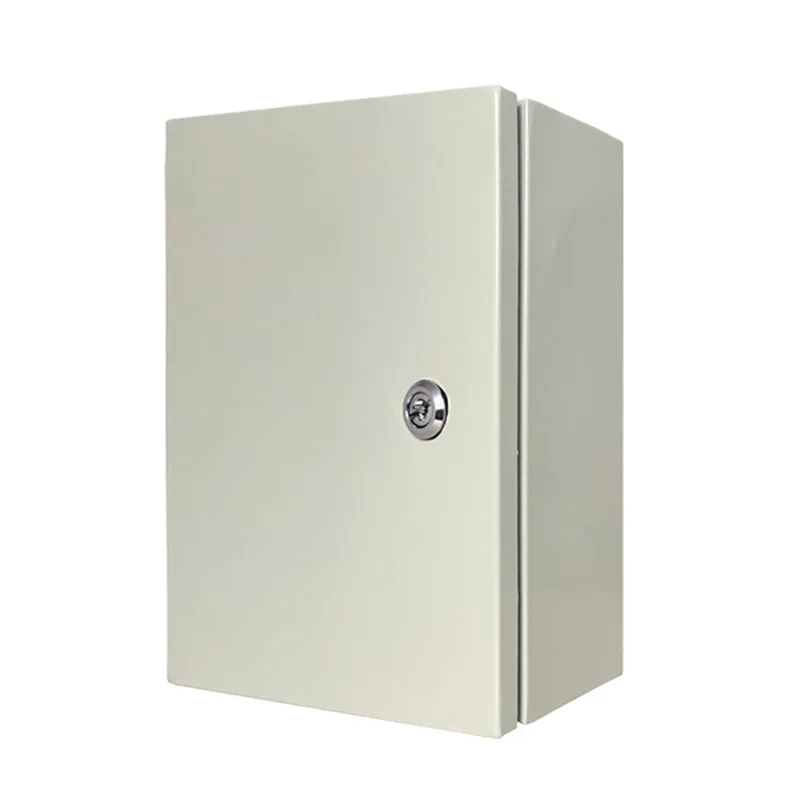
This guide explains the construction, protection functions, material considerations, thermal management, installation requirements, customization possibilities, and application scenarios of carbon steel distribution box enclosures. It also provides a practical specification checklist to help engineers, electrical contractors, system integrators, and purchasing teams avoid common enclosure-selection problems and build a more dependable electrical distribution solution.
- 1. Understanding the Carbon Steel Distribution Box Enclosure
- 2. How the Enclosure Protects Electrical Components
- 3. Why Carbon Steel Is Widely Used
- 4. Key Design Features That Affect Reliability
- 5. Protection Ratings and Environmental Conditions
- 6. Thermal Management and Internal Space
- 7. Installation and Maintenance Considerations
- 8. Common Industrial and Commercial Applications
- 9. Carbon Steel vs. Other Enclosure Materials
- 10. Customization for Different Projects
- 11. Practical Purchasing Checklist
- 12. Why Manufacturing Capability Matters
- 13. Frequently Asked Questions
- 14. Final Considerations
1. Understanding the Carbon Steel Distribution Box Enclosure
A Carbon Steel Distribution Box Enclosure is a protective housing designed to contain and organize electrical distribution components such as circuit breakers, terminals, meters, contactors, busbars, relays, and other devices. The enclosure creates a defined physical boundary between energized components and the surrounding operating environment.
In practical applications, the enclosure needs to perform several functions simultaneously. It must provide mechanical protection, support internal electrical components, allow appropriate cable routing, facilitate inspection and maintenance, and help limit the effects of dust, moisture, accidental contact, and external impact.
The exact construction depends on the application. Indoor distribution systems may prioritize compact dimensions and easy installation, while outdoor or industrial projects can require stronger sealing, corrosion protection, cable-entry solutions, weather resistance, and improved thermal management.
2. How the Enclosure Protects Electrical Components
Electrical components can be affected by mechanical impact, airborne dust, moisture, condensation, corrosive substances, temperature changes, and improper cable management. A well-designed enclosure addresses these risks through a combination of structural and functional elements.
The cabinet door, mounting plate, cable-entry system, sealing gasket, grounding arrangement, and locking mechanism all contribute to the overall performance of the enclosure. For example, the gasket around the door is important when a specified ingress protection level is required, while a reliable grounding point helps ensure that the metal enclosure can be incorporated into the protective grounding system.
Internal organization is equally important. Mounting rails and plates should provide sufficient space for electrical devices without creating excessive congestion. A cramped enclosure can make wiring difficult and may restrict airflow around heat-generating components.
- Enclosure body and reinforced panels
- Solid or transparent access door
- Removable mounting plate
- DIN rails or equipment mounting brackets
- Sealing gasket where environmental protection is required
- Grounding terminal or grounding bolt
- Knockouts or removable cable-entry plates
- Locks, hinges, handles, and other access hardware
3. Why Carbon Steel Is Widely Used
Carbon steel is widely used for electrical enclosures because it combines structural strength, manufacturability, and relatively efficient material cost. It can be cut, punched, bent, welded, coated, and configured into a wide variety of enclosure shapes.
The final performance, however, does not depend on the steel alone. Material thickness, fabrication quality, surface treatment, sealing, door construction, and installation conditions all influence the service performance of the finished enclosure.
For example, a carbon steel enclosure used in a dry electrical room may require a different surface treatment and protection configuration from one installed outdoors or in a humid industrial environment. The enclosure should therefore be designed around the actual operating conditions rather than simply selected according to appearance or nominal dimensions.
| Material / Construction | Typical Strength | Corrosion Consideration | Common Application Direction |
|---|---|---|---|
| Carbon Steel | High mechanical strength | Requires suitable coating or treatment | Industrial and commercial distribution |
| Galvanized Steel | Good structural performance | Improved resistance compared with untreated steel | Outdoor and general industrial applications |
| 304 Stainless Steel | High strength and durability | Strong corrosion resistance | Humid, clean, or demanding environments |
| 316 Stainless Steel | High structural and corrosion performance | Enhanced resistance in chloride-rich environments | Coastal, chemical, and highly corrosive environments |
4. Key Design Features That Affect Reliability
Buyers often focus on enclosure dimensions and price, but several less-visible design details can have a major effect on installation quality and long-term service.
Material thickness affects rigidity and load-bearing performance. A thicker panel can be advantageous where the enclosure must support heavier electrical equipment or withstand greater mechanical stress.
Door construction affects access, sealing, and maintenance. A properly aligned door with suitable hinges and locking hardware can provide consistent closure and easier servicing.
Cable entry should be considered before manufacturing. Top-entry, bottom-entry, removable gland plates, knockouts, and custom cutouts can all influence installation time and sealing performance.
Mounting space is another frequent source of problems. Internal components should not simply be packed into the smallest possible box. Adequate room should be allowed for wiring, heat dissipation, inspection, and future modifications.
- Overall width, height, and depth
- Mounting plate dimensions
- Component arrangement
- Cable entry and exit positions
- Door opening direction
- Required protection rating
- Grounding arrangement
- Ventilation or cooling requirements
- Wall-mounted or floor-standing installation
- Future expansion requirements
5. Protection Ratings and Environmental Conditions
The protection rating should be determined by the installation environment. An indoor electrical room generally has different requirements from an outdoor power distribution point, construction site, photovoltaic installation, or humid industrial plant.
IP ratings describe protection against the ingress of solid particles and water. For example, an IP65 enclosure is designed to be dust-tight and protected against water jets under the conditions defined by the applicable testing system. The complete enclosure configuration matters: door seals, cable glands, joints, covers, and other openings all contribute to the finished protection level.
| Environment | Key Concern | Design Direction |
|---|---|---|
| Clean Indoor Room | Accidental contact and mechanical protection | Compact enclosure with appropriate access protection |
| Industrial Workshop | Dust, moisture, impact, heat | Sealed construction and robust mounting |
| Outdoor Installation | Rain, sunlight, dust, condensation | Weather-resistant construction and appropriate sealing |
| Coastal or Corrosive Area | Salt and chemical exposure | Enhanced corrosion protection or stainless steel construction |
A common purchasing mistake is to treat the IP number as a property of the metal itself. In reality, protection performance depends on the complete assembled enclosure and its installation details. Cable-entry components and field modifications should therefore be considered as part of the overall design.
6. Thermal Management and Internal Space
Heat management is often overlooked when specifying a distribution enclosure. Electrical components generate heat during operation, and the temperature inside a closed enclosure can become higher than the surrounding ambient temperature.
The required approach depends on component power, enclosure size, ambient temperature, installation location, and the allowable operating temperature of the equipment inside.
For low-heat applications, natural heat dissipation may be adequate. Higher-load systems may require ventilation, cooling fans, heat exchangers, or other thermal management methods. Outdoor enclosures may also need design measures that reduce direct solar heating.
7. Installation and Maintenance Considerations
A good enclosure should not only protect electrical components after installation; it should also make installation and future maintenance easier.
Removable mounting plates can allow electrical components to be assembled before the plate is installed in the cabinet. Properly positioned cable-entry plates can simplify wiring while reducing unnecessary drilling into the enclosure body. Clear internal spacing can also help technicians identify terminals and conduct maintenance more efficiently.
During installation, technicians should verify that cable glands, seals, fasteners, grounding conductors, and access doors are correctly installed. Any field modification should preserve the intended structural and environmental performance of the enclosure.
- Easy door access
- Clear component identification
- Sufficient wiring space
- Accessible mounting hardware
- Replaceable or inspectable seals
- Convenient cable-entry access
- Reliable grounding connections
- Space for future component replacement
8. Common Industrial and Commercial Applications
Carbon steel distribution box enclosures can be adapted to many power distribution and control environments. Their practical advantage is the ability to combine robust metal construction with different dimensions, mounting configurations, surface treatments, and internal layouts.
| Application | Typical Requirements | Important Enclosure Considerations |
|---|---|---|
| Factories | Power distribution and machine control | Mechanical strength, heat management, dust protection |
| Commercial Buildings | Low-voltage power distribution | Compact design, accessibility, organized wiring |
| Construction Sites | Temporary power distribution | Durability, mobility, environmental protection |
| Solar Projects | Outdoor electrical distribution | Weather resistance, cable management, corrosion protection |
| Infrastructure | Electrical and control equipment protection | Long-term durability and site-specific customization |
| Automation Systems | Control components and electrical devices | Internal layout, thermal control, service access |
9. Carbon Steel vs. Other Enclosure Materials
No single enclosure material is suitable for every project. The correct choice depends on the balance between structural requirements, environmental exposure, corrosion risk, project budget, appearance, and service conditions.
Carbon steel is often practical for general industrial and commercial applications, particularly when suitable surface treatment is applied. Stainless steel provides stronger inherent corrosion resistance and can be more appropriate for highly humid, coastal, hygienic, or chemically demanding environments.
Galvanized steel can provide another practical solution where enhanced corrosion resistance is required without moving completely to stainless steel construction.
The important point is that material selection should be based on the actual installation conditions rather than simply choosing the most expensive material.
10. Customization for Different Projects
Standard enclosure dimensions cannot always accommodate project-specific electrical layouts. This is particularly true for OEM equipment, industrial automation systems, specialized machinery, infrastructure projects, and installations with unusual cable arrangements.
A customized Carbon Steel Distribution Box Enclosure can be developed around drawings, samples, component layouts, or defined technical requirements. Customization may involve enclosure dimensions, mounting holes, cable openings, door configuration, surface finish, internal mounting structures, locks, ventilation, and other mechanical details.
Wenzhou Shangming Electric Co., Ltd. specializes in distribution box and cabinet enclosures and provides customized manufacturing based on customer drawings or samples. Its product range includes small distribution boxes, floor-standing distribution cabinets, control boxes, and non-standard customized enclosures in materials including steel and stainless steel. :contentReference[oaicite:1]{index=1}
For custom projects, confirming the technical drawing before mass production is particularly valuable. It allows the buyer and manufacturer to identify conflicts involving component dimensions, cable entry, door clearance, mounting positions, and internal spacing before the final production stage.
11. Practical Purchasing Checklist
When purchasing an enclosure, buyers should provide more than a product name. A clear technical requirement reduces communication errors and makes it easier for the manufacturer to recommend a suitable configuration.
| Specification | Questions to Confirm |
|---|---|
| Dimensions | What are the required width, height, and depth? |
| Material | Is carbon steel, galvanized steel, 304 stainless steel, or another material appropriate? |
| Protection | What environmental protection level is required? |
| Installation | Will the box be wall-mounted, flush-mounted, pole-mounted, or floor-standing? |
| Components | Which breakers, meters, terminals, rails, or other components will be installed? |
| Cable Entry | Will cables enter from the top, bottom, side, or multiple directions? |
| Thermal Management | Is passive cooling sufficient, or is ventilation/cooling required? |
| Quantity | Is the project a prototype, small batch, OEM order, or large production requirement? |
| Documentation | Which drawings, material information, inspection records, or certifications are required? |
12. Why Manufacturing Capability Matters
Enclosure quality depends on more than the raw material. Sheet-metal cutting accuracy, bending consistency, welding quality, surface treatment, assembly, dimensional inspection, and final quality control all influence the finished product.
Wenzhou Shangming Electric Co., Ltd. is based in Yueqing, Wenzhou, a major electrical manufacturing cluster in China. The company focuses on distribution box and cabinet enclosures as well as high- and low-voltage electrical equipment. Its published product information states that enclosure products can use cold-rolled steel plate and that customized products can be manufactured according to customer drawings or samples. :contentReference[oaicite:2]{index=2}
This manufacturing approach can be useful for buyers who need more than an off-the-shelf metal box. When enclosure dimensions, component layouts, cable entries, mounting structures, or installation environments differ from standard requirements, direct communication with the manufacturer can reduce unnecessary redesign work.
The company also describes a workflow involving requirement discussion, product confirmation, sample production, customer confirmation, and subsequent production. For customized projects, this type of staged communication helps verify important mechanical details before a larger production quantity is released. :contentReference[oaicite:3]{index=3}
13. Frequently Asked Questions
It is a metal protective housing designed to contain and organize electrical distribution components such as circuit breakers, terminals, meters, and related equipment. Carbon steel provides structural strength and can be processed into different enclosure sizes and configurations.
Carbon steel can be used outdoors when the enclosure has an appropriate surface treatment, sealing arrangement, protection configuration, and installation design. The environmental conditions should be evaluated before selecting the final construction.
The IP rating indicates the level of protection against solid particles and water under defined testing conditions. The required rating should match the actual installation environment, and the complete enclosure assembly must maintain the intended protection level.
Yes. Customization can include dimensions, mounting plates, cable openings, door configurations, internal brackets, locks, ventilation, surface treatment, and other mechanical features. Manufacturers may also work from technical drawings or samples.
The enclosure should provide enough room for the installed components, wiring, heat dissipation, maintenance access, and potential future changes. Selecting an enclosure that only fits the current components can create unnecessary installation and maintenance problems.
Consider corrosion exposure, mechanical requirements, installation environment, hygiene requirements, expected service conditions, surface treatment, and project budget. Stainless steel can be advantageous in highly corrosive environments, while appropriately treated carbon steel can be practical for many general applications.
Customized enclosure manufacturing can be based on customer drawings, samples, or technical specifications. Before production, important dimensions and component positions should be reviewed to confirm compatibility.
14. Final Considerations
A reliable Carbon Steel Distribution Box Enclosure should be considered as an integrated part of the electrical system rather than simply a metal container. Material selection, structural strength, environmental protection, internal layout, cable management, thermal performance, grounding, installation method, and maintenance access all contribute to the final result.
For purchasing teams and electrical contractors, the most effective approach is to define the actual application conditions first and then match the enclosure configuration to those requirements. This helps prevent common problems such as insufficient internal space, unsuitable protection levels, difficult cable routing, inadequate corrosion protection, and poor maintenance accessibility.
For projects requiring customized dimensions or specialized internal layouts, working directly with an experienced enclosure manufacturer can also simplify the process from drawing review and prototype confirmation through production and delivery.
Build a Distribution Enclosure Around Your Actual Requirements
Every electrical project has different component layouts, installation environments, cable configurations, and protection requirements. Wenzhou Shangming Electric Co., Ltd. provides distribution box and cabinet enclosure manufacturing with customized solutions based on drawings, samples, and technical specifications.
If you are sourcing a carbon steel distribution box enclosure for an industrial, commercial, infrastructure, automation, or power distribution project, share your dimensions, component layout, protection requirements, quantity, and application conditions with the technical team. Contact us to discuss your enclosure requirements and develop a configuration suited to your project.