English
- English
- Español
- Português
- русский
- Français
- 日本語
- Deutsch
- tiếng Việt
- Italiano
- Nederlands
- ภาษาไทย
- Polski
- 한국어
- Svenska
- magyar
- Malay
- বাংলা ভাষার
- Dansk
- Suomi
- हिन्दी
- Pilipino
- Türkçe
- Gaeilge
- العربية
- Indonesia
- Norsk
- تمل
- český
- ελληνικά
- український
- Javanese
- فارسی
- தமிழ்
- తెలుగు
- नेपाली
- Burmese
- български
- ລາວ
- Latine
- Қазақша
- Euskal
- Azərbaycan
- Slovenský jazyk
- Македонски
- Lietuvos
- Eesti Keel
- Română
- Slovenski
- मराठी
- Srpski језик

Quality Floor-Standing Power Distribution Cabinet Enclosure Supplier
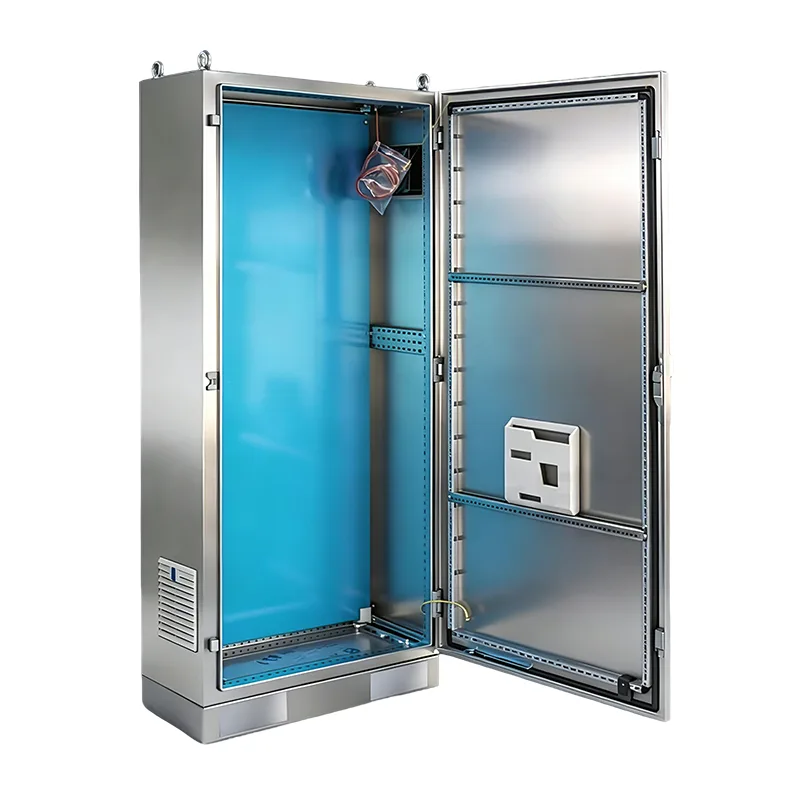
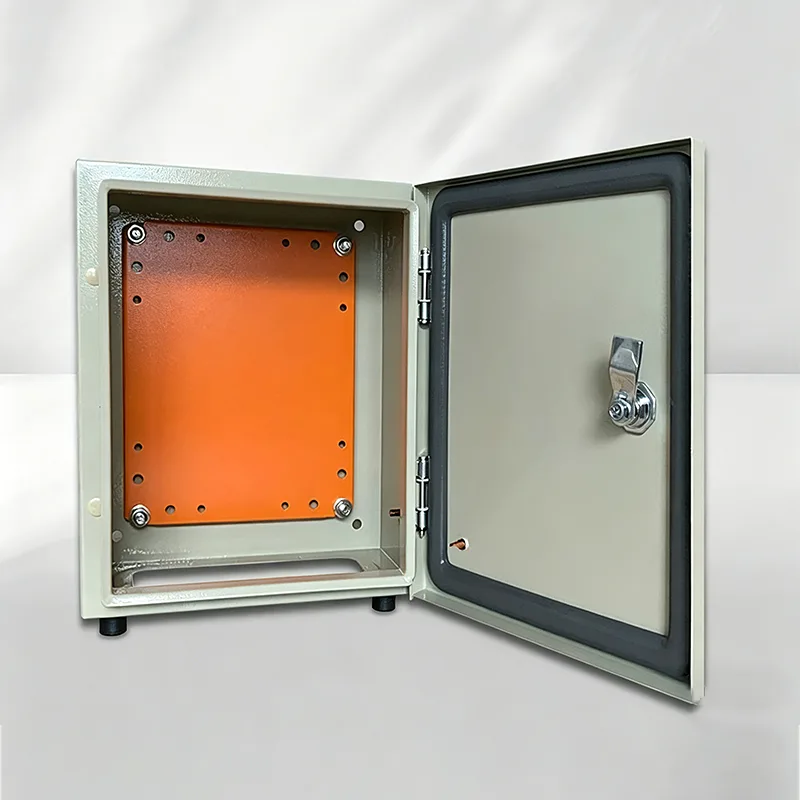
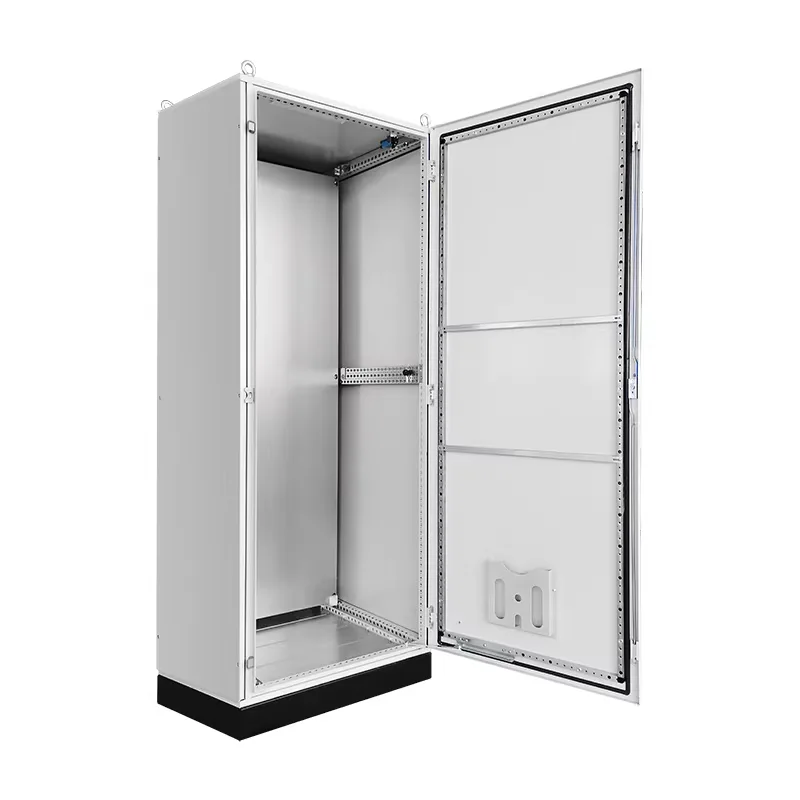
In addition to various types of distribution box enclosures, Shangming also offers floor-standing power distribution cabinet enclosures—a key component of our high-quality product lineup. Choose us as your long-term supplier to benefit from one-stop customized solutions and direct-from-factory pricing.
Key Features
High Load-Bearing Capacity: For our floor-standing power distribution cabinet enclosures, we typically utilize cold-rolled steel plates with a thickness of 2.0mm or greater, which are either welded or assembled to form the structure. This robust construction enables the cabinet to securely support heavy frame-type circuit breakers, large-cross-section copper busbars, and transformer cables.
Modular Design: The interior features a modular hole pattern system, allowing for the flexible adjustment of crossbeams and mounting plates to suit specific requirements. This design facilitates convenient upgrades and expansions whenever necessary.
Ventilation and Heat Dissipation: Given the high current levels typically present within the cabinet, the enclosure is equipped with exhaust vents at the top and air intake vents at the bottom to ensure effective airflow. Additionally, customers may request a custom configuration to integrate a forced-air cooling system into the product.
Common Cabinet Classifications
Based on their structural form, floor-standing cabinets are primarily divided into two major categories:
1. Fixed Type
Characteristics: Internal components are rigidly mounted via support brackets; once wired, they cannot be moved.
Applications: Features a simple structure and low cost; typically used in settings where requirements for continuous power supply are not extremely stringent.
Representative Model: GGD-type AC Low-Voltage Power Distribution Cabinet.
2. Draw-out Type / Removable Type
Characteristics: Each individual circuit is housed within a separate, independent drawer unit.
Applications: Extremely convenient for maintenance. If a specific circuit fails, the corresponding drawer can simply be pulled out and replaced with a new one, without the need to cut off the main power supply.
Representative Models: GCK, GCS, and MNS-type Advanced Power Distribution Cabinets.
Floor-standing vs. Wall-mounted Distribution Boxes: What Is the Difference?
|
|
Floor-Standing |
Wall-Mounted |
|
Capacity |
Large (≥630A) |
Small (≤250A) |
|
Installation Method |
Floor-mounted |
Wall-mounted expansion bolts |
|
Maintenance Space |
Front and rear operable |
Front operation only |
|
Cost |
High |
Low |
|
Applicable Scenarios |
Main Power Distribution, High Load |
Branch circuits, final distribution |
Product Selection and Configuration Recommendations
Based on your specific project requirements, during the pre-sales phase, Shangming will recommend the most suitable configuration for you. Generally speaking, the application scenarios we most frequently support are listed below, accompanied by corresponding configuration recommendations.
1. Industrial Main Power Distribution
Recommended Configuration:
Cabinet Dimensions: 1800–2200mm (H) × 600–1000mm (W) × 600–1000mm (D)
Material: Cold-rolled steel sheet (≥1.5mm)
Protection Rating: IP30 / IP40
Structure: Single cabinet or coupled cabinets (modular/splittable)
Interior: Designed for installation of ACB / MCCB + Busbar System
2. High-Current / Main Incoming Line Systems
Recommended Configuration:
Width: ≥800mm
Depth: ≥800mm
Structure: Double-door or multi-door design
Interior Space: Supports high-current copper busbars; includes reserved space for top or bottom cable entry.
3. Automation Control / PLC Control Cabinets
Recommended Configuration:
Dimensions: 1600–2000mm (H)
Material: Powder-coated steel sheet / Stainless steel
Protection Rating: IP40 / IP54
Interior: Mounting plate + DIN rails
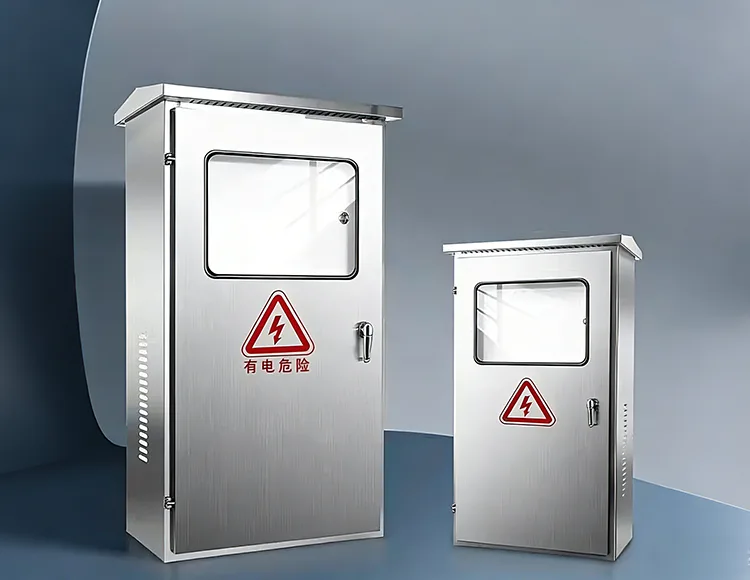
4. Outdoor Applications
Recommended Configuration:
Protection Rating: IP54 / IP65
Material: Stainless steel (304/316) or outdoor-grade powder-coated steel
Features: Rainproof canopy + Sealing strips + Anti-condensation design
5. Highly Corrosive Environments
Recommended Configuration:
Material: 304 / 316 Stainless steel
Protection Rating: IP55+
Surface Treatment: Anti-corrosion coating
How to Perform Routine Maintenance on a Floor-Standing Power Distribution Cabinet Enclosure?
1. Cleaning and Dust Removal
Use a dry non-woven cloth and a vacuum cleaner to remove accumulated dust from inside the cabinet; the use of wet cloths or direct blasts of compressed air is strictly prohibited.
Pay particular attention to cleaning the busbars, insulators, circuit breaker arc chutes, and ventilation channels.
2. Tightening of Electrical Connections
Inspect all bolted connection points for looseness; use a torque wrench to re-tighten them to the specified torque values.
If signs of oxidation or arcing damage are detected, the terminals must be polished or replaced.
3. Component Functional Testing
Circuit Breakers: Verify that manual opening and closing operations are smooth and that the tripping mechanism is responsive.
Contactors/Relays: Inspect the condition of the contacts for wear and verify that the coil resistance is within the normal range.
Capacitors: Check for signs of capacitance degradation, bulging, or electrolyte leakage.
SPDs (Surge Protection Devices): Verify that the status indicator window is green and that the degradation indicator has not been triggered.
4. Insulation Performance Testing
Use a 500V or 1000V megohmmeter to measure and confirm the following:
Phase-to-phase insulation resistance: ≥ 1 MΩ;
Phase-to-ground insulation resistance: ≥ 1 MΩ;
If the measured values fall below these standards, investigate for potential causes such as moisture ingress or contamination.
5. Mechanical Structure Maintenance
Inspect the guide rails and interlocking mechanisms of drawer-type units to ensure they are not sticking or binding. Lubricate moving parts using grease specifically designed for electrical equipment.
Periodically verify the functionality of the "Five-Prevention" (interlocking) safety mechanisms.
- View as
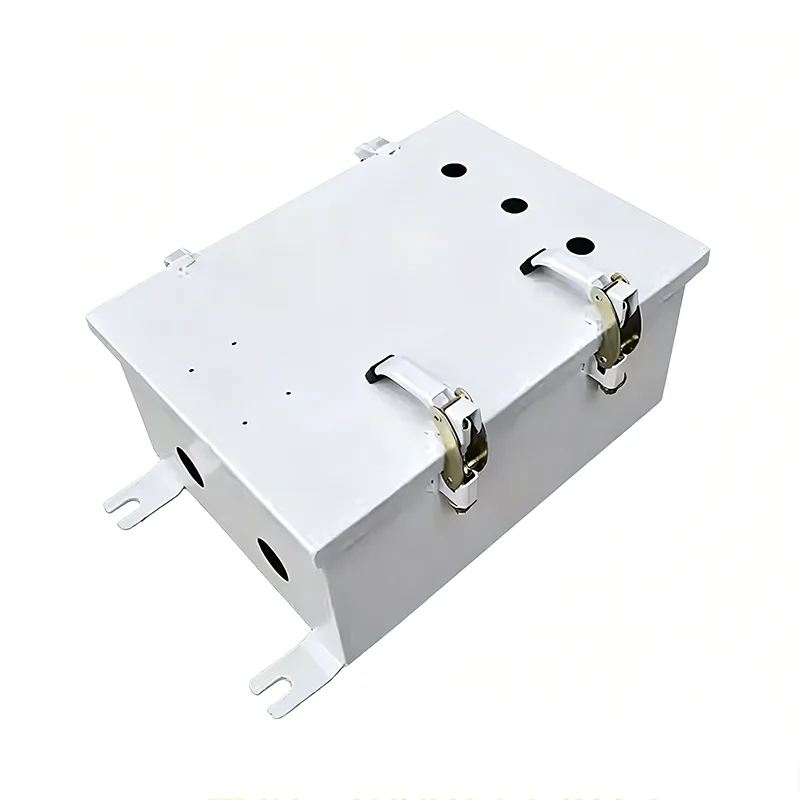
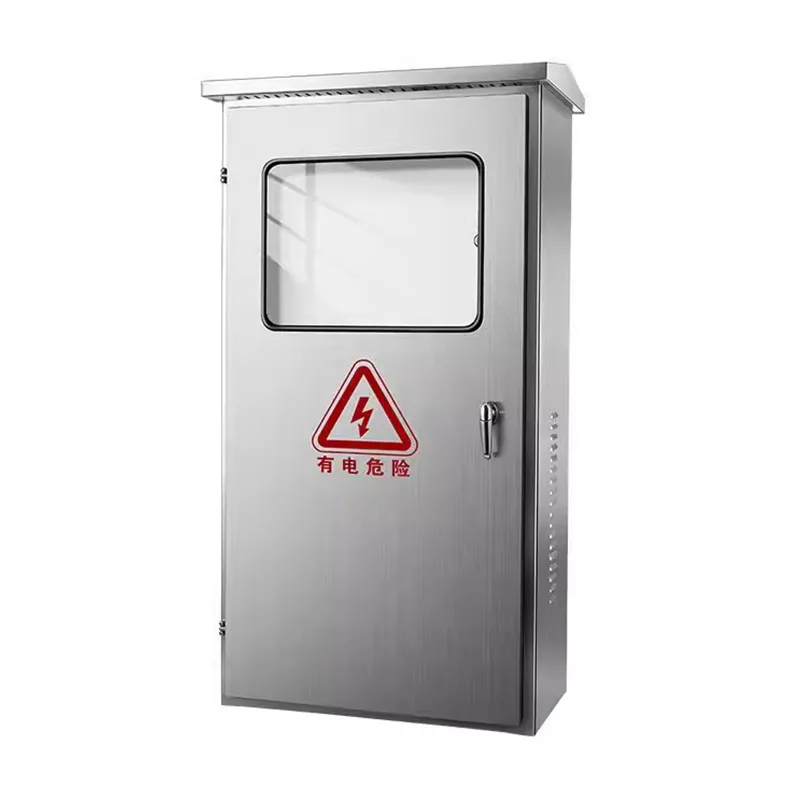
Marine Grade Stainless Steel Power Distribution Cabinet Enclosure
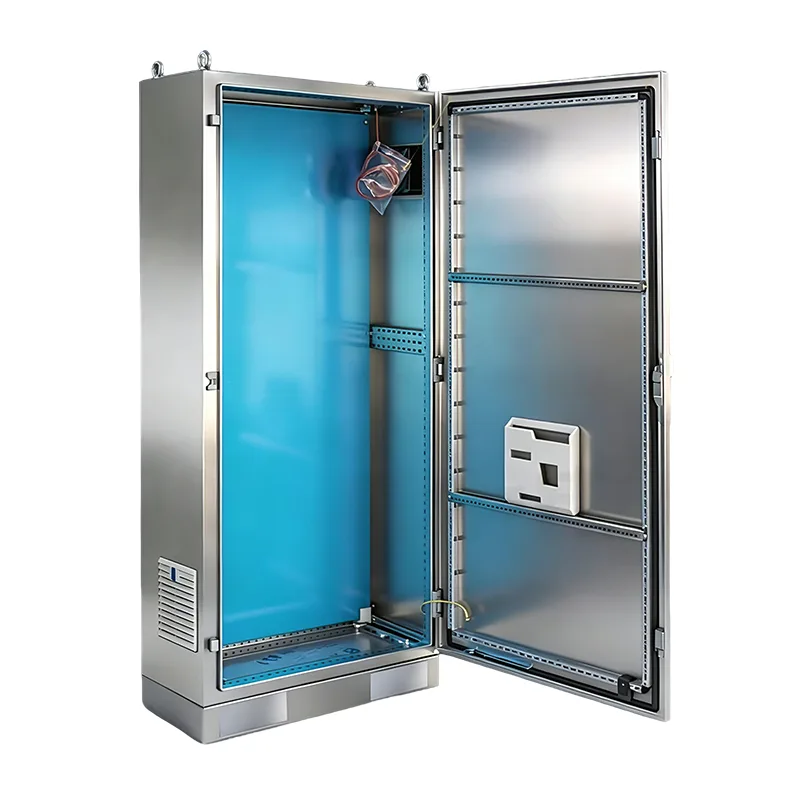
Shangming is a China manufacturer and supplier of switchboards. Our products include Marine Grade Stainless Steel Power Distribution Cabinet Enclosures designed for marine and highly corrosive environments. We select high-quality stainless steel materials, which are highly resistant to chloride ion corrosion and can maintain stable performance in high-salt spray environments near the sea.
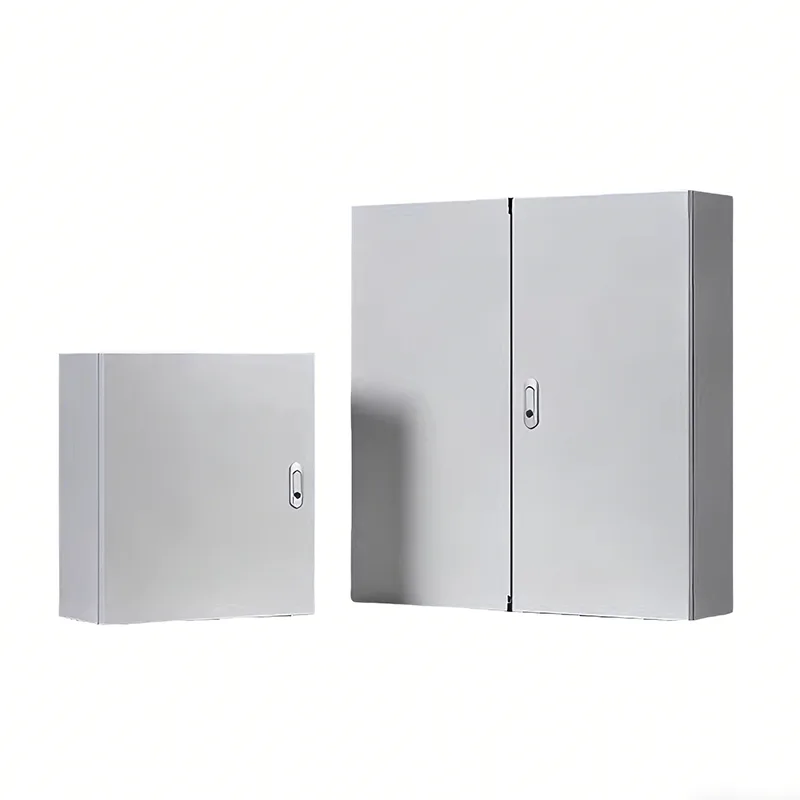
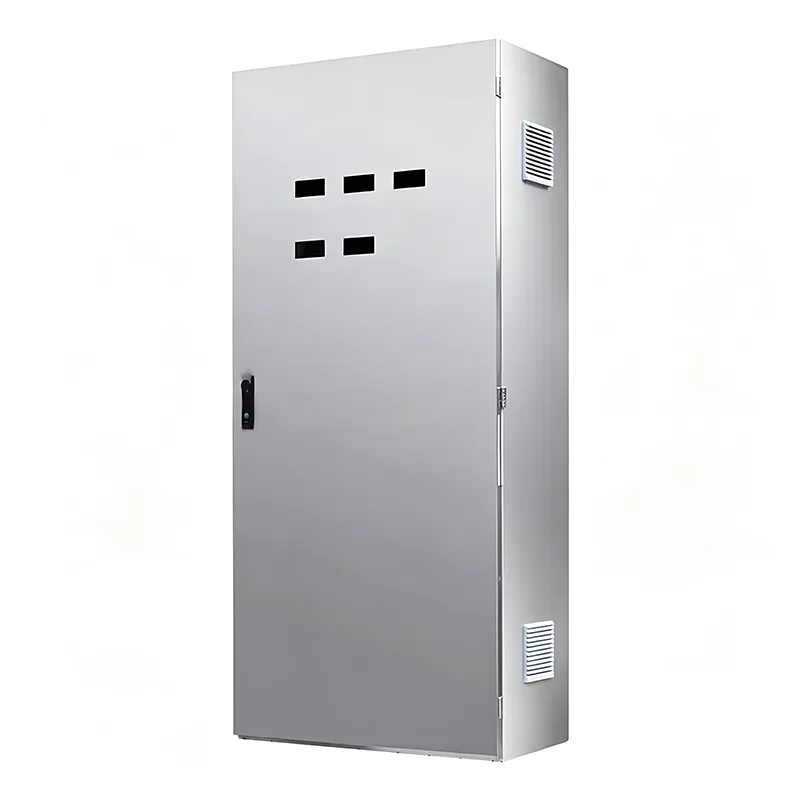
Double Door Floor-Standing Power Distribution Cabinet Enclosure
If you're looking to customize a Double Door Floor-Standing Power Distribution Cabinet Enclosure, choose Shangming as your manufacturer and establish a long-term partnership. Get a factory quote today! We provide reliable protection for projects with numerous circuits and large equipment sizes, offering simple operation and maintenance.
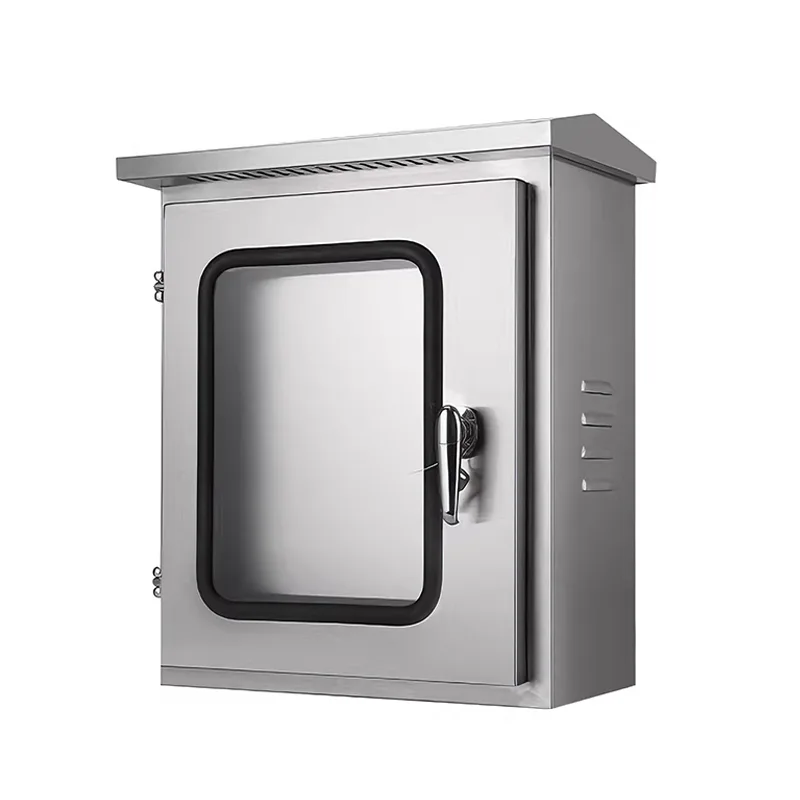
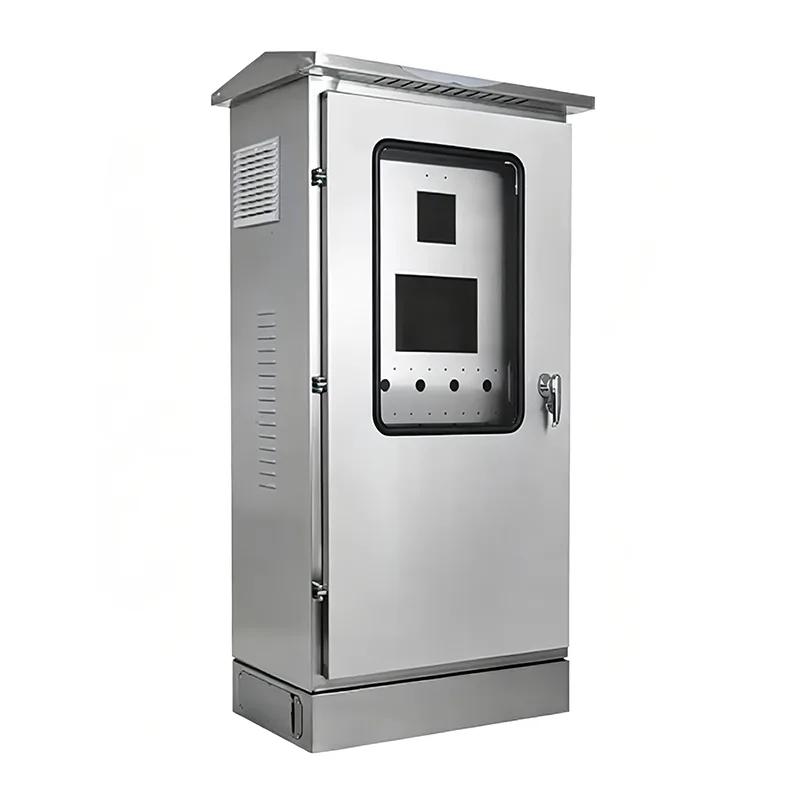
Anti Corrosion Outdoor Power Cabinet Enclosure
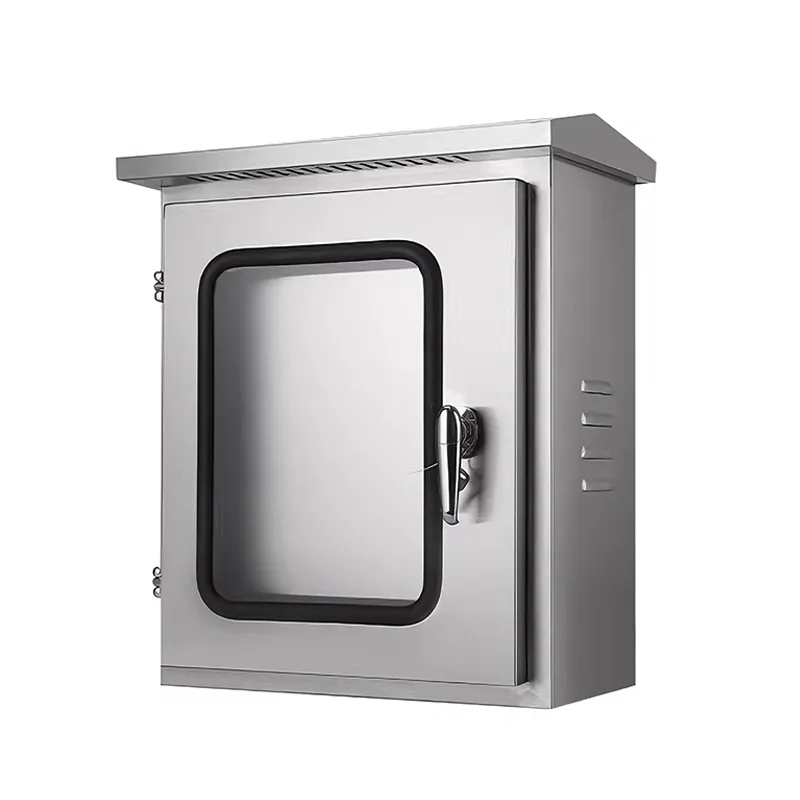
Our Anti Corrosion Outdoor Power Cabinet Enclosures are designed by Shangming, a professional factory, for harsh outdoor environments. They are designed to withstand corrosion, aging, and environmental erosion, providing long-term protection for internal electrical equipment. We offer customized solutions, allowing you to choose from materials and protection levels, with a corrosion resistance rating of ≥800 hours after salt spray testing.
Stainless Steel Distribution Cabinet
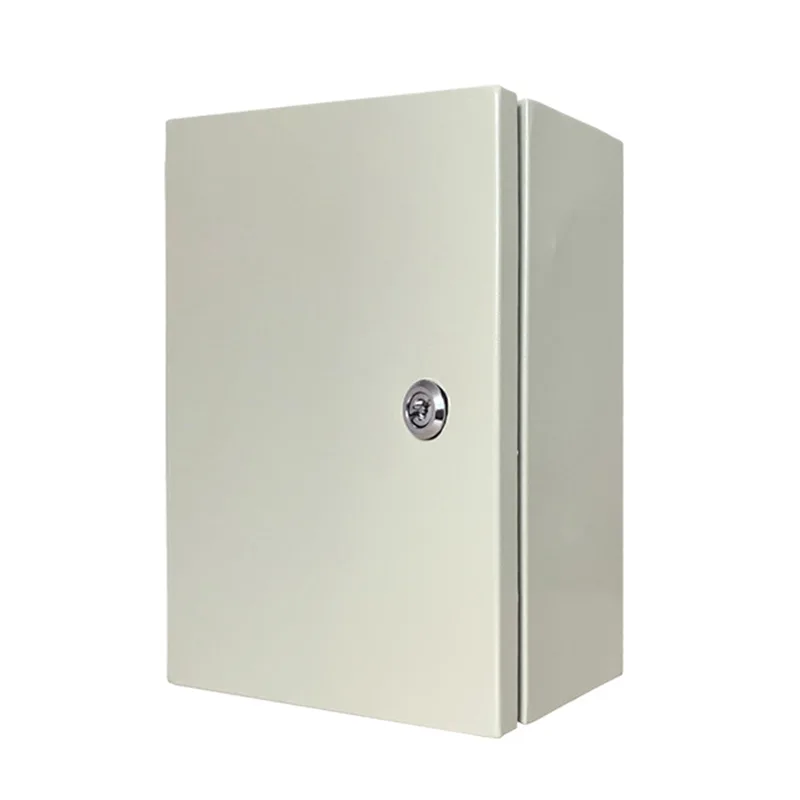
Shangming's factory selects high-quality 304 stainless steel to manufacture stainless steel distribution cabinets. These cabinets offer reliable corrosion resistance, rust prevention, and weather resistance, making them suitable for outdoor use, humid, coastal, and highly corrosive environments. With a protection rating of IP54 and above, customization is supported. Contact us to begin your project.
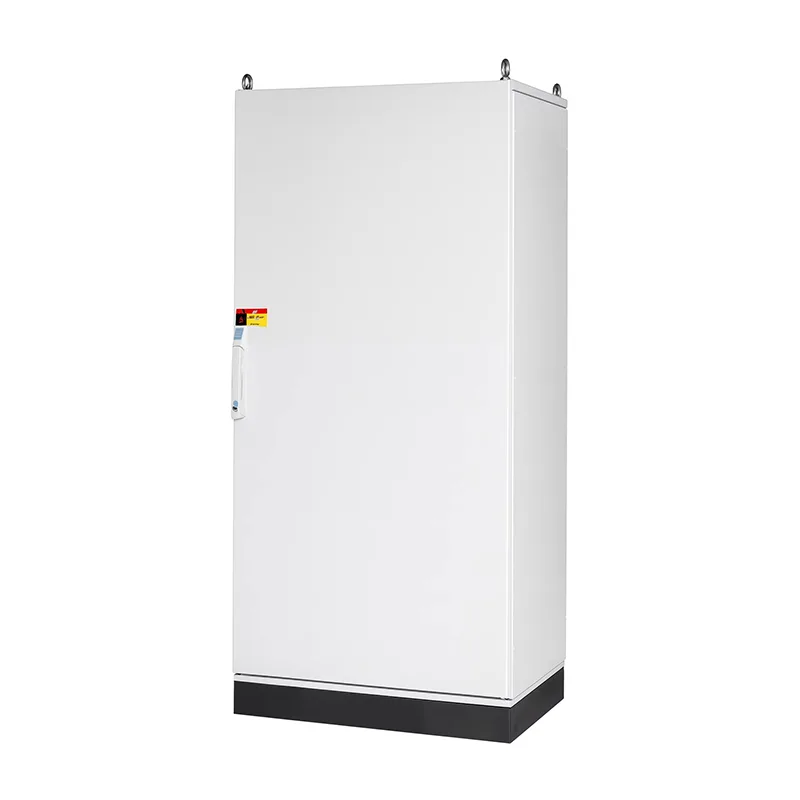
PS Nine-Fold Profile Power Distribution Cabinet
Unlike the ES cabinet, which is welded as a single piece, the PS Nine-Fold Profile Power Distribution Cabinet has detachable side and back panels. Shangming is the manufacturer and supplier of this product. Our strict production control ensures a high-strength, high-precision frame structure, reliable load-bearing capacity, excellent heat dissipation, and flexible modular expansion in its functionality.
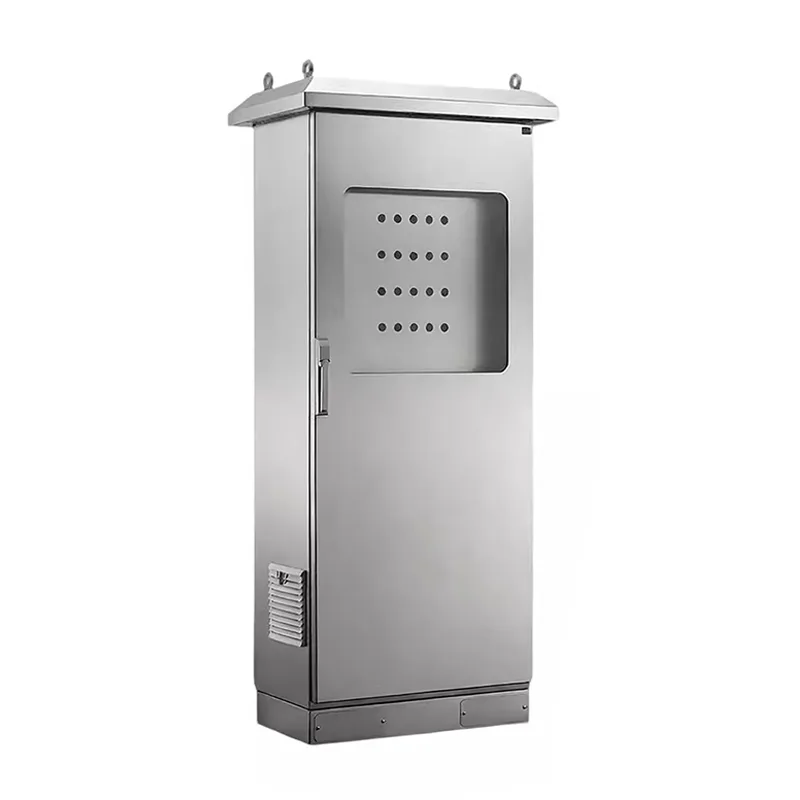
ES Five-Fold Profile Power Distribution Cabinet
Shangming, from Yueqing, Wenzhou, China, is a professional manufacturer of ES Five-Fold Profile Power Distribution Cabinets. We choose high-strength cold-rolled steel plates and process them into this product through five continuous bending processes. The door panel is high off the ground, making installation and maintenance convenient. We also offer different specifications and sizes for you to choose from, and welcome custom designs based on your drawings.
As a reliable Floor-Standing Power Distribution Cabinet Enclosure manufacturer and supplier in China, we have our factory. If you want to buy quality and durable products, please contact us.